
Desserts
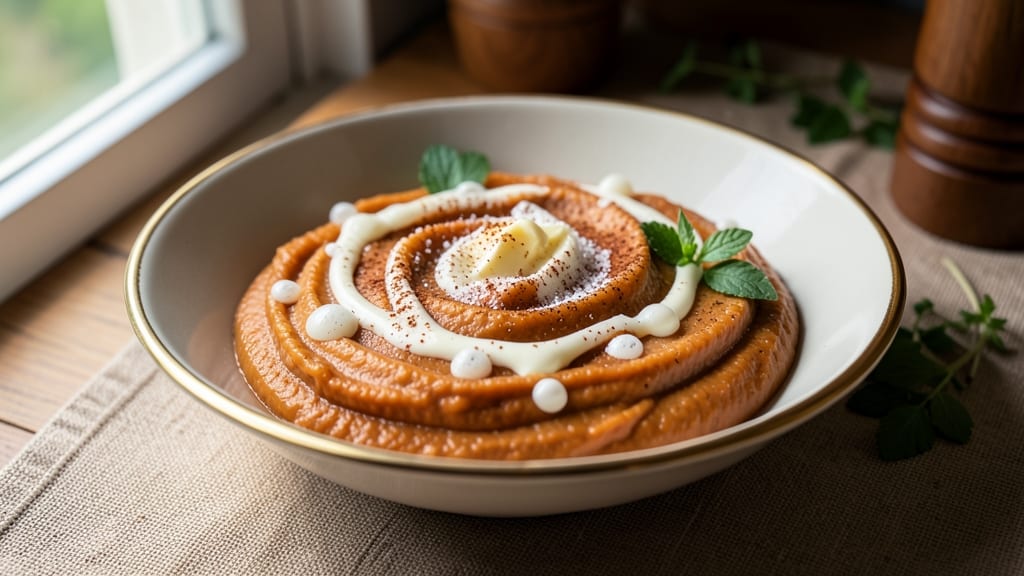
Sweet potato puree recipe ideas transform ordinary desserts into showstoppers and elevate savory dishes with its velvety texture and natural sweetness. 🍠 I developed these recipes after discovering how versatile this ingredient is—whether swirled into cakes, folded into soups, or used as a base for modern twists on classic flavors.
The key lies in achieving the perfect consistency: silky smooth yet rich enough to stand alone.
What makes sweet potato puree so special is its ability to adapt to any dish while adding depth. Roast sweet potatoes until tender, then blend with a splash of milk or cream to create a puree that's ideal for both sweet and savory applications.
The natural sugars caramelize beautifully when baked, while the earthy notes add complexity to both desserts and mains.
For desserts, try folding puree into spiced cakes or using it as a glaze for pastries—it adds moisture without overpowering other flavors. In savory dishes, swirl it into mashed potatoes or use it as a rich base for soups and dips.
The possibilities are endless, and the results are consistently impressive with minimal effort.
This puree works as a versatile canvas for creativity, whether you're making a decadent cheesecake or a hearty bisque. Let's explore how to make it and the delicious ways to use it!
Ingredients for sweet potato puree recipe ideas
Sweet potatoes, creamy dairy, and warm spices—this puree is your blank canvas for desserts and savory dishes alike.
| Ingredient | Amount | Notes |
|---|---|---|
| Sweet Potatoes 🍠 | 2 lbs | Medium-sized, peeled and cubed |
| Unsalted Butter 🧈 | ½ cup | Cold, cubed for roasting |
| Heavy Cream 🥛 | ½ cup | Full-fat for richness |
| Whole Milk 🥛 | ¼ cup | For silky texture |
| Granulated Sugar 🍚 | 2 tbsp | Balances earthy sweetness |
| Ground Cinnamon 🌿 | 1 tsp | Warm spice profile |
| Ground Nutmeg 🌿 | ¼ tsp | Freshly grated preferred |
| Salt 🧂 | ½ tsp | Diamond Crystal preferred |
| Fresh Ginger 🌿 | 1 tbsp | Finely grated, aromatic |
| Vanilla Extract 🍯 | 1 tsp | Pure alcohol-free if preferred |
| Olive Oil 🫒 | 2 tbsp | For roasting and blending |
| Fresh Orange Juice 🍊 | ¼ cup | Brightens flavor profile |
The sweet potatoes are the star here. Orange-fleshed varieties like Jewel or Beauregard work best—they're naturally sweeter and creamier. Roast them until fork-tender (about 45 minutes at 400°F), then blend with butter, cream, and milk for that velvety texture. I always grab organic sweet potatoes from Whole Foods when I can—they hold up better to roasting and have fewer blemishes. If you're short on time, microwave the cubed potatoes for 10 minutes first to speed up the roasting process. Look for potatoes that feel heavy for their size, with smooth, unblemished skin—those are your winners.
No heavy cream? Full-fat coconut milk works in a pinch, though the flavor will lean tropical. Skip the vanilla? A pinch of orange zest adds brightness. Fresh ginger losing its kick? Ground ginger at half the amount gets you close. The orange juice can be bottled, but freshly squeezed has more zing. If you're making this for savory applications, reduce the cinnamon to ½ teaspoon and add a pinch of smoked paprika instead. For extra richness in desserts, fold in 2 tablespoons of nut butter after blending. And if you're prepping ahead, make a double batch—the extra keeps beautifully in the fridge for up to 5 days.
This puree is magic for make-ahead baking. Portion it into ice cube trays, freeze, then pop out as needed for cakes, muffins, or swirls into cheesecake batter. In the fridge, it thickens slightly—just whisk in a splash of milk to loosen before using. For savory dishes, fold in a splash of vegetable broth instead of milk to keep it neutral. The puree keeps for 5 days in the fridge or 3 months frozen. Pro tip: If you're using it in a baked good, reduce any other liquids in the recipe by ¼ cup to account for the moisture from the puree. It's that versatile!
Why You'll Love This Recipe
- No-Fuss Roast: The sweet potatoes just need a quick bake—peel, cube, and toss with a pinch of salt. While they roast, I blend in the warm butter and cream while still piping hot, and boom—silky perfection with zero fuss.
- Creamy Luxury: That velvety blend of heavy cream and milk? It turns ordinary sweet potatoes into something restaurant-worthy. Honestly, the sugar just takes it from "good" to "I’d pay extra for this" without even tasting overly sweet.
- Weeknight Magic: Stash it in jars for mashed potato swaps, breakfast hash toppings, or even ice cream mix-ins. I’ve used it to doctor up bland casseroles or drizzled it over toast—it’s the ultimate flavor multiplier when I’m short on time.
- Budget Buster: Sweet potatoes stretch my grocery budget way further than potatoes, and the butter/cream combo feels indulgent without breaking the bank. Plus, leftovers reheat like a dream—no graininess, no sad texture.
Step-by-step instructions for sweet potato puree
Here's how to transform humble sweet potatoes into a velvety puree perfect for both sweet and savory dishes.
🔥 Step 1: Roast the Sweet Potatoes for Deep Flavor
Preheat your oven to 400°F and line a baking sheet with parchment paper. Toss the 2 lbs sweet potatoes (peeled and cubed) with 2 tbsp olive oil and 0.5 tsp salt until evenly coated. Spread them in a single layer—this ensures even roasting and crispy edges.
Roast for 25-30 minutes until the sweet potatoes are tender when pierced with a fork and the edges are golden brown. I like to flip them halfway through for even browning. The roasting caramelizes the natural sugars, giving your puree a deeper, more complex flavor than boiling would achieve.
👨🍳 Step 2: Steam for Silky Smoothness
Transfer the roasted sweet potatoes to a large pot and add 0.25 cup whole milk and 0.25 cup fresh orange juice. Bring to a gentle simmer over medium heat, then cover and let steam for 5-7 minutes. This steaming step breaks down the fibers even further, ensuring your puree will be ultra-smooth.
Here's the thing—steaming with liquid prevents the puree from becoming dry. You'll know it's ready when the sweet potatoes collapse easily under gentle pressure from a fork. If you skip this step, you might end up with a slightly grainy texture, no matter how much you blend later.
🍳 Step 3: Blend Until Velvety
Let the sweet potatoes cool slightly (about 5 minutes), then transfer them to a food processor or blender. Add 0.5 cup heavy cream, 0.5 cup unsalted butter, 2 tbsp granulated sugar, 1 tsp vanilla extract, 1 tbsp fresh ginger, 1 tsp ground cinnamon, and 0.25 tsp ground nutmeg.
Blend in stages—first on low to incorporate all ingredients, then gradually increase to high speed for 1-2 minutes until completely smooth. Scrape down the sides as needed. The butter and cream create that luxurious, velvety texture we're after, while the spices add warmth and depth. If it's too thick, add more milk 1 tablespoon at a time until it reaches a spoonable consistency.
⏰ Step 4: Adjust and Store Properly
Taste your puree and adjust seasoning if needed. You might want to add a pinch more salt or sugar to balance the flavors. For a brighter finish, stir in an extra 1 tablespoon of fresh orange juice. The puree should be sweet enough to complement both sweet and savory dishes without overpowering them.
Transfer to a clean jar or airtight container and let it cool to room temperature. It will thicken as it cools, so don't worry if it looks too thin immediately. Store in the refrigerator for up to 5 days or freeze for up to 3 months. When reheating, warm gently over low heat or in the microwave, stirring frequently to prevent skin formation. This puree is incredibly versatile—use it in cakes, swirl it into soups, or spread it on toast with a sprinkle of cinnamon.
Pro Tips For Making Sweet Potato Puree Recipe Ideas
- PEEL AFTER COOKING: Sweet potatoes are stubborn—peeling them raw makes them oxidize fast and turn that puree an unappetizing gray. Roast or boil them whole first, then slip off the skin with a paring knife while still warm. The flesh stays vibrant, and you’ll save 10 minutes of scrubbing.
- ROAST FIRST, MASH SECOND: Boiling sweet potatoes for puree always leaves you with waterlogged, gluey results. Roast them at 400°F (200°C) for 45–50 minutes until fork-tender—no peeling needed. The concentrated sweetness and dry texture make blending a breeze, and the flavor’s deeper than boiled.
- SALT THE MILK: Skipping salt in the milk and cream is a rookie move. Add a pinch of fine sea salt (about ¼ tsp per cup) to the dairy before whisking it into the puree. It balances the sweetness and rounds out the richness—trust me, your taste buds will notice the difference.
- DON’T OVERMIX THE BUTTER: Once you fold in the butter, stop stirring the second it melts into the puree. Overworking it turns the texture into a sad, greasy paste. A few gentle swirls with a rubber spatula are all it takes—just enough to coat, not emulsify. The result? Silky, not soupy.
Pro cooking tips for perfect results
Roast for Depth
Roasting sweet potatoes at 400°F caramelizes their natural sugars, creating a richer base for your puree. I always toss them in 2 tbsp olive oil and ½ tsp salt before roasting for 25-30 minutes.
This step is non-negotiable—it transforms bland potatoes into flavor bombs. For extra crispy edges, flip them halfway through. 🍠
Steam for Smoothness
After roasting, steam the potatoes with ¼ cup milk and ¼ cup orange juice for 5-7 minutes. This breaks down fibers further, ensuring a silky texture. Skip this, and you risk a grainy puree no matter how long you blend.
I use a heavy pot to prevent scorching—always a good rule for delicate purees.
Blend in Stages
Cool the potatoes slightly before blending to prevent splattering. Start with ½ cup heavy cream and ½ cup butter—these create that luxurious texture. Add spices gradually: 1 tsp cinnamon, ¼ tsp nutmeg, and 1 tbsp fresh ginger.
Blend on high for 1-2 minutes, scraping down sides as needed. If too thick, add milk 1 tbsp at a time.
Adjust for Balance
Taste your puree and tweak seasoning. I often add 1 tbsp extra orange juice for brightness or a pinch of salt. The goal is a sweetness that complements—not overpowers—other flavors. For savory dishes, reduce cinnamon to ½ tsp and add ¼ tsp smoked paprika instead.
Storage Secrets
Store puree in airtight containers—it thickens as it cools, so don’t worry if it looks thin initially. Refrigerate for 5 days or freeze for 3 months.
For make-ahead baking, freeze in ice cube trays, then pop out as needed. Reheat gently over low heat or microwave in 30-second bursts, stirring between each.
Pro Tools
Use a high-powered blender like the Ninja BN601 for ultra-smooth results. For roasting, a rimmed baking sheet prevents spills. A digital thermometer ensures sweet potatoes reach 200°F internal temp—perfect for pureeing. These tools cut prep time and elevate quality. 💡
Nutrition facts
Frequently asked questions
Can I use sweet potato puree in savory dishes?
This versatile puree works beautifully in savory recipes too. For soups, fold in 1 cup puree per 4 cups broth and season with ½ tsp smoked paprika and a pinch of cayenne. Try it in mashed potatoes by mixing ½ cup puree into every 2 cups mashed potatoes for extra creaminess. The key is balancing the sweetness with savory spices.
How do I adjust the sweetness for different recipes?
For desserts, the puree is already perfectly sweetened, but you can reduce the sugar by 1 tbsp if using very ripe sweet potatoes. For savory dishes, add ½ tsp salt and ¼ tsp smoked paprika to balance the natural sweetness. Always taste before finalizing—you can adjust with a splash of milk or extra spices as needed.
Can I make this puree without a blender?
Yes! If you don't have a blender, mash the roasted sweet potatoes with a potato masher first, then use a food mill or ricer to achieve a smoother texture. For extra creaminess, strain through a fine-mesh sieve after mashing. The result won't be as velvety, but it'll still work well for most recipes where texture isn't critical.
What's the best way to reheat leftover puree?
Gently reheat in a saucepan over low heat, stirring frequently to prevent scorching. For microwave reheating, use 30-second intervals, stirring between each, until warmed through. Add a splash of milk if the puree thickens too much during reheating. Never microwave without stirring—it can create hot spots and separate the texture.
Can I substitute regular potatoes for sweet potatoes?
Not recommended! Sweet potatoes have a completely different flavor profile and texture. Regular potatoes will make your puree taste starchy and bland. The natural sweetness and moisture content of sweet potatoes are essential for achieving that velvety, flavorful base. If you're out of sweet potatoes, consider using butternut squash puree as an alternative.