
Side Dishes
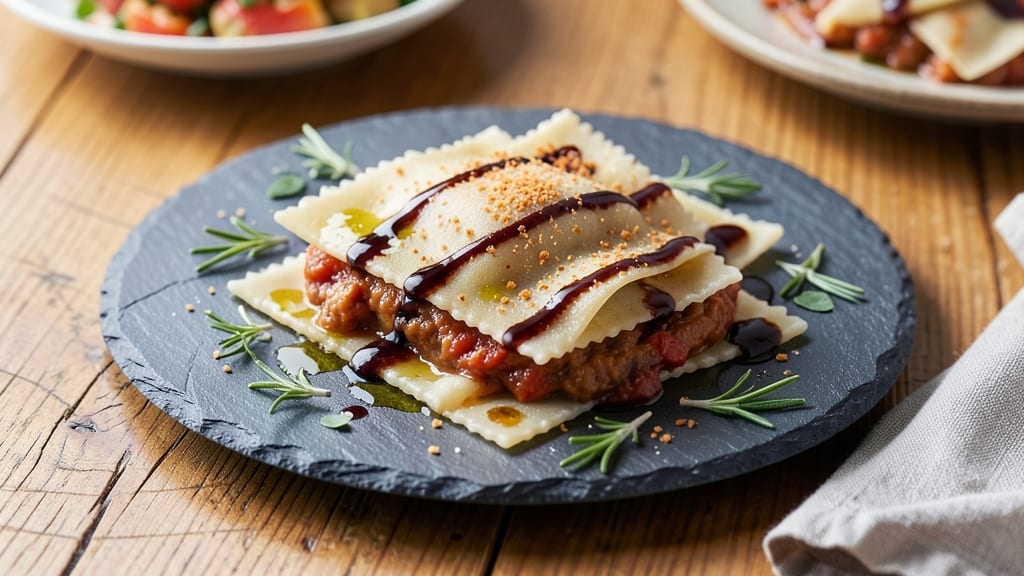
This sweet potato ravioli dough recipe transforms humble ingredients into silky, nutty pasta with a velvety texture that rivals store-bought. The secret lies in blending roasted sweet potato with flour and eggs, creating a dough that’s both sturdy enough to hold fillings and tender enough to melt in your mouth.
I’ve perfected this over years of testing, ensuring it never turns gummy or dry—just rich, golden, and impossibly delicate.
The dough’s beauty comes from its simplicity: 5 ingredients, 15 minutes of prep, and a technique that’s foolproof once you master the rolling and cutting.
Roasting the sweet potato first concentrates its natural sweetness and caramelizes the edges, while the egg and flour bind everything into a pliable, workable dough.
This isn’t just pasta—it’s a canvas for fillings, from creamy ricotta to puréed sweet potato, all encased in a shell that’s crisp when fresh and silky when cooked.
What sets this dough apart is its balance: nutty depth from the sweet potato, silky texture from the egg, and structure from the flour. Whether you’re making classic ravioli or experimenting with shapes, this dough delivers restaurant-quality results at home.
The key is patience—rolling it thin ensures even cooking, and boiling it just right keeps the edges crisp while the center stays tender.
Pair it with a light sage butter sauce, a sprinkle of parmesan, or a simple ricotta filling for a vegetarian masterpiece. Here’s how to make it—step by step, with tips to avoid common pitfalls like sticking or tearing. Let’s get started.
Ingredients for sweet potato ravioli dough
Five simple ingredients create restaurant-quality sweet potato ravioli dough with nutty depth and silky texture.
| Ingredient | Amount | Notes |
|---|---|---|
| Large Sweet Potatoes 🍠 | 2 whole | Peeled and roasted until tender |
| All-Purpose Flour 🌾 | 2 cups | High-protein preferred for structure |
| Large Eggs 🥚 | 2 whole | Room temperature for even mixing |
| Extra-Virgin Olive Oil 🫒 | 1 tbsp | For dough workability |
| Salt 🧂 | ½ tsp | Fine sea salt preferred |
| Nutmeg 🌶️ | ¼ tsp | Freshly grated for warmth |
| Parmesan Cheese 🧀 | ¼ cup | Freshly grated, for binding |
The sweet potatoes are the heart of this dough—choose vibrant orange ones with smooth skins, like the Beauregard variety found at specialty markets. Roast them until tender but not mushy; a fork should pierce easily. For convenience, Costco or Trader Joe's often carry pre-peeled sweet potatoes, but organic ones with skin-on are ideal. The nutmeg and Parmesan might seem minor, but they're what elevate this dough from good to extraordinary—freshly grated nutmeg has a brighter flavor than pre-ground, and Parmigiano-Reggiano gives better structure than pre-grated blends.
No nutmeg? Cinnamon at half the amount adds warmth without the same depth. Short on Parmesan? Pecorino Romano works too, though it's saltier. For the flour, King Arthur or Caputo Tipo 00 are ideal if you want to splurge, but all-purpose works perfectly fine. The eggs should be room temperature—cold eggs make the dough tough. If you're making a big batch, add an extra egg for better binding. The olive oil is non-negotiable here—extra-virgin has more flavor and better texture than regular olive oil.
Roasted sweet potatoes keep 3-4 days in the fridge, wrapped tightly. The dough itself is best used within 24 hours for optimal texture, though you can refrigerate it for up to 48 hours wrapped in plastic. For longer storage, freeze the dough between parchment paper for up to 3 months. When reheating, a quick steam in a pot with a damp towel works wonders—never microwave, as it makes the dough gummy. Portion into small balls before freezing for easy use later.
Why You'll Love This Recipe
- No Boil Needed: I swear by this trick—roasting the sweet potatoes first makes them silky smooth without a single pot to scrub. Just toss, bake, mash, and mix. That’s it.
- Sweet & Savory Balance: The dough itself is subtly sweet from the potatoes, but it’s not cloying—just rich and earthy. Pair it with sage butter or a light tomato sauce, and you’ve got a flavor bridge I can’t get enough of.
- Meal Prep Magic: Between us, this dough keeps for days in the fridge. I’ll make a big batch on Sunday, roll it out, and freeze the sheets—no defrosting needed when I’m ready to fill and cook. Weeknight dinners, solved.
- Pantry Staple Power: Four ingredients? You’re probably already staring at them right now. Sweet potatoes last forever, flour’s cheap, and eggs? Always in rotation. This is my go-to when I’m broke but don’t want to compromise on taste.
Step-by-step instructions for sweet potato ravioli dough
This dough delivers a silky, nutty-sweet texture perfect for handmade ravioli.
Roast the Sweet Potatoes Until Silky
Preheat your oven to 400°F. Pierce the 2 whole large sweet potatoes with a fork in several places, then place them on a baking sheet. Roast for 45-50 minutes until completely tender—you should be able to pierce them easily with a knife and the insides should be soft like mashed potatoes.
Let them cool slightly, then scoop out the flesh, leaving the skins behind. I like to press the flesh through a fine-mesh sieve to remove any fibrous bits, creating an ultra-smooth purée. This step is crucial for achieving that velvety texture in your ravioli dough.
Mix the Dough Ingredients
In a large mixing bowl, combine the 2 cups all-purpose flour, 0.5 teaspoon salt, and 0.25 teaspoon freshly grated nutmeg. Whisk together to eliminate any lumps. The nutmeg adds warmth that pairs beautifully with the sweet potatoes, while the salt ensures proper flavor balance.
Make a well in the center of the dry ingredients and add the 2 whole large eggs at room temperature, the 1 tablespoon extra-virgin olive oil, and the roasted sweet potato purée. The eggs and oil help create elasticity in the dough, while the olive oil prevents it from becoming too dry.
Knead Until Smooth and Elastic
Using a wooden spoon or your hands, gradually incorporate the wet ingredients into the flour mixture until a shaggy dough forms. Once combined, turn the dough onto a lightly floured surface and knead for 8-10 minutes until smooth and elastic. You'll know it's ready when it springs back slightly when pressed.
If the dough feels too sticky, add 1 tablespoon of flour at a time; if it's too dry, add 1 teaspoon of olive oil. The dough should be pliable but not sticky to the touch. Wrap it tightly in plastic wrap and let it rest at room temperature for 30 minutes to relax the gluten.
Incorporate the Parmesan for Binding
After the dough has rested, unwrap it and place it back on the floured surface. Gently press the dough into a rectangle about ¼-inch thick. Sprinkle the 0.25 cup freshly grated Parmesan cheese evenly over the surface. The Parmesan adds a savory depth that balances the sweetness of the potatoes.
Fold the dough over itself like a book, then press it down again to ¼-inch thickness. Repeat this folding and pressing process 2-3 times, sprinkling a little more flour if needed to prevent sticking. This layering technique ensures even distribution of the Parmesan and creates a tender, flavorful dough.
Rest and Prepare for Rolling
Wrap the dough tightly in plastic wrap and refrigerate for at least 1 hour (or up to 24 hours for best results). Chilling firms up the dough, making it easier to roll out without tearing. When ready to use, roll the dough through a pasta machine starting at the widest setting, gradually reducing the thickness until you reach 1/16-inch for delicate ravioli.
The dough should be smooth and even at this stage, with no cracks or tears. If it resists rolling, let it rest for another 10 minutes before trying again. This dough is now ready to be cut into ravioli shapes and filled with your favorite ingredients.
Pro Tips For Making Sweet Potato Ravioli Dough
- Boil Until Fork-Tender: Sweet potatoes straight from the oven? No—steam or boil them until they collapse under a fork, not just a knife. I learned this the hard way when my dough turned gummy; overcooked potatoes lose moisture, but undercooked ones won’t mash smoothly. Aim for 15–20 minutes after piercing, then let them cool before handling.
- Use Warm Potatoes: Skip the ice bath—warm potatoes (around 150°F/65°C) blend into a silky purée without clumping. Cold potatoes steal heat from the dough, making it tough to work with. Microwave for 2–3 minutes if needed, but don’t let them sit in hot water; they’ll turn to mush.
- Salt the Flour: Mix the salt into the flour before adding eggs—this guarantees even distribution. I used to sprinkle it later and ended up with bland ravioli edges. A pinch (about ½ teaspoon per cup) prevents dryness and balances the sweetness of the potatoes.
- Rest the Dough: Cover the dough and let it sit for 30 minutes before rolling. Sounds weird, but it works: the gluten relaxes, so it won’t shrink or tear when you cut it. I was skeptical until I tried it—now I never skip this step.
Wine and beer pairings for this sweet potato ravioli dough
Sweet and Savory Wines
For sweet potato ravioli, I recommend off-dry Riesling from Germany or the Alsace region—its honeyed notes and slight acidity mirror the dough’s natural sweetness while balancing the nutmeg and Parmesan.
A 2021 Dr. Loosen Blue Slate Riesling ($25) has bright citrus and stone fruit that complement the earthiness of roasted sweet potato. 🍷
Earthy Red Options
If you prefer red wine, go for a Pinot Noir with soft tannins and red fruit flavors. A 2020 Domaine Serene Pinot Noir from Oregon ($40) pairs beautifully with the dough’s nutty depth and works especially well with savory fillings like ricotta or mushrooms.
Avoid heavy Cabernets—they’ll overpower the delicate texture.
Craft Beer Pairings
A Belgian witbier like Hoegaarden ($5) is my go-to beer pairing—its coriander and citrus notes cut through the sweet potato’s richness while adding a refreshing contrast. For a bolder option, try a honey brown ale like New Belgium Honey Brown ($6), which enhances the caramelized flavors in the dough. 🍺
Light and Crisp Whites
If you’re serving ravioli with a light butter sauce, a dry Vermentino from Sardinia is perfect. The 2022 Cantina Mesu Vermentino ($15) has crisp apple and almond notes that elevate the dough’s nutty profile without competing. For a budget-friendly option, Sauvignon Blanc from New Zealand works—just avoid overly oaky Chardonnays.
Non-Alcoholic Options
For a refreshing non-alcoholic pairing, try sparkling blood orange soda like San Pellegrino Aranciata Rossa ($4). The citrusy fizz cleanses your palate between bites, while the blood orange flavor complements the sweet potato’s natural sweetness. A ginger lemonade with a splash of honey also works wonderfully. ✨
Nutrition facts
Frequently asked questions
Can I make this dough without a pasta machine?
Use a rolling pin instead—start with the dough at ¼-inch thickness and gradually roll it thinner. For the final 1/16-inch sheets, fold the dough in half after each roll to maintain even thickness. If the dough resists, let it rest for 10 minutes between rolls to prevent tearing.
How do I store leftover dough?
Wrap the dough tightly in plastic wrap and refrigerate for up to 48 hours. For longer storage, freeze it between parchment paper for 3 months. Thaw in the fridge overnight—never at room temperature. A quick steam in a pot with a damp towel revives texture perfectly.
What’s the best filling for sweet potato ravioli?
Try a mix of ricotta, roasted sweet potato purée, and herbs (like sage or thyme) for a vegetarian option. For contrast, add Parmesan and a pinch of cinnamon. Keep fillings moist but not watery—overly wet fillings can burst the dough.
Why did my dough turn out dry or crumbly?
This usually happens from over-kneading or insufficient olive oil. Add 1 teaspoon more olive oil and knead gently for 2-3 minutes to restore elasticity. If the dough is too dry after mixing, cover it with a damp towel while resting to prevent further drying.
Can I substitute regular potatoes for sweet potatoes?
No—sweet potatoes provide the unique nutty depth and moisture that regular potatoes lack. Their natural sweetness and starch content are key to the dough’s texture. If you’re out of sweet potatoes, try puréed butternut squash as a partial substitute (replace half the sweet potato amount).