
Side Dishes
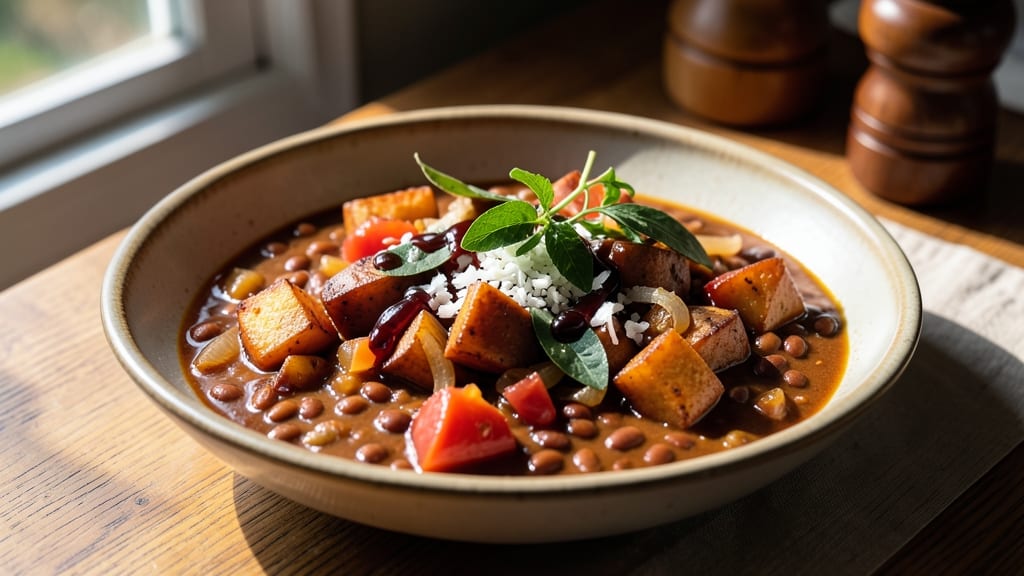
This sweet potato sambar recipe transforms humble ingredients into a fragrant, spiced lentil stew that balances earthy sweetness with tangy depth. The key lies in slow-simmered lentils, tender sweet potatoes, and a tempering of mustard seeds and curry leaves that infuses every spoonful with aromatic complexity.
I've adapted traditional techniques to work in modern kitchens—pressure cooking the lentils for quick preparation while maintaining that restaurant-quality texture.
The beauty of this dish is its versatility—it's hearty enough to stand alone but pairs perfectly with steamed rice or crispy dosas.
What makes it special is the balance of flavors: the natural sweetness of roasted sweet potatoes contrasts beautifully with the tangy tamarind and the earthy spices like coriander and turmeric. The lentils break down just enough to create a thick, satisfying stew without losing their structure.
What you'll end up with is a bowl of sambar that's rich in flavor and nutrition, where each bite delivers layers of spice, tang, and sweetness. The slow cooking process allows all the spices to meld together, creating a depth that's hard to achieve with quick cooking methods.
This recipe is perfect for those looking to explore South Indian cuisine without the complexity.
Serve it hot with rice for a complete meal, or use it as a filling for dosas or idlis. The leftovers actually taste better the next day as the flavors continue to develop.
Let's get started on creating this comforting, flavorful dish that's sure to become a staple in your meal rotation.
Ingredients for sweet potato sambar
Earthy lentils, sweet potatoes, and aromatic spices—this is the core of authentic sambar.
| Ingredient | Amount | Notes |
|---|---|---|
| Red Lentils 🌾 | 1 ½ cups | Rinsed thoroughly before cooking |
| Sweet Potatoes 🍠 | 2 medium | Peeled and cubed evenly |
| Onion 🧅 | 1 whole | Finely chopped for base |
| Tomatoes 🍅 | 2 medium | Chopped or blended for sauce |
| Tamarind Paste 🍯 | 2 tbsp | Adjust for tang preference |
| Curry Leaves 🌿 | ¼ cup | Fresh, lightly crushed |
| Mustard Seeds 🌶️ | 1 tbsp | Lightly toasted first |
| Dried Red Chilies 🔥 | 4 whole | Adjust for heat preference |
| Asafoetida 🌿 | ¼ tsp | Essential for authentic flavor |
| Ginger 🧄 | 1 inch | Fresh, grated finely |
| Turmeric Powder 🌶️ | ½ tsp | Freshly ground preferred |
| Coriander Powder 🌿 | 1 tsp | Toasted for deeper flavor |
| Cumin Seeds 🌶️ | ½ tsp | Toasted lightly before adding |
| Salt 🧂 | 1 ½ tsp | Adjust to taste |
| Coconut Oil 🫒 | ½ cup | For tempering and cooking |
The lentils are the heart of this dish. Red lentils break down beautifully, creating that signature thick texture. Indian grocery stores often carry them pre-washed, but rinse them twice if using store-bought. Sweet potatoes should be firm and vibrant orange—organic varieties from the produce section work best. For tamarind paste, Trader Joe's has a great bottled version, but if you can find fresh tamarind pods, soak and grind them for authentic depth. Curry leaves are non-negotiable—they carry that unmistakable South Indian aroma. Whole Foods usually stocks them fresh in the international aisle.
No tamarind paste? Lemon juice plus 1 tsp sugar mimics the tang. Fresh ginger is ideal, but powdered ginger at half the amount works in a pinch. The mustard seeds and curry leaves are best lightly toasted in coconut oil before adding to the pot—this releases their oils and intensifies the flavor. For heat control, remove chili seeds before adding whole dried chilies. The coconut oil adds richness without overpowering the dish's natural flavors, and it's essential for that traditional tempering step.
This sambar tastes even better the next day as flavors meld. Store in an airtight container in the fridge for up to 5 days. For longer storage, freeze portions for 3 months. I always make a double batch—one for dinner and one to reheat for lunches. The lentils thicken as they cool, so add a splash of water when reheating. Serve with steamed basmati rice or crispy dosas for the full experience.
Why You'll Love This Recipe
- I’ll be real: the first batch disappears fast, but the second? Even better. The flavors meld overnight, and reheating it the next day gives it this cozy, homestyle depth. Pack it for lunch or serve it cold—it’s always a hit.
- Sweet Potato Magic: I swear, the moment those roasted sweet potatoes hit the pot, the whole kitchen smells like a South Indian feast. That natural sweetness caramelizing with the lentils and tamarind? It’s the kind of flavor that makes you pause mid-spoonful.
- One-Pot Wonder: Honestly, this is the kind of recipe where you can set it and forget it—literally. Toss in the onions, tomatoes, and lentils, then let the tamarind and sweet potatoes do their thing while you handle the rest of dinner. Minimal chopping, zero fuss.
- Budget Feast: Between us, this feeds four for under $8 and still leaves you with leftovers. The red lentils bulk it up, the sweet potatoes make it hearty, and the tamarind adds that tangy punch without breaking the bank. My wallet thanks me every time.
Step-by-step instructions for sweet potato sambar
Here's how to craft this hearty, spiced lentil stew with vibrant sweet potatoes and aromatic tempering.
Pressure Cook the Red Lentils and Sweet Potatoes
In a pressure cooker, combine the 1.5 cups red lentils and 2 medium sweet potatoes (cubed evenly) with 6 cups water. Seal the lid and cook on high heat for 4 whistles or until the lentils are tender and sweet potatoes are fork-tender. The lentils should break down slightly but still hold their shape.
I like to check the texture by pressing a lentil between my fingers—it should mash slightly but not dissolve completely. If using a stovetop cooker, allow 10 minutes natural release after pressure drops. The mixture should be soft enough to blend smoothly but still retain some texture.
Build the Base with Onions, Tomatoes, and Spices
In a large pot, heat 0.5 cup coconut oil over medium heat. Add the 1 whole finely chopped onion and sauté for 5 minutes until translucent. Stir in 2 medium chopped tomatoes, 1 inch finely grated ginger, 0.5 tsp turmeric powder, 1 tsp coriander powder, and 0.5 tsp cumin seeds. Cook for 8-10 minutes until the tomatoes soften and the oil separates.
Here's where the flavor develops—you'll see the spices bloom and the tomatoes break down into a rich paste. Add 2 tbsp tamarind paste and 1.5 tsp salt, stirring well to combine. The tamarind will give that signature tangy depth that balances the sweetness of the potatoes.
Combine and Simmer the Sambar
Pour the cooked lentil-sweet potato mixture into the pot with the onion-tomato base. Add 0.25 cup curry leaves and 4 whole dried red chilies (adjust for heat preference). Bring to a gentle boil, then reduce heat to low and simmer uncovered for 15-20 minutes, stirring occasionally. The sambar should thicken slightly as it reduces, but it should remain saucy enough to coat the back of a spoon.
Taste and adjust seasoning—you might need a pinch more salt or tamarind for the perfect balance. The sweet potatoes should be completely tender, and the lentils should be soft with a creamy texture. If it's too thick, add ½ cup water to reach your desired consistency.
Temper with Mustard Seeds and Asafoetida
In a small pan, heat 1 tbsp coconut oil over medium heat. Add 1 tbsp mustard seeds and let them sizzle for 30 seconds until they pop. Add 0.25 tsp asafoetida and 0.25 cup curry leaves, stirring for 1 minute until fragrant. Pour this tempering directly into the sambar pot and mix well.
This final step is what transforms good sambar into exceptional sambar. The mustard seeds add a subtle crunch, while the asafoetida deepens the umami flavor. The curry leaves release their aromatic oils, creating a fragrant finish. Let the sambar sit for 5 minutes off heat to allow all the flavors to meld together.
Serve Hot with Steamed Rice
Ladle the sambar into bowls and serve immediately with steamed basmati rice. The contrast of the fluffy rice with the thick, spiced stew creates the perfect balance. Garnish with a sprinkle of curry leaves and a few dried red chilies for presentation and extra flavor.
Each spoonful should deliver layers of sweetness from the potatoes, earthy lentils, tangy tamarind, and aromatic spices. The texture should be creamy yet slightly rustic from the tempering. This sambar keeps well for 2-3 days in the refrigerator, though it tastes best fresh.
Pro Tips For Making Sweet Potato Sambar
- SOAK THE LENTILS: I learned this the hard way—skipping the soak turns your sambar into a mushy, gluey mess. Give red lentils a 15-minute soak in warm water before cooking. They’ll hold their shape better, and the texture stays firm and satisfying. (Yes, even if you’re impatient like me.)
- PEEL AND CUBE SWEET POTATO: Sweet potatoes soften unevenly, so cut them into 1-inch cubes and parboil for 5 minutes before adding to the sambar. This guarantees they’re tender without turning to mush later—no one wants a watery dish. Use a sharp knife; dull blades crush the flesh, making them cook faster and lose shape.
- TEMPER THE OIL RIGHT: After sautéing onions and tomatoes, let the oil split naturally before adding spices. If you rush and dump everything in at once, your sambar will taste raw and bitter. Wait until you see tiny bubbles forming—this is when the flavors bloom. (Your future self will thank you.)
- USE TAMARIND PASTE SPARINGLY: Tamarind paste is potent—start with 1 teaspoon and adjust to taste. Too much makes the sambar overly sour, drowning out the sweet potatoes’ natural sweetness. Dilute it in warm water first to control the tang, then add gradually. (I skip this when I’m lazy, but the dish is noticeably better when I don’t.)
Best sauces and condiments for this recipe
Coconut Milk Finish
For extra richness, stir in ¼ cup coconut milk at the end of cooking. This adds a velvety texture that complements the sweet potatoes beautifully. I like using full-fat canned coconut milk for the best mouthfeel—just heat it gently before adding.
The coconut milk also helps balance the earthy spices with a subtle sweetness. 🥥
Tamarind Chutney Swirl
Drizzle a spoonful of homemade tamarind chutney over the sambar just before serving. This adds an extra layer of tangy complexity that cuts through the richness.
For a quick version, blend ½ cup tamarind paste, 1 tbsp jaggery, 1 tsp cumin seeds, and 2 tbsp water until smooth. The chutney's acidity makes every bite more vibrant. 🌶️
Yogurt Drizzle
Though traditional sambar is vegan, a light drizzle of unsweetened coconut yogurt adds a cooling contrast. Mix 2 tbsp yogurt with a pinch of salt and a squeeze of lime, then spoon over the hot sambar.
The yogurt's creaminess pairs perfectly with the sweet potatoes' natural sweetness. For a vegan alternative, use cashew cream made from blended soaked cashews. 🥛
Spicy Coconut Chutney
Blend ½ cup coconut, 1 tbsp red chili powder, 1 tsp cumin seeds, and 2 tbsp water for a spicy-sweet topping. This chutney adds both heat and creaminess in one spoonful.
I often make a double batch to use on other South Indian dishes too. The coconut's richness enhances the sambar's depth while the chili powder keeps it exciting. 🔥
Lemon-Lime Zing
A final squeeze of fresh lime juice brightens the flavors and cuts through the richness. Add 1 tbsp lime juice per serving just before eating. The citrus notes refresh the palate after each spoonful of spiced lentils.
For extra zing, add a pinch of black salt (kala namak)—it adds a subtle sulfurous note that's characteristic of many South Indian dishes. 🍋
Cilantro-Garlic Garnish
Finish with a sprinkle of finely chopped cilantro and a pinch of minced garlic for a fresh, aromatic touch. The cilantro's bright flavor contrasts beautifully with the earthy spices. I like to crush the garlic slightly with the flat of my knife to release more flavor.
This garnish adds a pop of color and freshness that makes the sambar look as good as it tastes. 🌿
Nutrition facts
Frequently asked questions
Can I substitute regular potatoes for sweet potatoes in this recipe?
While you can use regular potatoes, sweet potatoes add a natural sweetness and creamier texture that balances the tangy tamarind perfectly. For a similar effect, try orange-fleshed potatoes or add ½ tsp jaggery to compensate for the missing sweetness. The dish will still work, but the flavor profile will be less complex.
How do I adjust the heat level in this sambar?
For milder heat, remove the seeds from dried red chilies before adding them. For extra spice, add ½ tsp red chili powder during the simmering stage or include 1 green chili finely chopped with the onions. Always taste as you go—you can adjust with more chili powder at the end if needed.
Can I make this sambar without a pressure cooker?
Simmer the lentils and sweet potatoes in 6 cups water for 25-30 minutes until tender, stirring occasionally. The lentils should break down slightly but remain intact. For extra flavor, add a pinch of asafoetida to the water while cooking. The texture will be slightly different but still delicious.
What makes this sambar different from regular sambar?
The sweet potatoes add a unique sweetness that contrasts beautifully with the traditional tangy, spiced lentil base. The natural caramelization during cooking enhances the dish's depth, while the earthy spices like coriander and turmeric create a balanced flavor profile. It's heartier and slightly sweeter than classic sambar but maintains all the authentic elements.
How can I make this sambar extra creamy?
For a richer texture, blend ½ cup of the cooked lentils and mix back into the sambar. Alternatively, stir in ¼ cup coconut milk at the end of cooking for a velvety finish. The coconut milk also helps balance the spices beautifully while adding a subtle sweetness that complements the sweet potatoes.