
Side Dishes
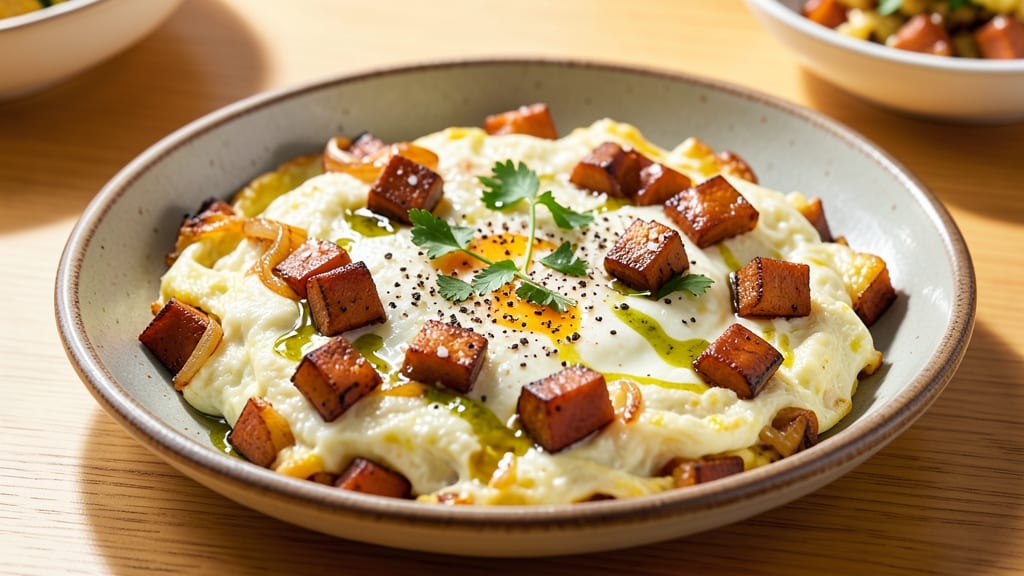
This sweet potato Spanish omelette recipe transforms humble ingredients into a restaurant-worthy dish with caramelized sweet potatoes nestled in fluffy egg clouds. The secret lies in slow-cooking the sweet potatoes until tender and sweet, then folding them into lightly beaten eggs for a texture that's both creamy and satisfying.
I developed this recipe after realizing how easily sweet potatoes could elevate a simple omelette into something special—perfect for brunch or a hearty side.
The process begins with roasting sweet potatoes until their natural sugars caramelize, creating a sweet contrast to the savory eggs. You'll learn how to achieve that perfect balance of crispy edges and tender centers in the eggs, while the sweet potatoes maintain their shape and flavor.
This isn't just another omelette—it's a dish that combines comfort food with Spanish-inspired technique, delivering rich flavor without requiring advanced skills.
By the time you're done, you'll have a golden omelette with perfectly caramelized sweet potatoes peeking through tender egg layers. The dish holds together beautifully when sliced, making it ideal for serving at gatherings or enjoying as a satisfying solo meal.
The combination of textures and flavors creates something truly special—simple yet impressive, hearty yet refined.
Pair it with a fresh green salad or crusty bread to complete the meal, or serve it alongside grilled vegetables for a complete vegetarian spread. Here's how to make it perfectly every time—no shortcuts, just proven technique that delivers restaurant-quality results at home.
Ingredients for sweet potato spanish omelette
Twelve ingredients transform into a restaurant-worthy Spanish omelette with caramelized sweet potatoes.
| Ingredient | Amount | Notes |
|---|---|---|
| Large Eggs 🥚 | 6 whole | Room temperature for even cooking |
| Medium Sweet Potatoes 🍠 | 2 whole | Organic preferred, peeled and cubed |
| Extra-Virgin Olive Oil 🫒 | ½ cup | Light variety for roasting |
| Unsalted Butter 🧈 | 2 tbsp | European-style for higher smoke point |
| Diamond Crystal Kosher Salt 🧂 | ½ tsp | For seasoning sweet potatoes |
| Ground Black Pepper 🌶️ | ¼ tsp | Freshly cracked for aroma |
| Smoked Paprika 🌶️ | ½ tsp | Spanish pimentón for depth |
| Garlic Cloves 🧄 | 2 cloves | Minced, for egg mixture |
| Fresh Thyme Leaves 🌿 | ¼ tsp | Finely chopped, for herbaceous note |
| Fresh Parsley Leaves 🌿 | ¼ tsp | Chopped, for bright finish |
| Vegetable Broth 💧 | ¼ cup | Low-sodium, for moisture |
| All-Purpose Flour 🌾 | 1 tbsp | For dusting omelette pan |
The sweet potatoes are the heart of this dish—select firm, vibrant orange varieties with smooth skins for even roasting. Whole Foods or local farmers markets often carry the sweetest varieties, but any medium-sized sweet potato works. Peeled and cubed uniformly, they roast until tender with caramelized edges. For extra depth, Spanish smoked paprika from Penzeys adds that authentic flavor profile that separates this from standard omelettes. The eggs should be large, organic eggs—they hold their shape better during folding, which is critical for that restaurant-style presentation.
No smoked paprika? Regular paprika plus a pinch of liquid smoke replicates the flavor, though it won't be identical. Substituting regular paprika for smoked reduces the depth but still delivers warmth. Fresh thyme and parsley can be swapped for 1/4 teaspoon dried thyme and parsley, though fresh yields brighter flavors. The vegetable broth adds moisture without overpowering—low-sodium versions like Imagine prevent salt buildup. For the olive oil, light varieties like Bertolli work best for roasting to avoid overpowering the sweet potatoes. If you're short on time, microwaving the cubed sweet potatoes for 5 minutes before roasting speeds up the process without sacrificing texture.
Roasted sweet potatoes keep well in the fridge for 4 days when stored in an airtight container. The egg mixture can be prepped ahead and refrigerated for up to 2 hours before cooking. For make-ahead convenience, roast and store the sweet potatoes separately, then assemble the omelette fresh. The final dish reheats beautifully—30 seconds in the microwave restores the fluffy texture. Portion into individual servings for easy meal prep, or serve immediately for the perfect brunch presentation.
Why You'll Love This Recipe
- One-Pan Magic: I swear by this recipe when I’m too tired to scrub pots—just roast the sweet potatoes in the same pan you’ll cook the eggs. That caramelized crust? It sticks to the eggs like a hug, and cleanup is nonexistent.
- Sweet & Savory Balance: The roasted sweet potatoes bring this dish to life—creamy, slightly sweet, and packed with natural richness. Pair that with the fluffy eggs and a whisper of butter, and you’ve got a flavor combo that feels fancy without trying.
- Meal Prep Hero: Between us, this is my go-to for lunches all week. The eggs hold up beautifully when reheated, and the sweet potatoes stay tender. Pack it in containers, and you’ve got a satisfying, protein-packed meal that doesn’t taste like leftovers.
- Budget-Friendly Staples: Eggs, sweet potatoes, and olive oil? This recipe uses ingredients you already have. No fancy cheeses or specialty items—just honest, delicious food that won’t break the bank. Plus, sweet potatoes last forever in the pantry.
Step-by-step instructions for sweet potato Spanish omelette
Transform humble sweet potatoes into a rich, caramelized centerpiece for a Spanish-inspired omelette that's both rustic and refined.
Roast Sweet Potatoes to Caramelized Perfection
Preheat your oven to 400°F. Toss the 2 whole medium sweet potatoes with 0.25 cup extra-virgin olive oil, 0.5 tsp smoked paprika, 0.25 tsp ground black pepper, and 0.25 tsp diamond crystal kosher salt on a baking sheet. Roast for 45-50 minutes, turning halfway, until tender with deep caramelization.
Here's the thing—you want them fork-tender but still holding shape. If they're browning too quickly, tent with foil. The caramelized exterior will melt into the eggs, creating that signature Spanish omelette texture. Let them cool slightly before handling.
Prepare the Egg Mixture with Herbaceous Depth
In a large bowl, whisk together the 6 whole large eggs until frothy. Add the 2 cloves minced garlic, 0.25 tsp chopped fresh thyme, 0.25 tsp chopped fresh parsley, 0.25 cup vegetable broth, and 0.25 tsp diamond crystal kosher salt. The broth keeps the eggs moist while adding subtle depth.
I like to let this mixture sit for 5 minutes while I finish roasting the potatoes. This resting period allows the flavors to meld slightly before cooking. The eggs should be at room temperature for even cooking—no rubbery centers here.
Create the Signature Sweet Potato Base
Heat a 10-inch oven-safe skillet over medium heat and melt 2 tbsp unsalted butter. Add the roasted sweet potatoes and cook for 3-4 minutes until heated through. Create a well in the center and pour in the egg mixture.
This is where the magic happens. The residual moisture from the potatoes steams the eggs, creating that signature Spanish texture—soft, custardy, and never dry. Don't stir immediately; let the eggs set slightly at the edges before gently tilting the pan to distribute the liquid.
Cook Until Just Set with Golden Edges
Cook the omelette over medium-low heat for 6-8 minutes, occasionally tilting the pan to ensure even cooking. You're looking for the edges to set while the center remains slightly runny—this ensures a silky finish. Sprinkle the 1 tbsp all-purpose flour evenly over the top.
The flour creates a delicate crust that contrasts beautifully with the creamy eggs and caramelized potatoes. If the top starts to brown too quickly, reduce the heat slightly. The moment the edges are set but the center still jiggles slightly is your cue to move to the final step.
Finish Under the Broiler for Ultimate Texture
Transfer the skillet to a preheated broiler for 1-2 minutes until the top is golden and the flour forms a delicate crust. Watch carefully—broilers can be aggressive. The goal is a toasted finish, not charred.
Slide the omelette onto a warm plate and let it rest for 2 minutes before slicing. The internal heat will continue to set the eggs slightly, creating that perfect balance of textures: crispy crust, creamy eggs, and caramelized sweet potatoes in every bite.
Pro Tips For Making Sweet Potato Spanish Omelette
- Cook Sweet Potatoes First: Roast the sweet potatoes until they’re fork-tender but still hold shape—about 25-30 minutes at 400°F (200°C). I learned this the hard way: mushy potatoes turn your omelette into a sad, gluey mess. A quick test: press a piece with your finger—it should give slightly but not collapse.
- Whisk Eggs Like a Pro: Beat the eggs until they’re uniform and just slightly frothy—no need to overdo it. A splash of cold water (1-2 tablespoons) thins them out for a lighter texture, especially when folding in the roasted potatoes. I used to skip this, and the eggs always ended up too thick and dense.
- Salt the Eggs Early: Add ½ teaspoon of kosher salt to the eggs while whisking—don’t wait until the end. The salt dissolves better and seasons the whole dish evenly, not just the surface. (Yes, even if you’re impatient like me, give it 10 seconds to mix in properly.)
- Use Two Oils: Start with olive oil for browning the potatoes in the pan, then switch to butter for the eggs. The butter adds richness and a golden crust, while olive oil keeps the potatoes from sticking. I was skeptical until I tried it—the flavor difference is noticeable.
Make-ahead tips for this recipe
Roast Sweet Potatoes Ahead
The sweet potatoes are the star of this dish, so roast them first and store them in an airtight container in the fridge for up to 4 days. I like to roast them the night before—this saves 30 minutes of active cooking time the next day.
Just reheat them in a skillet with 1 tbsp butter for 3-4 minutes before adding to the eggs. This keeps their caramelized edges intact while warming through. 🍠
Prep Egg Mixture Early
Whisk the egg mixture ahead of time and store it in a covered bowl in the fridge for up to 2 hours before cooking. This allows the flavors to meld slightly, giving you richer, more cohesive eggs when you cook them.
I often prep this while the sweet potatoes roast—just whisk again before pouring into the pan to incorporate any settled ingredients. The eggs should be at room temperature when you cook them for even results. 🥚
Assemble Just Before Serving
For the freshest texture, assemble the omelette just before serving. The flour topping needs to be crispy, which is best achieved when the eggs are hot. If you're making this for a brunch spread, keep the roasted sweet potatoes and egg mixture separate until guests arrive.
Assemble and cook within 10 minutes of serving for that restaurant-quality finish. 💫
Portion for Meal Prep
Slice the fully assembled omelette into 4 equal wedges and store them in a single-layer airtight container for easy grab-and-go meals. These reheat beautifully in the microwave for 30 seconds on high—just cover with a damp paper towel to retain moisture.
The texture stays creamy, though the crust may soften slightly. Perfect for lunches or quick dinners when you're short on time. ⏰
Freeze for Later Use
For longer storage, wrap individual wedges tightly in plastic wrap and place them in a freezer bag with all the air squeezed out. They'll keep for up to 2 months.
To reheat, microwave for 1 minute on medium power, then finish under the broiler for 1-2 minutes to restore the crispy top. The sweet potatoes may lose some texture but still deliver great flavor. 🧊
Make-Ahead Brunch Hack
Double the batch and store half for later—this omelette holds up well for 3 days in the fridge. I love making a big batch on Sunday for easy weeknight dinners. Reheat portions in a skillet with 1 tbsp butter for 2-3 minutes per side for that freshly cooked taste.
Serve with a simple green salad or crusty bread to round out the meal. 🌿
Nutrition facts
Frequently asked questions
Can I substitute regular potatoes for sweet potatoes in this recipe?
While you can use regular potatoes, the flavor and texture won't be the same. Sweet potatoes add natural sweetness and a creamier texture when caramelized. If you must substitute, use Yukon Gold potatoes and reduce roasting time by 10-15 minutes since they cook faster. The dish will still be delicious but will lack the signature sweetness.
Why does the egg mixture need vegetable broth?
The vegetable broth adds moisture and depth to the eggs without overpowering the sweet potatoes. It creates a more tender, custardy texture rather than dry eggs. For a richer flavor, use homemade chicken broth instead, but keep it low-sodium. If you're avoiding broth entirely, add 1 extra tablespoon water to the egg mixture.
How do I fix an omelette that's too runny?
If your omelette is still too soft after cooking, it likely didn't set properly. Return it to medium-low heat for 1-2 extra minutes or finish under the broiler for 30 seconds to set the top. For future attempts, reduce heat slightly and avoid over-stirring the eggs—they need time to set at the edges first.
What's the best way to reheat leftovers?
For best texture, reheat in a skillet over medium heat for 2-3 minutes per side with 1 tbsp butter to restore crispiness. If using the microwave, cover with a damp paper towel and heat for 30 seconds on high. The sweet potatoes may soften slightly but will still be flavorful. For extra crunch, broil for 1 minute after microwaving.
Can I make this dish gluten-free?
Yes! Simply omit the 1 tbsp all-purpose flour or substitute with 1 tbsp gluten-free flour blend. The omelette will still hold together well, though the crust will be less crispy. For a crispy topping without flour, sprinkle with grated Parmesan cheese instead. The flavor remains rich and satisfying.