
Desserts
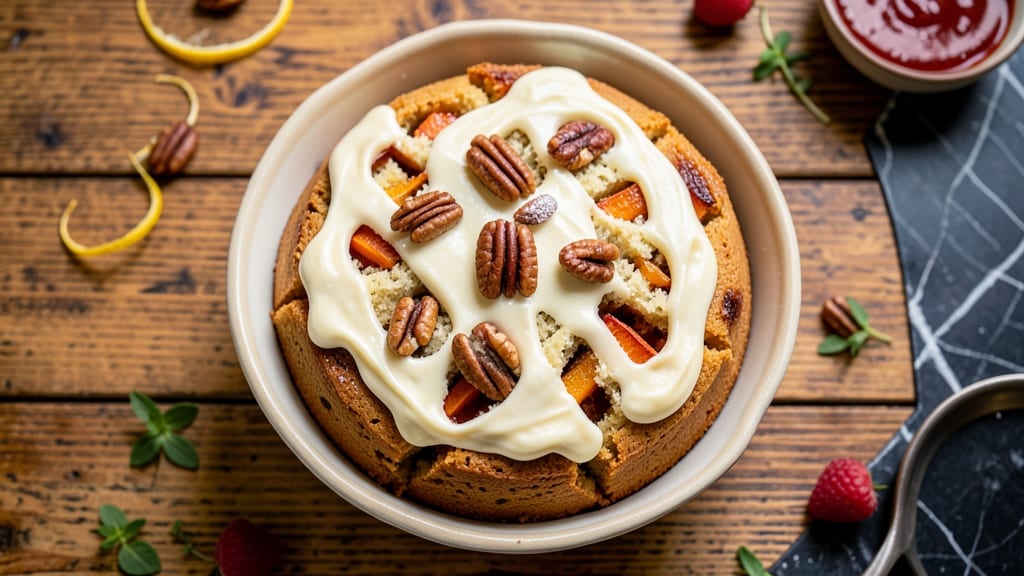
This sweet potato sponge cake delivers layers of moist, tender crumb infused with warm spices that taste like autumn in every bite.
The secret lies in roasting the sweet potatoes first—this caramelizes their natural sugars, creating a cake that's rich yet light, with a subtle earthy sweetness that pairs perfectly with vanilla and cinnamon.
What sets this apart is the Japanese-inspired sponge technique, where eggs are whipped to a pale ribbon stage for maximum lift without heaviness.
Unlike dense sweet potato bread, this cake rises high with a delicate crumb that's both airy and substantial, thanks to a precise balance of flour, sugar, and leavening. The roasted sweet potato puree replaces traditional liquids, keeping the texture incredibly moist while adding depth that store-bought mixes simply can't match.
Professional bakers will appreciate how the cake holds its shape while staying tender—no dry, crumbly results here.
What you'll end up with is a cake that's perfect for holiday gatherings or quiet afternoons, topped with a simple dusting of powdered sugar or a drizzle of cream cheese glaze.
The warm spices—cinnamon, nutmeg, and cardamom—create an aromatic experience that lingers long after the first slice. This recipe transforms humble sweet potatoes into something truly special without requiring advanced techniques.
Best served slightly warm with a scoop of vanilla ice cream or a dollop of whipped cream, this cake proves that comfort food can be elegant. The moist layers and spiced flavor profile make it a standout dessert that feels both nostalgic and sophisticated. Ready to bake?
Ingredients for sweet potato sponge cake
Roasted sweet potatoes and warm spices create this airy, moist sponge cake with perfect balance.
| Ingredient | Amount | Notes |
|---|---|---|
| Orange Sweet Potatoes 🍠 | 2 lbs | Medium-sized, organic preferred |
| Large Eggs 🥚 | 6 whole | Room temperature, separated |
| Granulated Sugar 🍚 | 1 ½ cups | Light brown preferred |
| All-Purpose Flour 🌾 | 2 cups | Sifted, plus extra for dusting |
| Unsalted Butter 🧈 | 1 cup | Cold, cubed, high-fat percentage |
| Pure Vanilla Extract 🌿 | 2 tbsp | High-quality, Madagascar bourbon |
| Ground Cinnamon 🌶️ | 1 tbsp | Ceylon preferred for delicate flavor |
| Ground Nutmeg 🌶️ | ½ tsp | Freshly grated for best aroma |
| Ground Cardamom 🌿 | ½ tsp | Green pods preferred |
| Baking Powder 🍞 | 1 ½ tsp | Aluminum-free for tender crumb |
| Fine Sea Salt 🧂 | ½ tsp | Diamond Crystal preferred |
| Powdered Sugar 🍚 | ½ cup | For dusting, sifted |
| Heavy Whipping Cream 🥛 | ½ cup | Cold, 36% fat minimum |
The sweet potatoes are non-negotiable—organic, medium-sized ones caramelize best. Whole Foods or local farmers markets often carry the best varieties. Roast them until tender, then puree until completely smooth—no chunks means no dense spots in your cake. For the eggs, room temperature is key; cold eggs won't whip properly. If you're in a hurry, separate them 15 minutes ahead and let them sit uncovered. The butter should be cold and cubed—never melted—so it creates pockets of moisture rather than dissolving into the batter.
No Ceylon cinnamon? Regular ground cinnamon works, but you'll taste the difference. Cardamom pods can be ground yourself for maximum freshness, but pre-ground is fine if it's labeled recent. For the vanilla, imitation extract—it lacks depth. The baking powder must be fresh; if it's more than 6 months old, test it first by mixing with water—it should bubble vigorously. For a lighter texture, sift the flour and baking powder together before adding to the batter. The heavy cream is optional but adds luxurious moisture; if skipping, increase the butter by 2 tbsp.
Roasted sweet potato puree keeps for 3 days in the fridge, covered tightly. The dry ingredients (flour, spices, baking powder) should be stored in airtight containers away from light to preserve freshness. Once baked, the cake stays moist for 3 days at room temperature, wrapped in plastic. For longer storage, slice and freeze individual portions—3 months is the limit. Reheat slices in a 200°F oven for 10 minutes to restore freshness.
Why You'll Love This Recipe
- No Peel Required: I swear by this trick—just roast the sweet potatoes whole, scoop out the flesh, and blend it right into the batter. No peeling, no mess, and honestly? The natural sweetness from that caramelized orange flesh is what makes this cake sing.
- Moist Without Syrup: This isn’t your dry, crumbly sponge—thanks to the eggs and butter, it stays tender and rich for days. The sweet potatoes add natural moisture, so you won’t find yourself drowning it in syrup or glaze. (Yes, even on a Tuesday night.)
- Breakfast or Dessert: Serve it warm with a drizzle of honey for a lazy weekend brunch, or dust it with powdered sugar for an after-dinner treat. Honestly, I’ve had it both ways, and the cake doesn’t judge.
- Budget-Friendly Stretch: Sweet potatoes and eggs are pantry staples, and this recipe makes two full cakes—perfect for feeding a crowd or prepping ahead. Between us, it’s my go-to for potlucks because it’s always a hit, and I’m not spending a fortune.
Step-by-step instructions for sweet potato sponge cake
Here's how to create a tender, moist sponge cake with warm spice notes and perfect texture.
Prepare the Sweet Potato Purée
Preheat your oven to 400°F. Pierce the 2 lbs orange sweet potatoes with a fork and bake on a sheet pan for 45-50 minutes until fork-tender. The skins should be slightly charred and the flesh soft when pierced.
Let the sweet potatoes cool slightly, then peel off the skins and transfer the flesh to a food processor. Add 1 cup unsalted butter and process until completely smooth, scraping down the sides as needed. This purée forms the moist base of your cake—don't skip this step, as it's what makes this sponge so uniquely tender.
Whisk Eggs and Sugar for Light Structure
In a separate large bowl, beat the 6 whole large eggs with the 1.5 cups granulated sugar over a double boiler (or in a heatproof bowl set over simmering water) until the mixture reaches 160°F and triples in volume. You'll see it go from thick to light and airy—this is crucial for a proper sponge texture.
Remove from heat and let cool slightly while whisking continuously. Add the 2 tbsp pure vanilla extract and whisk until fully incorporated. The mixture should be pale yellow and hold soft peaks when you lift the whisk. This step develops the cake's signature lightness and prevents dense layers.
Combine Wet Ingredients and Dry Components
Gradually fold the sweet potato purée into the egg mixture using a spatula, being careful not to deflate the air you've incorporated. In a separate bowl, whisk together the 2 cups all-purpose flour, 1.5 tsp baking powder, 0.5 tsp fine sea salt, 1 tbsp ground cinnamon, 0.5 tsp ground nutmeg, and 0.5 tsp ground cardamom.
Sift the dry ingredients over the wet mixture and gently fold together using a spatula, moving from the bottom up. The batter should be thick but still pourable. Avoid overmixing—just until no dry spots remain. This careful combination ensures the warm spices are evenly distributed while maintaining the delicate structure you've built.
Bake in Prepared Pans
Divide the batter evenly between two 8-inch round cake pans lined with parchment paper. Bake at 350°F for 25-30 minutes until a toothpick inserted in the center comes out clean and the tops spring back when touched. The edges should be golden while the centers remain slightly moist.
Real talk: Your oven might run hot, so start checking at the 20-minute mark. If the tops brown too quickly, tent with foil. The cakes are done when they've risen and developed a slight crust—this indicates proper moisture retention without being undercooked.
Assemble and Finish the Cake
Let the cakes cool in their pans for 10 minutes, then transfer to a wire rack to cool completely. Once cooled, level the tops if needed and place one cake layer on a serving plate. Whip the 0.5 cup heavy whipping cream with the 0.5 cup powdered sugar until stiff peaks form.
Spread the cream evenly over the first layer, then place the second cake layer on top. Dust the entire cake with additional powdered sugar for a finished look. The warm spice notes from the cardamom and nutmeg will shine through in every moist, tender bite—this is what makes this sponge cake truly special.
Pro Tips For Making Sweet Potato Sponge Cake
- Boil Sweet Potatoes Until Fork-Tender: I learned this the hard way—overcooked sweet potatoes turn to mush and ruin the cake’s texture. Test doneness by piercing with a fork; it should slide in easily but still hold shape. Drain immediately and let them cool completely before mashing, or you’ll end up with a soggy batter.
- Separate Egg Whites Early: Don’t wait until the last minute to whip those egg whites—they need time to come to room temperature for maximum volume. Pop them in a separate bowl as soon as you start prepping, and whisk them gently first to remove any foam before beating to stiff peaks.
- Weigh Your Flour (No Scooping): Spoon-and-scoop flour measurements are a disaster for sponge cakes. Use a kitchen scale for precision—this recipe demands it. Too much flour makes the cake dense; too little leaves it crumbly. Aim for 120 grams (about 1 cup) and level it off with a knife if you’re still measuring by volume.
- Bake in Two Stages: Start with a hot oven (375°F/190°C) to help the cake rise quickly, then drop to 325°F (160°C) once the top is set to prevent over-browning. This two-step approach gives you a golden crust without a dry center—trust me, your cake will thank you.
Serving suggestions for this recipe
Warm Spice Pairings
This cake's signature flavors—cinnamon, nutmeg, and cardamom—call for complementary warm spices in your serving. A scoop of vanilla bean ice cream (look for Häagen-Dazs or Ben & Jerry's) enhances the vanilla extract's depth, while a sprinkle of toasted pecans adds crunch.
For a savory contrast, serve with sharp cheddar cheese on the side—it sounds unusual, but the saltiness cuts through the sweetness beautifully.
Creamy Glaze Options
Skip the powdered sugar dusting and go for a cream cheese glaze instead. Mix 4 oz cream cheese softened with 2 tbsp butter, ½ cup powdered sugar, and 1 tsp vanilla extract.
Drizzle over the cake before serving. For extra decadence, add 1 tbsp orange zest to the glaze—it mirrors the sweet potatoes' natural brightness. 🍊
Seasonal Fruit Toppings
Autumn's harvest fruits elevate this cake perfectly. Roasted pears (tossed with 1 tbsp brown sugar and baked at 375°F for 20 minutes) add caramelized sweetness, while cranberry compote (simmer 1 cup cranberries with 2 tbsp honey and 1 tsp orange juice) provides tart contrast.
For winter, dried apricots rehydrated in warm spiced tea work wonderfully.
Coffee or Tea Pairings
Serve with chai tea (I love Tazo's spiced chai) to amplify the cardamom and cinnamon notes. For coffee lovers, a dark roast (like Peet's Major Dickason's Blend) balances the cake's richness without overpowering it. A small espresso martini with vanilla syrup adds a sophisticated touch for special occasions.
Make-Ahead Serving Tips
Slice the cake 1 day ahead and store in an airtight container at room temperature. Reheat slices in a 200°F oven for 5-7 minutes to restore moisture.
For parties, assemble the cake 24 hours before serving—the flavors meld beautifully over time. Keep the whipped cream separate until serving to prevent sogginess. 💫
Presentation Ideas
For an elegant look, dust the cake with powdered sugar through a fine-mesh sieve for a snowy effect. Arrange fresh rosemary sprigs between layers for a fragrant, rustic touch. Serve on a wooden cake stand with a linen napkin underneath to catch crumbs.
For a modern twist, use black slate cake boards to make the cake's colors pop against dark backgrounds.
Nutrition facts
Frequently asked questions
Why do I need to roast the sweet potatoes first?
Roasting caramelizes the natural sugars in the sweet potatoes, creating a deeper, more complex flavor that transforms your cake from sweet to richly aromatic. This step also removes excess moisture, which prevents a dense crumb—key for that signature light sponge texture. Skipping it results in a cake that tastes more like sweet potato pie than delicate sponge.
Can I substitute regular potatoes for sweet potatoes?
No, this recipe relies on sweet potatoes' natural sweetness and moisture content. Regular potatoes lack the sugar content and would make your cake taste bland and dry. For a similar flavor profile, try yams, but sweet potatoes are the only true match here. The roasting step is also crucial for developing those caramelized notes.
How do I know when the eggs and sugar mixture is ready?
The mixture should triple in volume, turn pale yellow, and hold soft peaks when you lift the whisk. It should also reach 160°F—this indicates proper protein coagulation, which creates the cake's signature lightness. If it's too thick or doesn't hold peaks, continue whisking over the double boiler for another 2-3 minutes.
What if my cake sinks in the middle?
This usually happens from overmixing the batter or opening the oven too soon. Always check doneness with a toothpick at the 20-minute mark—if it's done early, tent with foil to prevent overbrowning. For next time, make sure your baking powder is fresh (test it by mixing with water—it should bubble vigorously).
Can I make this cake in a single layer?
Yes! Simply use one 9-inch round pan and reduce the baking time to 20-25 minutes. For a taller cake, bake in a 6-inch pan for 35-40 minutes. Just