
Desserts
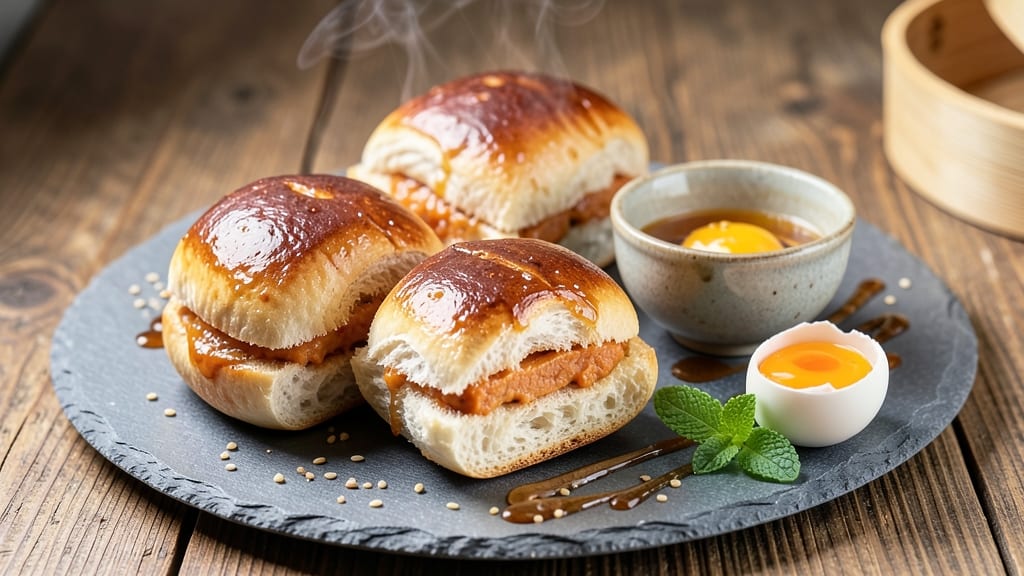
This sweet potato steamed bun recipe transforms humble ingredients into delicate, fragrant buns with a creamy cinnamon-spiced filling that melts at the first bite.
The secret lies in a light, airy dough that steams to perfect pillowy softness, while the sweet potato filling—infused with warm spices—creates a flavor balance that’s both comforting and sophisticated.
What makes these stand out is the harmony between the tender, slightly chewy exterior and the velvety filling that’s neither too sweet nor cloying.
The process begins with a simple yeast dough that develops flavor as it rises, then steams to achieve that signature soft texture. Meanwhile, the filling combines mashed sweet potato with cinnamon, brown sugar, and a touch of vanilla for depth, creating a filling that’s rich but not heavy.
This isn’t your average dessert—it’s a restaurant-quality treat that’s surprisingly easy to make at home, with no special equipment beyond a steamer or heavy pot with a lid.
By the time you’re done, you’ll have buns that are golden-brown at the edges, fragrant with cinnamon, and bursting with that signature sweet potato flavor in every bite.
The contrast of warm spices against the dough’s mild sweetness makes these irresistible, whether served fresh from the steamer or lightly toasted the next morning. Perfect for brunch, dessert, or even a cozy snack, these buns are a celebration of texture and flavor in every mouthful.
For those who prefer plant-based options, the dough can easily be adapted with flax eggs and plant-based milk, while the filling remains naturally vegetarian. The recipe scales beautifully—make a batch for a crowd or freeze extras for later.
Let’s get started on creating these pillowy, spiced delights that taste like a hug in every bite.
Ingredients for sweet potato steamed bun
Transform humble pantry staples into delicate, fragrant steamed buns with this vegetarian masterpiece.
| Ingredient | Amount | Notes |
|---|---|---|
| All-Purpose Flour 🌾 | 4 cups | Plus 2 tbsp for dusting |
| Granulated Sugar 🍚 | ¼ cup | For dough, plus extra for dusting |
| Active Dry Yeast 🍞 | ¼ oz | 1 packet or 2 1/4 tsp |
| Unsalted Butter 🧈 | ½ cup | Cold, cubed for dough |
| Whole Milk 🥛 | ¾ cup | Warm to room temperature |
| Large Eggs 🥚 | 1 whole | Room temperature |
| Sweet Potatoes 🍠 | 1 ½ lbs | Orange flesh, peeled and boiled |
| Brown Sugar 🍚 | ½ cup | Packed, for filling |
| Ground Cinnamon 🌿 | 1 tbsp | Plus extra for dusting |
| Pure Vanilla Extract 🍯 | 1 tsp | For filling depth |
| Salt 🧂 | ½ tsp | Fine sea salt |
| Vegetable Oil 🫒 | 1 tbsp | For greasing steamer |
| Granulated Sugar 🍚 | ¼ cup | For filling, packed |
The sweet potatoes are the heart of this recipe—look for vibrant orange flesh with no green spots. Trader Joe's and Whole Foods carry excellent organic varieties, but any firm sweet potato works. Peel and boil them until fork-tender, then mash until smooth. The dough flour is non-negotiable: King Arthur or Gold Medal brands yield the best results for that signature pillowy texture. Keep your yeast in a cool, dark place—it lasts up to 6 months this way. For the butter, Land O'Lakes or Plugrá brands melt beautifully without overpowering the dough.
No whole milk? Oat or almond milk works at the same quantity, though the dough may rise slightly slower. Short on brown sugar? Substitute dark molasses at half the amount for depth. The vanilla extract can be swapped for vanilla bean paste if you're feeling fancy—just reduce to 1/2 tsp. For a plant-based option, replace the egg with 1 tbsp ground flaxseed + 3 tbsp water (let it thicken for 5 minutes). The cinnamon should be freshly ground if possible—Penzeys or McCormick brands stay potent longer. If your steamer isn't large enough, use a heavy pot with a tight-fitting lid and a metal colander.
Freshly made buns keep beautifully for 2 days at room temperature, wrapped in a clean kitchen towel. For longer storage, freeze them unfilled for up to 3 months—just steam from frozen, adding 5-7 minutes. The filling can be prepped ahead and stored in the fridge for 5 days or frozen for 3 months. To reheat, steam for 3-4 minutes over simmering water. For a restaurant-quality touch, dust with powdered sugar and a pinch of cinnamon before serving—worth the extra minute for that professional finish.
Why You'll Love This Recipe
- No Yeast Struggles: I’ve made buns that failed me—this one doesn’t. The yeast blooms fast with warm milk and sugar, and the dough comes together in one bowl (no messy kneading). Even if I rush, those sweet potato buns still puff up like magic.
- Sweet Potato Magic: That caramelized sweet potato filling? It’s the star. The butter and sugar melt into it while steaming, giving you a gooey, slightly crisp edge that’s dangerously hard to stop eating. Honestly, I’ve skipped dessert for these.
- Breakfast or Snack: These buns are my secret weapon for lazy mornings—just warm one up and slather with butter. Or pack a batch for lunch; they reheat perfectly. My kids grab them for after-school snacks, and my husband sneaks them for midnight cravings.
- Budget-Friendly Luxury: Flour, sugar, and butter? Pantry staples. The sweet potato adds depth without costing a fortune, and a batch makes 12 buns—plenty for leftovers. I’ve fed a crowd for under $10, and no one ever guesses how simple it was.
Step-by-step instructions for sweet potato steamed buns
Master the art of creating tender, fragrant buns with a sweet potato filling that melts into perfect harmony.
Prepare the Sweet Potato Filling
Peel the 1.5 lbs sweet potatoes and cut them into even chunks. Place them in a pot of boiling water and cook for 15-20 minutes until fork-tender. Drain well and mash until completely smooth—no lumps should remain. This texture is critical for a filling that blends seamlessly with the dough.
In a separate bowl, whisk together the mashed sweet potatoes with 0.5 cup packed brown sugar, 1 tbsp ground cinnamon, 1 tsp pure vanilla extract, and 0.25 cup granulated sugar. Mix thoroughly until the spices are evenly distributed. The filling should be thick but spreadable—if it's too stiff, add 1 teaspoon of warm milk to loosen it. Cover and set aside to cool completely before using.
Activate the Yeast and Mix the Dough
In a small bowl, combine the 0.75 cup warm whole milk with 0.25 oz active dry yeast and 0.25 cup granulated sugar. Let it sit for 5-10 minutes until frothy—this confirms the yeast is active. If it doesn't bubble, start over with fresh yeast.
In a large mixing bowl, combine the 4 cups all-purpose flour and 0.5 tsp salt. Make a well in the center and pour in the yeast mixture, 1 whole large egg, and 0.5 cup cold cubed unsalted butter. Mix with a wooden spoon until the butter is incorporated, then knead by hand for 8-10 minutes until the dough is smooth and elastic. The dough should be slightly tacky but not sticky—if it sticks to your hands, sprinkle a little extra flour.
Knead and First Rise
Lightly flour a clean surface and turn out the dough. Knead for another 5 minutes until the dough is silky and springs back when poked. Shape into a ball, place in a lightly oiled bowl, cover with a damp towel, and let rise in a warm place for 1-1.5 hours or until doubled in size. The dough should feel light and airy when pressed gently.
Here's the thing—don't rush this rise. A proper fermentation develops the gluten structure and flavor. If your kitchen isn't warm enough, place the bowl near a slightly warm oven with the light on to create a cozy environment for the yeast to work its magic.
Shape and Fill the Buns
Punch down the risen dough to release air, then divide it into 12 equal portions (about 4 oz each). Roll each portion into a ball and flatten slightly into a disc. Place 1 teaspoon of the sweet potato filling in the center of each disc. Gently pinch the edges together to seal, forming a half-moon shape with the filling tucked inside.
Arrange the filled buns seam-side up in a greased steamer basket, leaving about 1 inch between each. The filling should be completely enclosed—if any leaks out, it will make the buns soggy. Cover the steamer with a damp towel to maintain moisture during steaming.
Steam to Pillowy Perfection
Bring a pot of water to a boil, then reduce to a gentle simmer. Place the steamer basket over the pot, ensuring the water doesn't touch the buns. Cover tightly and steam for 15-18 minutes until the buns are golden brown on top and the filling is fully set. You'll know they're done when they pull away from the sides of the steamer with a slight resistance.
Remove the buns carefully and let them cool on a wire rack for 10 minutes before serving. The exterior should be soft and slightly crisp, while the interior remains tender and fragrant. For extra shine, brush the tops with a little melted butter right after steaming. These buns are best enjoyed fresh, while the sweet potato filling is still warm and gooey.
Pro Tips For Making Sweet Potato Steamed Bun
- Proof at Body Temp: Skip the warm milk shortcut—yeast wakes up faster in milk that’s the same temp as your hand (about 100°F). I used to microwave it, but now I just let the whole milk sit out for 10 minutes before mixing. The dough rises twice as fast, and the buns stay lighter.
- Butter in Small Chunks: Cut that unsalted butter into ½-inch cubes, not thin slices. They’ll melt slower during proofing, giving you that signature flaky layer without turning the dough greasy. I learned this after my first batch came out dense—turns out, butter’s not just flavor, it’s structure.
- Don’t Overfill the Steamer: Stuff the buns with sweet potato filling loosely—think 80% full at most. Overpacking makes them burst or steam unevenly, and you’ll end up with a gummy mess instead of a tender, airy bite. Trust me, the filling will expand, and you’ll regret the crammed ones.
- Steam with Lids Off First: Start your steamer with the lid off for the first 3 minutes—this blows off excess moisture so the buns don’t turn soggy. Once the water’s boiling hard, cover it and steam for 8–10 minutes. I was skeptical until I tried it; now my buns stay pillowy, not glued together.
Essential equipment for perfect results
Steamer Essentials
You’ll need a steamer basket that fits snugly over your pot—Presto’s 12-inch stainless steel steamer is my go-to for even heat distribution. If you don’t own one, a colander or metal mesh strainer works in a pinch, but ensure it’s wide enough to accommodate your buns without crowding.
The key is maintaining steady steam—never let the water boil dry, or your buns will turn tough. 🌿
Pot Selection
A heavy-bottomed pot with a tight-fitting lid is non-negotiable to prevent steam from escaping. I prefer All-Clad’s 3-quart stainless steel pot for its even heat retention, but any enamel-coated Dutch oven (like Le Creuset) will work beautifully.
Avoid non-stick—it can’t handle the high heat needed for proper steaming. The pot should be large enough to hold 2 inches of water without spilling when the steamer is placed inside.
Dough Tools
For shaping, a dough scraper (like OXO’s Good Grips) is a game-changer—it helps divide the dough evenly and prevents sticking. A rolling pin isn’t necessary for this recipe, but if you prefer to flatten the dough discs, use one with a silicone handle for better grip.
For measuring, a digital kitchen scale (such as Escali’s Prisma) ensures precision when dividing the dough into 4-ounce portions. 💡
Filling Prep Gear
Mashing the sweet potatoes smoothly is critical—use a potato masher or immersion blender (like Ninja’s 1100-watt) for lump-free results. For mixing the filling, a small mixing bowl with a flexible silicone spatula (such as OXO’s Good Grips) ensures no spices are left behind.
If you’re prepping ahead, store the filling in an airtight container with parchment paper between layers to prevent sticking.
Optional Upgrades
For a professional touch, invest in a bamboo steaming rack—it elevates the buns for even steaming and easy removal. A thermometer (like Thermoworks’ Smoke) helps monitor water temperature—ideal steam is 180–200°F.
If you’re making these often, a stand mixer (such as KitchenAid’s Artisan) simplifies dough kneading, but hand-kneading works just as well with practice. 🔥
Nutrition facts
Frequently asked questions
Can I make these sweet potato steamed buns without a steamer?
Use a heavy pot with a tight-fitting lid and place a metal colander or inverted heatproof bowl inside. Fill the pot with 2 inches of water and bring to a simmer before adding the buns. Keep the lid on tightly to maintain steam—just avoid letting the water touch the buns.
How do I prevent the filling from leaking while steaming?
Seal the filling completely by pressing the edges firmly together when shaping. If any leaks occur, it's usually from improper sealing. For extra security, place the filled buns seam-side down in the steamer basket—this helps contain the filling while they steam.
Can I make the dough ahead of time?
Yes! Shape and fill the buns, then store them in an airtight container in the fridge for up to 24 hours. When ready to steam, let them sit at room temperature for 30 minutes first. For longer storage, freeze unsteamed buns for 3 months—steam from frozen, adding 5-7 extra minutes.
What can I substitute for sweet potatoes in the filling?
Try mashed butternut squash or pumpkin puree (adjust sugar to taste) for a similar texture. For a fruit variation, use mashed ripe banana or applesauce—just reduce the sugar to 0.25 cup since these are naturally sweeter. The key is a smooth, thick consistency.
Why did my buns turn out dense instead of pillowy?
This usually happens from over-kneading, insufficient yeast activation, or under-steaming. Make sure your yeast is fresh (it should bubble within 5-10 minutes in warm milk) and steam for the full 15-18 minutes. Also, don't skip the rise time—the dough needs 1-1.5 hours to develop properly.