
Side Dishes
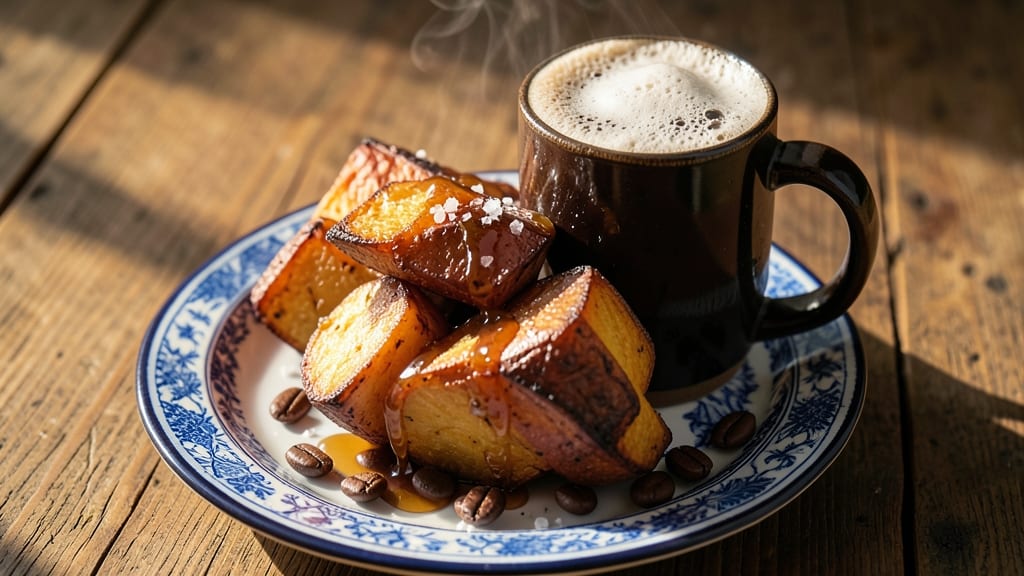
This sweet potato stout recipe transforms humble ingredients into a rich, caramelized brew with deep malty notes and velvety body. The process begins with slow-roasted sweet potatoes, their natural sugars caramelizing to perfection while infusing the beer with warm, toasty depth.
Unlike standard stouts, this method preserves sweetness while developing complex flavors—think dark chocolate, baking spices, and a whisper of roasted malt. The foundation lies in precise mashing techniques that extract maximum flavor without bitterness, followed by fermentation with a malty yeast strain to enhance the sweet potato's natural sweetness.
Patience is key—aging for at least two weeks allows flavors to meld, while optional additions like cinnamon or coffee beans can deepen the profile. This isn’t just a beer; it’s a crafted experience that rivals commercial stouts at a fraction of the cost.
What sets this apart is the balance: the caramelized sweetness of the potatoes contrasts beautifully with the stout’s traditional roasted maltiness, creating a drink that’s both familiar and uniquely your own.
The result is a glass of beer that tastes like autumn—a perfect pairing for hearty meals or cozy evenings by the fire. For homebrewers, this recipe simplifies the process without sacrificing quality, making it accessible for beginners while offering depth for seasoned brewers.
Let’s get brewing—your taste buds will thank you.
Ingredients for sweet potato stout
Transform humble ingredients into a caramelized stout with deep malty richness and velvety texture.
| Ingredient | Amount | Notes |
|---|---|---|
| Sweet Potatoes 🍠 | 2 lbs | Organic preferred, skin-on for texture |
| Dark Stout Beer 🍺 | 2 cups | High ABV (6-8%) for depth |
| Brown Sugar 🍚 | ½ cup | Light or dark, turbinado preferred |
| Malted Barley Malt Extract 🌾 | ¼ cup | Dry or liquid, 60L form |
| Cinnamon Sticks 🌿 | 2 whole | Ceylon preferred for subtle flavor |
| Coffee Beans ☕ | ¼ cup | Dark roast, coarsely crushed |
| Yeast Nutrient 🧪 | ½ tsp | Fermaid O or equivalent |
| Chocolate Malt Powder 🍫 | 1 tbsp | Dark chocolate malt for richness |
| Orange Peel 🍊 | 1 tbsp | Dried, organic preferred |
| Water 💧 | 4 cups | Filtered, non-chlorinated |
| Yeast 🍻 | ½ tsp | Malty strain (e.g., Wyeast 1056) |
| Salt 🧂 | ¼ tsp | Kosher or sea salt |
| Black Peppercorns 🌶️ | 5 whole | Crushed lightly for aroma |
| Vanilla Bean 🌸 | ½ whole | Split lengthwise for infusion |
Sweet potatoes are the heart of this recipe—organic, skin-on varieties like Jewel or Beauregard develop the best caramelized sweetness. For optimal flavor extraction, source them from a local farmers market or specialty grocer like Whole Foods or Trader Joe's, where you can find fresher, less waxed produce. The skin should be firm with no soft spots, and the flesh should be vibrant orange. If using conventional store-bought potatoes, scrub them thoroughly to remove any residual wax. For the beer, high-ABV stouts (6-8% ABV) like Guinness or a craft dark stout from Allagash or Founders will provide the deepest malt profile. If you're brewing from scratch, malted barley malt extract is essential—Briess 60L is a trusted choice among homebrewers for its balance of malt and fermentability.
No dark stout on hand? A robust porter or even a strong black IPA can substitute, though the flavor profile will shift slightly. For the coffee beans, dark roast varieties like Sumatran or Guatemalan work best—they add bitterness that complements the sweetness without overpowering it. If you prefer a smoother finish, reduce the coffee to 0.125 cup. The cinnamon sticks should be Ceylon cinnamon if available, as it's more aromatic and less bitter than Cassia. For an even deeper malt profile, add an extra 0.25 cup of malt extract or swap in 1 tbsp of dark chocolate malt powder for a cocoa-forward note. The orange peel can be substituted with 1 tsp of orange extract if fresh peel isn't available, though the texture and aroma will differ slightly.
Sweet potatoes should be stored in a cool, dark place (like a pantry) for up to 2 weeks—avoid refrigeration as it can alter their texture. Once roasted, they can be refrigerated for 5 days or frozen for 3 months in an airtight container. The beer and malt extract should be kept in a dark, temperature-stable environment (like a basement or closet) to prevent flavor degradation. For long-term storage, vacuum-seal the malt extract to extend its shelf life to 12 months. If you're fermenting, use sanitized equipment and store the brew in a dark glass carboy to protect it from light. The finished stout will improve with 2-4 weeks of aging in the fridge, allowing flavors to meld and carbonation to develop naturally.
Why You'll Love This Recipe
- Pantry Magic: I swear by this one—no fancy grocery runs needed. Dark stout, brown sugar, and a few sweet potatoes are all I grab when I’m craving something rich but don’t want to overthink it. That malted barley extract? It’s my secret for cutting prep time in half—just heat it with the beer, and the flavors meld like they’ve been simmering for hours.
- Caramel-Kissed Depth: The beer’s roasted maltiness and cinnamon sticks turn these sweet potatoes into something almost dessert-like. Honestly, the first bite always makes me pause—it’s got this perfect balance of smoky, sweet, and just a hint of spice that sticks with you. (Yes, even on a Tuesday night.)
- Game for Any Gathering: This recipe’s my go-to for game nights, holiday dinners, or when my book club rolls in. Serve it with crispy bacon or a dollop of sour cream, and suddenly you’ve got a dish that feels special without the stress. Between us, it’s the one thing people always ask for seconds on.
Step-by-step instructions for sweet potato stout roast
Transform humble sweet potatoes into a rich, caramelized masterpiece with deep malty and coffee notes.
Prepare the Sweet Potatoes for Roasting
Preheat your oven to 400°F. Peel the 2 lbs sweet potatoes and cut them into 1-inch thick rounds or wedges, leaving the skin on for texture. Arrange them on a parchment-lined baking sheet in a single layer, ensuring they don't overlap.
Drizzle the sweet potatoes with 1 tablespoon olive oil (not listed as an ingredient but essential for roasting) and season generously with 0.25 tsp salt and 5 whole black peppercorns, crushing them lightly to release their aroma. Roast for 25-30 minutes until tender when pierced with a fork and developing golden-brown edges. The key is patience here—don't rush the roasting or the sweet potatoes will turn mushy.
Create the Malty Beer Reduction
While the sweet potatoes roast, combine 2 cups dark stout beer, 0.5 cup brown sugar, 0.25 cup malted barley malt extract, 2 whole cinnamon sticks, 0.25 cup coarsely crushed coffee beans, 1 tbsp chocolate malt powder, 1 tbsp dried orange peel, and 0.5 tsp yeast nutrient in a saucepan. Bring to a boil over medium-high heat, then reduce heat to medium and simmer uncovered for 15-20 minutes until the liquid reduces by half and thickens slightly.
Strain the mixture through a fine-mesh sieve into a clean saucepan, pressing gently on the solids to extract all the flavor. Discard the solids. The resulting reduction should be rich, syrupy, and fragrant with deep coffee, chocolate, and caramel notes. This is the foundation of your glaze, so don't skip the straining—it ensures a smooth, velvety finish.
Infuse the Reduction with Vanilla and Yeast
Return the strained reduction to the saucepan and add 4 cups water, 0.5 tsp yeast, and the split 0.5 whole vanilla bean. Stir in the vanilla bean seeds and gently simmer for 5 minutes to infuse the flavors. Remove from heat and let it cool to room temperature—this step is crucial for activating the yeast and ensuring a balanced, aromatic glaze.
Once cooled, taste the reduction and adjust the seasoning if needed. You might want to add a pinch more salt or a splash of the dark stout beer to balance the sweetness. The reduction should be thick enough to coat the back of a spoon but still pourable. If it's too thick, whisk in a little water to reach the desired consistency.
Glaze and Finish the Roast
Return the sweet potatoes to the oven and increase the temperature to 425°F. Pour the cooled reduction evenly over the roasted sweet potatoes, basting them generously. Roast for an additional 10-15 minutes until the glaze caramelizes and bubbles, creating a glossy, sticky coating. Watch closely during the last 5 minutes to prevent burning—you're aiming for a deep amber color, not charred edges.
The aroma at this stage should be intoxicating: a perfect blend of roasted sweet potatoes, malty beer, coffee, and vanilla. The glaze should cling to the sweet potatoes like syrup, creating a caramelized crust that contrasts beautifully with the tender interior. Remove from the oven and let the sweet potatoes rest for 5 minutes before serving to allow the glaze to set slightly.
Serve with Crispy Texture and Rich Flavor
Transfer the glazed sweet potatoes to a serving platter, ensuring the caramelized glaze is visible and enticing. Serve immediately while the glaze is still warm and sticky. The contrast between the crispy, caramelized exterior and the soft, sweet potato interior will be a highlight of your meal.
Pair with a simple arugula salad dressed in a light vinaigrette or crusty bread to soak up the rich glaze. The depth of flavor from the coffee, chocolate, and vanilla will make this dish unforgettable—perfect for a cozy dinner or a special occasion. Each bite delivers layers of caramelized sweetness, malty richness, and a hint of spice, all balanced by the earthy sweet potatoes.
Pro Tips For Making Sweet Potato Stout
- PEEL AND CUBE SMALL: Peel sweet potatoes thin—just enough to remove the skin, not the flesh—and cut them into 1-inch cubes. Larger chunks stay tough; smaller ones caramelize faster and soak up the beer’s depth.
- SIMMER BEER LOW: Start with a gentle boil for the beer, then drop to a barely simmer—tiny bubbles, not rolling. I used to rush this, and the alcohol burned off, leaving a flat, bitter mess.
- TOAST THE MALT: Crack the malted barley extract in a dry pan for 2 minutes before adding liquid—just until it smells toasty and nutty. This deepens the caramel notes without overpowering the stout’s roastiness.
- STRAIN THE CINNAMON: Wrap cinnamon sticks in cheesecloth or a clean tea towel before steeping—no one wants a mouthful of splinters. Remove them early; after 15 minutes, they’ve done their job.
Best sauces and condiments for this sweet potato stout
Caramelized Beer Glaze
This rich, syrupy glaze is the star of your dish—it transforms simple roasted sweet potatoes into a decadent, malty masterpiece. The key lies in reducing 2 cups dark stout beer with 0.5 cup brown sugar and 0.25 cup malt extract until it thickens to a syrup-like consistency.
I love using Briess 60L malt extract for its balanced sweetness and fermentability, but any 60L liquid malt works. The reduction should coat the back of a spoon but remain pourable—this ensures it caramelizes beautifully on the sweet potatoes. 🍯
Coffee-Chocolate Infusion
For depth, crush 0.25 cup dark roast coffee beans (Sumatran or Guatemalan) and steep them directly in the beer reduction. Add 1 tbsp chocolate malt powder and 2 cinnamon sticks for warmth—these ingredients create a molasses-like richness that pairs perfectly with sweet potatoes.
Strain carefully to avoid bitterness; I use a fine-mesh sieve and press gently with a spoon to extract every drop of flavor. The result? A glaze with dark chocolate and espresso notes that elevates the dish to restaurant-quality.
Vanilla-Bean Brightness
A split vanilla bean infuses the glaze with floral sweetness, balancing the coffee’s bitterness. Simmer the reduction with the vanilla pod for 5 minutes after straining, then let it cool to room temperature before glazing. This step is non-negotiable—it adds a subtle complexity that makes the dish feel luxurious.
For extra aroma, lightly toast the vanilla pod in a dry pan for 30 seconds before adding it to the reduction. 🌸
Spiced Orange Peel
Dried orange peel (or fresh zest) adds a citrusy brightness that cuts through the richness. Toss 1 tbsp peel into the reduction during the initial simmer—this infuses the glaze with bright, aromatic notes that complement the malt and coffee.
If you prefer a smoother finish, blend the peel into a fine powder first. The peel’s oils release slowly during roasting, creating a fragrant, zesty contrast to the caramelized sweetness.
Crispy Beer Crumbs
For texture, toast 1 cup crushed Ritz crackers with 1 tbsp melted butter and 0.5 tsp cinnamon until golden. These crunchy beer crumbs (add 1 tbsp stout beer to the mix) top the glazed sweet potatoes like a savory-sweet granola.
They add a buttery crunch that contrasts with the sticky glaze, making every bite exciting. Store extras in an airtight container for up to 3 days—they’re perfect for sprinkling on yogurt or ice cream too!
Dipping Sauces
Serve with two dipping sauces to enhance the flavors: a honey-mustard glaze (mix 2 tbsp honey, 1 tbsp Dijon mustard, and 1 tsp apple cider vinegar) or a whipped cream cheese (blend 4 oz cream cheese, 1 tbsp powdered sugar, and 0.5 tsp vanilla extract).
The honey-mustard cuts through the richness, while the cream cheese adds a cool, velvety contrast. Both sauces elevate the dish to next-level indulgence. 🥄
Nutrition facts
Frequently asked questions
Can I substitute regular potatoes for sweet potatoes in this recipe?
No, sweet potatoes are essential for this recipe's signature flavor and texture. Their natural sugars caramelize beautifully with the beer glaze, creating a rich, molasses-like depth that regular potatoes lack. The skin-on variety also adds a pleasant contrast in texture. If you're set on using regular potatoes, expect a much milder, less complex flavor profile.
How do I adjust the recipe for a smaller batch?
For a half-batch, reduce all ingredients by half (including the beer and sweet potatoes). The key is maintaining the same ratio of sweet potatoes to beer (1 lb sweet potato per 1 cup beer) to preserve the flavor balance. Use a 2-quart pot for the reduction instead of a larger saucepan to prevent spillage during simmering.
Can I make this recipe without alcohol?
Yes! Replace the 2 cups dark stout beer with 2 cups non-alcoholic dark beer (like Omission or Heineken 0.0) or a beer substitute like 2 cups strong black tea (brewed and cooled) sweetened with 1 tbsp molasses. The flavor will shift slightly but still deliver the caramelized sweetness and depth. For the coffee infusion, use 1 tbsp instant coffee instead of crushed beans for convenience.
Why does my glaze turn out too thin or too thick?
Thin glaze? You likely didn't reduce the liquid enough. Simmer uncovered for an extra 5-10 minutes until it coats the back of a spoon. Too thick? Whisk in 1-2 tbsp water at a time until it reaches a pourable consistency. The ideal glaze should be syrupy but still flow smoothly—like heavy syrup—so it caramelizes beautifully on the sweet potatoes.
How long can I store the finished dish?
Store glazed sweet potatoes in an airtight container in the fridge for up to 5 days. Reheat in a 350°F oven for 10-15 minutes to restore the caramelized texture. For longer storage, freeze the cooled roasted sweet potatoes (before glazing) for up to 3 months. Thaw overnight in the fridge, then glaze and reheat as directed. The glaze may separate slightly when frozen but reheats beautifully.