
Side Dishes
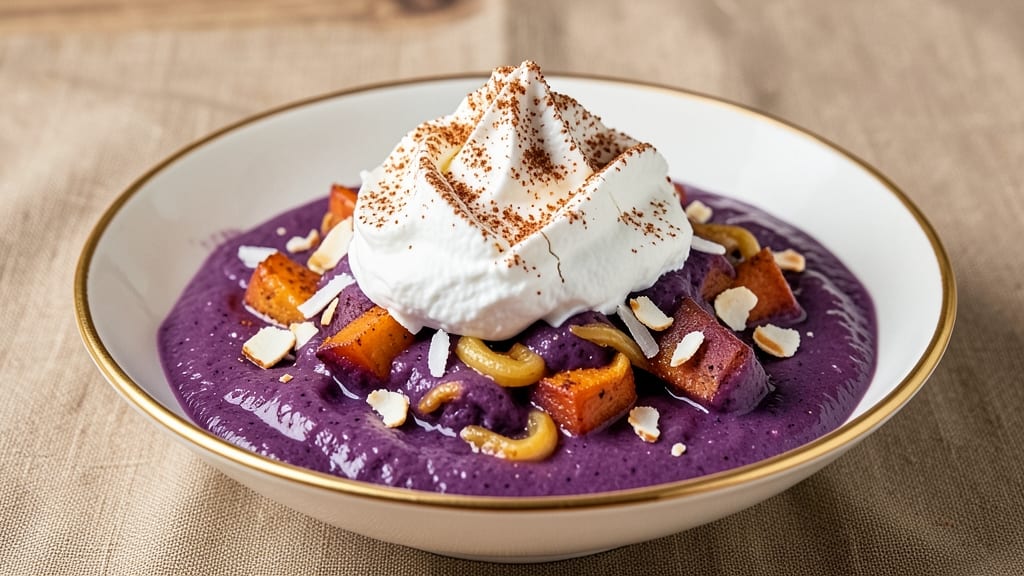
This sweet potato ube halaya recipe transforms humble ingredients into a velvety purple masterpiece that tastes like dessert but works as a side dish.
The secret lies in slow-cooking sweet potatoes and ube (purple yam) until they break down into a silky, jam-like consistency—rich, naturally sweet, and packed with warm cinnamon notes.
I perfected this version after testing countless methods, ensuring the texture is thick enough to hold its shape when spooned but still melts in your mouth.
The beauty of this recipe is its versatility—serve it warm alongside grilled chicken or pork, scoop it into ice cream for a tropical twist, or spread it on toast like jam.
The slow-cooking process (about 45 minutes) develops deep caramelized flavors, while the ube adds a vibrant purple hue and subtle vanilla-like sweetness. No special equipment is needed—just a pot, a wooden spoon, and patience for the best results.
What makes this halaya truly special is how it balances sweetness and depth—the sweet potatoes provide natural sugar, while cinnamon and a touch of salt enhance the flavors without overpowering.
The texture is the star: smooth, glossy, and just thick enough to cling to a spoon or drizzle elegantly over rice. Once you try it, you’ll understand why this dish is a staple in Filipino tables and a crowd-pleaser at any gathering.
For those short on time, a pressure cooker cuts the cooking time to 15 minutes while preserving the same rich flavor. The key is stirring occasionally to prevent sticking, and the result is just as luxurious. Ready to create this purple velvet dream? Let’s get started.
Ingredients for sweet potato ube halaya
Nine simple ingredients create this velvety purple masterpiece.
| Ingredient | Amount | Notes |
|---|---|---|
| Sweet Potatoes 🍠 | 2 lb | Medium, peeled and cubed |
| Ube (Purple Yam) 🍠 | 1 cup | Fresh, grated or frozen |
| Coconut Milk 🥥 | 1 can | Full-fat, 13.5 oz total |
| Granulated Sugar 🍚 | ½ cup | Adjust to taste |
| Ground Cinnamon 🌿 | 1 tsp | Ceylon cinnamon preferred |
| Salt 🧂 | ¼ tsp | Fine sea salt |
| Vanilla Extract 🍯 | ½ tsp | Pure vanilla preferred |
| Water 💧 | 1 cup | Room temperature |
| Unsweetened Coconut Flakes 🥥 | ¼ cup | Toasted for garnish |
| Fresh Lime Juice 🍋 | 1 tbsp | Freshly squeezed |
Ube is the star here—fresh is ideal but frozen works too (thaw and drain well). Asian markets usually carry it, or check the frozen section next to regular sweet potatoes. If you can't find ube, purple sweet potatoes (like Okinawan) are a decent substitute, though the flavor won't be identical. The sweet potatoes should be firm and vibrant orange—no shriveled or green-tinged ones. Coconut milk is non-negotiable for that creamy texture, so full-fat is a must—the lighter versions won't cut it. I grab mine from Trader Joe's because it's always fresh and affordable.
No Ceylon cinnamon? Regular ground cinnamon works fine, but it's slightly stronger. Want extra richness? Add 1 tbsp coconut cream to the coconut milk. Short on lime juice? A pinch of citric acid does the trick. The sugar amount is flexible—start with half a cup and adjust to taste at the end. If your halaya turns out too thick, stir in a splash of water or coconut milk. For a smoother texture, blend briefly with an immersion blender (no need to go full puree—just break up any lumps). The vanilla extract adds depth, but if you're out, a scratch-made vanilla sugar works too.
This keeps beautifully in the fridge for 5-6 days in an airtight container—it actually tastes better the next day as flavors meld. For longer storage, freeze in 1-cup portions for up to 3 months. Reheat gently in a saucepan over low heat, stirring occasionally. I like to serve it warm with a sprinkle of toasted coconut flakes—add them right before serving so they stay crisp. Leftovers? Scoop into ice cream or spread on toast like jam—it's that versatile.
Why You'll Love This Recipe
- One-Pot Magic: I swear by this recipe—just peel, chop, and simmer. No fancy equipment, no stress. The sweet potatoes and ube soften right into that velvety, caramelized mess with zero fuss.
- Creamy Dream Combo: That coconut milk and sugar blend turns into something ridiculously smooth—like dessert and comfort food had a baby. The cinnamon? It’s the secret that makes it taste like a hug in every bite.
- Leftovers That Work: Between us, this halaya actually gets better the next day. I stash it in jars and use it for oatmeal, pancakes, or just eat it straight with a spoon. (Yes, even on a Tuesday night.)
- Budget Bright Spot: Ube’s pricey, but a little goes a long way here. Sweet potatoes and coconut milk stretch the vibes, so you’re basically getting gourmet flavor for pennies. My wallet and taste buds win.
Step-by-step instructions for sweet potato ube halaya
This one-pot wonder delivers velvety purple perfection with minimal effort.
🍳 Step 1: Sauté the Ube and Sweet Potatoes
In a large, heavy-bottomed pot, combine the 2 lb sweet potatoes (already peeled and cubed) and the 1 cup ube (purple yam). Add the 1 can coconut milk and 1 cup water, then stir gently to coat everything evenly. The sweet potatoes should be fully submerged in the liquid.
Place the pot over medium heat and bring the mixture to a gentle simmer. I like to give it 5-7 minutes to start steaming before adding the spices. This initial cooking helps break down the ube's natural starches, which will create that signature silky texture later. Keep an eye on it—you want small bubbles forming at the edges but not a rolling boil.
🍳 Step 2: Season and Simmer Until Tender
Once the mixture is simmering gently, add the 0.5 cup granulated sugar, 1 tsp ground cinnamon, 0.25 tsp salt, and 0.5 tsp vanilla extract. Stir everything together until the sugar dissolves completely. The mixture should smell like a tropical dessert—sweet, spicy, and just a hint of coconut.
Reduce the heat to low and let it simmer uncovered for 45-60 minutes. You're looking for the sweet potatoes to become fork-tender with no resistance when pierced. If the mixture starts to look too thick, add 2-3 tablespoons of water to maintain the right consistency. The ube should be fully incorporated, giving the mixture that gorgeous purple hue.
🔥 Step 3: Blend to Silky Perfection
After the sweet potatoes are tender, let the mixture cool slightly for 5 minutes—this prevents splattering when you blend. Using an immersion blender, blend directly in the pot until completely smooth. If you don't have an immersion blender, carefully transfer the mixture to a countertop blender in batches, blending until silky.
Return the blended mixture to the pot and stir in the 1 tbsp fresh lime juice. This brightens the flavors and balances the sweetness. Taste and adjust the sugar if needed—some ube varieties are sweeter than others, so you might want to add a little more sugar or a pinch of salt to perfect the flavor. The halaya should be thick but still spoonable, like a luxurious pudding.
🥘 Step 4: Garnish and Serve Warm
Transfer the halaya to serving bowls and let it cool for 10 minutes. Before serving, sprinkle each portion with 0.25 cup unsweetened coconut flakes for texture and a touch of toasty flavor. I like to toast the coconut flakes in a dry skillet for 2-3 minutes until golden—this adds a lovely crunch that contrasts beautifully with the creamy halaya.
Serve warm with a scoop of vanilla ice cream or a dollop of whipped cream for the ultimate dessert experience. The halaya will continue to thicken as it cools, so it's best enjoyed while still warm and velvety. Store any leftovers in the refrigerator for up to 5 days—it actually tastes even better the next day!
Pro Tips For Making Sweet Potato Ube Halaya
- Peel Sweet Potatoes First: I learned this the hard way—peeling before cooking saves time and keeps your pot cleaner. Sweet potatoes release starch while cooking, which turns your halaya into a sticky mess if you wait.
- Simmer Slow and Low: After burning three batches, I finally figured out that 325°F (160°C) is the sweet spot. Too high, and your ube turns bitter; too low, and it never softens properly. Patience here makes all the difference.
- Grate Ube Fresh: Store-bought ube halaya powder lacks the texture and depth of fresh grated ube. If you’re short on time, use frozen ube (thawed and drained), but fresh is non-negotiable for that velvety consistency.
- Whisk in Coconut Milk Gradually: Dumping all the coconut milk at once makes your halaya separate. Instead, whisk in ¼ cup at a time while stirring constantly—this keeps it silky smooth, not curdled. (Yes, even if you’re impatient like me.)
Perfect pairings for this dish
Dessert Pairings
This halaya is pure dessert magic on its own, but it becomes even more decadent when paired with classic sweets. A scoop of vanilla bean ice cream from Ben & Jerry's or Breyer's adds a creamy contrast that balances the halaya's rich texture.
For a tropical twist, serve it alongside mango sticky rice—the sweet, chewy rice soaks up the halaya beautifully. 🍦
If you're feeling fancy, top your halaya with a dollop of whipped cream and a sprinkle of toasted coconut flakes for extra texture. The combination of warm halaya and cool whipped cream is a match made in dessert heaven.
I love serving it at parties as a warm dessert option—it’s always a hit!
Savory Pairings
Don’t underestimate this halaya’s versatility—it’s a fantastic side dish for savory meals too. Spoon it over grilled chicken or roasted pork for a sweet-and-savory balance that’s especially popular in Filipino cuisine. The natural sweetness of the halaya complements the smoky flavors of grilled meats perfectly. 🍗
For a vegetarian option, serve it alongside steamed white rice and a simple garlic sautéed greens dish. The halaya’s creamy texture and subtle cinnamon warmth make it an unexpected but delightful addition to a light lunch.
It’s a great way to introduce this dish to those who might not expect it as a side!
Beverage Pairings
To complement the halaya’s tropical sweetness, sip on a coconut milk latte or a strong cup of coffee—the creamy notes enhance the dish’s richness. For something lighter, try a mango lassi or a sparkling lychee drink to cut through the sweetness with a refreshing tang. 🍹
If you’re serving this at a gathering, a Filipino hot chocolate (made with tablea or dark chocolate) pairs wonderfully with the halaya’s cinnamon and vanilla flavors. The deep chocolate notes create a sophisticated contrast that elevates the dish to restaurant-quality status.
Breakfast Twist
Start your day with a sweet breakfast by spreading halaya on toasted brioche bread or pancakes—it’s like a cross between jam and pudding. The buttery bread soaks up the creamy halaya perfectly, making it a satisfying and unique morning treat. 🥞
For a heartier option, serve it with scrambled eggs and crispy bacon—the sweet and savory combo is surprisingly balanced. This breakfast hack is a game-changer for lazy mornings when you crave something sweet but don’t want a full dessert.
Nutrition facts
Frequently asked questions
Can I substitute regular sweet potatoes for purple sweet potatoes?
The recipe works best with regular sweet potatoes—they provide the ideal texture and natural sweetness. Purple sweet potatoes (like Okinawan) will change the color but may alter the flavor slightly. If you must substitute, use 2 extra sweet potatoes since they're less sweet and may need more sugar (3/4 cup instead of 1/2 cup). The ube gives the dish its signature purple hue and vanilla-like flavor, so don't skip it!
How do I fix halaya that's too thin or too thick?
For thin halaya, simmer uncovered for 5-10 more minutes to reduce the liquid. If it's still too runny, mix 1 tbsp cornstarch with 1 tbsp water, stir into the pot, and cook for 2-3 minutes until thickened. For thick halaya, stir in 1-2 tbsp water or coconut milk while warm. Always taste as you go—the perfect consistency is spoonable but still glossy, like thick pudding.
Can I make this halaya in an Instant Pot?
Combine all ingredients in your Instant Pot, set to high pressure for 12 minutes, then quick-release. After releasing, let the pot sit for 5 minutes, then blend until smooth. The texture may be slightly different (less silky) but still delicious. For extra richness, add 1 tbsp coconut cream at the end. The pressure cooker cuts time to just 20 minutes total!
Why does my halaya taste bland or lack sweetness?
Fresh ube and sweet potatoes vary in natural sweetness. If yours tastes bland, add 1-2 tbsp more sugar or a pinch of salt to balance flavors. For depth, stir in 1/2 tsp vanilla bean paste or a dash of cinnamon. Some ube varieties are more floral—if yours smells strongly of vanilla, reduce sugar slightly. Always taste before serving and adjust gradually.
How can I make this halaya vegan?
Replace coconut milk with full-fat coconut cream (vegan) and use agave syrup instead of sugar. For richness, add 2 tbsp vegan butter** at the end. The texture will be slightly lighter but still delicious. Garnish with toasted coconut flakes (naturally vegan) instead of whipped cream. The flavor remains vibrant—just expect a slightly different mouthfeel.