
Side Dishes
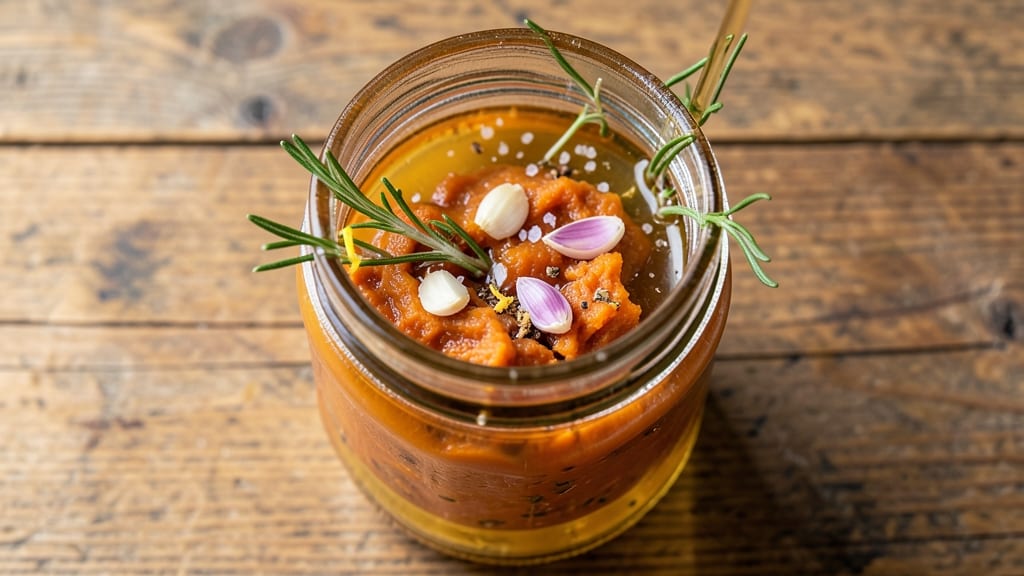
Fermenting sweet potatoes into vinegar transforms humble roots into a bright, tangy condiment that elevates roasted dishes, salads, and marinades. This simple yet sophisticated process yields a vinegar packed with depth—think of it as the secret weapon for restaurant-quality flavor at home.
The fermentation unlocks natural sweetness while developing complex acidity, creating a versatile glaze that caramelizes beautifully when roasted.
What makes this recipe stand out is its adaptability—you can customize the flavor profile with garlic, herbs, or spices during fermentation, tailoring it to your favorite dishes.
Unlike store-bought vinegars, this homemade version retains the earthy sweetness of sweet potatoes, making it ideal for glazing roasted vegetables, drizzling over grilled meats, or even brightening up vinaigrettes. The process is straightforward, but the results are anything but ordinary.
By the end, you’ll have a small-batch vinegar that’s richer and more nuanced than anything you’d find in a bottle. It pairs perfectly with roasted sweet potatoes, adding a glossy sheen and layers of flavor that turn simple sides into showstoppers.
The best part? It keeps well in the fridge for months, ready to enhance your cooking whenever inspiration strikes.
Whether you’re a fermentation novice or an experienced home cook, this recipe delivers restaurant-quality results with minimal effort. Let’s get started on turning those sweet potatoes into a condiment that will change how you season your meals.
Ingredients for sweet potato vinegar
Eight simple ingredients transform humble sweet potatoes into a vibrant, restaurant-quality glaze.
| Ingredient | Amount | Notes |
|---|---|---|
| Sweet Potatoes 🍠 | 2 lbs | Organic preferred, peeled and cubed |
| Filtered Water 💧 | 3 cups | Non-chlorinated for fermentation |
| Raw Apple Cider Vinegar 🍏 | ½ cup | Unpasteurized for starter culture |
| Sea Salt 🧂 | 1 tbsp | Non-iodized, fine grain |
| Garlic Cloves 🧄 | 3 cloves | Minced for fermentation boost |
| Fresh Rosemary 🌿 | ¼ cup | Chopped, for herbal depth |
| Cane Sugar 🍯 | ¼ cup | Organic preferred, for fermentation |
| Lemon Juice 🍋 | 2 tbsp | Freshly squeezed, for acidity |
| Brewer's Yeast 🍺 | 1 tsp | Optional, for enhanced fermentation |
The sweet potatoes are the heart of this recipe—organic varieties like Jewel or Beauregard work best, as their natural sweetness shines through during fermentation. Trader Joe's and Whole Foods carry excellent organic options, but any sweet potato will do in a pinch. Look for firm, unblemished roots; avoid any with soft spots or sprouts. Peeled and cubed, they'll ferment beautifully, unlocking their earthy sweetness while developing that bright tang. For extra depth, I always add a handful of fresh rosemary—it pairs perfectly with the sweet potato's natural flavors and adds a sophisticated herbal note.
No organic sweet potatoes? Conventional works fine, just give them a thorough rinse before peeling. Short on rosemary? Fresh thyme or oregano at half the amount delivers a similar earthy punch. The apple cider vinegar starter is crucial—Bragg or local unpasteurized brands work best, but any raw vinegar will do. Brewer's yeast is optional but worth it for a more robust fermentation; if you skip it, just let the process run a bit longer. The cane sugar feeds the fermentation, so don't substitute with artificial sweeteners—they won't support the microbial activity. For a smokier profile, add a dash of smoked paprika during the final straining step.
This vinegar keeps beautifully in the fridge for up to 6 months, with flavor actually improving over time. Store it in a sterilized glass jar with a tight seal to preserve its bright tang. For best results, use within 3 months for peak freshness, especially if you've added delicate herbs like rosemary. The glaze thickens as it sits, so give it a quick stir before using. A little goes a long way—start with 1-2 tablespoons per dish and adjust to taste. It's perfect for drizzling over roasted sweet potatoes, glazing grilled meats, or brightening up vinaigrettes—just like the intro promised!
Why You'll Love This Recipe
- I’ll be real: the vinegar and salt make this cheap to pull off, and sweet potatoes are one of the most budget-friendly veggies out there. Plus, no fancy equipment—just a jar and patience. My wallet and taste buds both win.
- Five-Ingredient Magic: I swear by this recipe because it’s that simple—just peel, slice, and soak. No peeling skills? No problem. The vinegar does half the work for you, tenderizing those sweet potatoes while you sip your coffee.
- Tangy Sweet Crunch: Between us, the combo of raw apple cider vinegar and roasted garlic turns this into something ridiculously good. It’s like a grown-up pickle—bright, slightly sweet, and with that deep umami kick that makes you reach for another spear.
- Meal Prep MVP: Honestly, this keeps for weeks in the fridge, so I make a big batch on Sundays. Toss it in salads, dip fries in it, or just snack straight from the jar—it’s my go-to for lazy lunches and last-minute appetizers.
Step-by-step instructions for fermented sweet potato vinegar
Transform humble sweet potatoes into a vibrant, tangy glaze with this fermentation method.
Prepare the Sweet Potato Base
In a large mixing bowl, combine the 2 lbs of peeled and cubed sweet potatoes with the 3 cups of filtered water. Use a potato masher or fork to break down the cubes into an even, chunky puree—you want texture but no large unbroken pieces. This creates surface area for fermentation.
Transfer the mixture to a clean, non-reactive container with a lid that allows air circulation (like a fermentation crock with a loose lid). I like to use a glass jar with a breathable cloth secured by a rubber band for this step. The goal is to create an environment where beneficial bacteria can thrive without contamination.
Add Fermentation Starters
To the sweet potato mixture, add the 0.5 cup of raw apple cider vinegar, 1 tbsp of sea salt, 3 minced garlic cloves, and 0.25 cup of chopped fresh rosemary. Stir thoroughly to distribute all ingredients evenly—this ensures balanced fermentation and flavor development throughout.
Next, dissolve the 0.25 cup of cane sugar in the 2 tbsp of lemon juice separately, then pour this mixture into the container. The sugar provides food for the yeast, while the lemon juice creates the ideal acidic environment for fermentation. Finally, sprinkle in the 1 tsp of brewer's yeast (if using) and stir one last time to fully incorporate everything.
Ferment at Room Temperature
Cover the container loosely and place it in a dark, warm spot (around 70-75°F) for 5-7 days. You'll notice bubbles forming on the surface and a tangy aroma developing—this is fermentation in action. I check it daily, giving it a gentle stir to prevent mold formation and ensure even fermentation.
After 5 days, taste the mixture. It should be developing a pleasant sourness with sweet potato notes. If you prefer a stronger vinegar flavor, continue fermenting for 2-3 more days. The longer it ferments, the more complex the flavor becomes, but don't exceed 10 days or the vinegar may become overly acidic.
Strain and Bottle the Vinegar
Once fermentation is complete, strain the mixture through a fine-mesh sieve or cheesecloth into clean glass bottles. Press the solids gently to extract all the liquid—this ensures you capture every drop of flavorful vinegar. The strained liquid should be a beautiful amber color with a bright, tangy aroma.
Store the bottled vinegar in a cool, dark place. It will continue to develop flavor over time, but it's ready to use immediately as a glaze for roasted sweet potatoes, a marinade, or a salad dressing. The vinegar keeps well for up to 6 months in the refrigerator, with flavor intensifying as it ages.
Pro Tips For Making Sweet Potato Vinegar
- Peel After Cooking: DESCRIPTION: Sweet potatoes are stubborn—peeling them raw makes them bruise and oxidize fast. Instead, boil or steam them whole until tender, then slip off the skin with a knife. The flesh stays intact, and you avoid messy peeling while keeping more nutrients locked in.
- Vinegar Ratio Matters: DESCRIPTION: Too much apple cider vinegar? Your sweet potatoes turn mushy. Stick to 1 part raw vinegar to 3 parts water—no more. I learned this after overdoing it and ending up with a sad, watery mess. Taste as you go; acidity builds fast.
- Crush Garlic, Don’t Mince: DESCRIPTION: Whole garlic cloves won’t infuse properly in this recipe. Smash them with the flat side of your knife first—this releases flavor without turning your vinegar into a paste. Skip the food processor unless you want a chunky, uneven texture.
- Salt in Stages: DESCRIPTION: Dumping all the sea salt at once makes the vinegar taste harsh. Start with half the amount, let the sweet potatoes soak for 10 minutes, then add the rest. This balances the acid and lets the flavors meld without overpowering the natural sweetness.
Health benefits of sweet potato vinegar
Rich in Antioxidants
Sweet potato vinegar is a powerhouse of antioxidants like beta-carotene and vitamin A, which help combat oxidative stress in your body. A 2-tablespoon serving provides about 15% of your daily vitamin A needs, supporting immune function and skin health.
The fermentation process actually increases antioxidant bioavailability, making it easier for your body to absorb these nutrients. 💛
Digestive Health Booster
Fermented foods like sweet potato vinegar contain probiotic cultures that promote gut health by balancing your microbiome. The natural acids and enzymes from fermentation aid digestion, reducing bloating and improving nutrient absorption. I notice my digestion feels lighter after incorporating fermented vinegars into my meals regularly.
Blood Sugar Support
Unlike regular vinegar, this sweet potato version retains some of the root's fiber content (about 3g per serving), which helps stabilize blood sugar levels. The fermentation process also creates acetic acid, which has been shown to improve insulin sensitivity.
This makes it an excellent choice for those monitoring blood sugar or managing diabetes.
Anti-Inflammatory Properties
The combination of rosemary's rosmarinic acid and sweet potato's polyphenols creates an anti-inflammatory powerhouse. Regular consumption may help reduce chronic inflammation in the body. I've found it particularly helpful when added to post-workout meals to reduce muscle soreness.
Rich in Electrolytes
This homemade vinegar contains natural potassium (from sweet potatoes) and sodium (from sea salt), making it an excellent electrolyte replenisher. After intense workouts, I mix 1 tablespoon with water for a refreshing, natural sports drink that's far more nutritious than commercial options.
Versatile Nutrient Delivery
Unlike store-bought vinegars that are often pasteurized and stripped of nutrients, this version retains vitamin C, magnesium, and iron from the sweet potatoes. The fermentation process even creates beneficial B vitamins that support energy metabolism.
It's a nutrient-dense condiment that elevates any dish while contributing to your daily nutritional needs. ✨
Nutrition facts
Frequently asked questions
Can I use regular vinegar instead of apple cider vinegar as a starter?
No, you should always use raw, unpasteurized apple cider vinegar as your starter. The live cultures in unpasteurized vinegar kickstart fermentation, while regular vinegar is pasteurized and won't support microbial activity. If you only have white vinegar, add 1 teaspoon of sugar and 1 teaspoon of yeast to help jumpstart the process, but the flavor won't be as authentic.
How do I know when the fermentation is complete?
Your vinegar is ready when it develops a bright tangy aroma and bubbles slow down (around 5-7 days). Taste it—it should have a balanced mix of sweetness and acidity. If it's still too sweet after 7 days, ferment 2-3 more days. Never exceed 10 days, or the vinegar may become overly sharp. A properly fermented batch will have a golden-amber hue and a clean, vinegary scent.
What can I do if mold appears during fermentation?
If you spot mold (fuzzy spots or discoloration), discard the batch immediately—it means harmful bacteria have taken over. To prevent mold, always use sterilized equipment, keep your workspace clean, and stir daily to prevent a skin from forming. If your kitchen is humid, ferment in a cooler spot (68-72°F) to slow down microbial activity. A little mold is normal in fermentation, but only if it's white or gray (like a thin film)—never fuzzy or colorful.
Can I adjust the flavor profile after fermentation?
Yes! Once strained, you can enhance the vinegar by adding 1 teaspoon of liquid smoke for a smoky twist, ½ teaspoon of chili flakes for heat, or 1 tablespoon of honey to balance acidity. For a herby version, infuse with fresh thyme or bay leaves for 24 hours before using. Just remember, any additions will reduce shelf life—consume within 2-3 weeks if you modify the vinegar after straining.
How much vinegar should I use for roasting sweet potatoes?
Start with 1-2 tablespoons of sweet potato vinegar per pound of sweet potatoes when roasting. Brush it on lightly before adding spices, then roast at 400°F for 30-40 minutes until caramelized. For extra gloss, mix the vinegar with 1 tablespoon of maple syrup before brushing. The vinegar creates a sticky, caramelized crust that's irresistibly crispy on the outside and tender inside.