Side Dishes
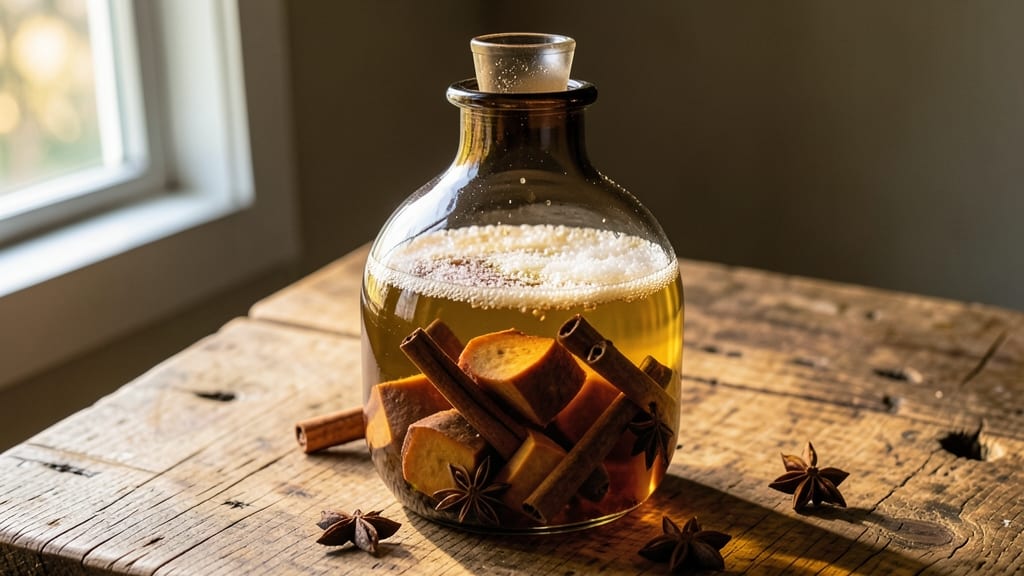
This sweet potato wine recipe transforms humble root vegetables into a complex, spiced elixir with just 8 weeks of patience. The process begins with carefully peeled and cooked sweet potatoes, their natural sugars providing the perfect fermentation base.
Unlike commercial wines, this homemade version develops layers of caramel and spice that evolve over time—think of it as liquid autumn in a bottle.
What makes this recipe stand out is the balance between tradition and approachability. You’ll work with simple ingredients—sweet potatoes, yeast, and basic spices—but the fermentation process demands precision in sanitation and timing. The result?
A wine with 12-15% alcohol that’s smooth enough for sipping neat or bold enough to stand up in cocktails. Each batch develops unique character based on your spice choices, from cinnamon warmth to ginger’s bright kick.
The real magic happens during the aging phase, where flavors meld and tannins soften. This isn’t an instant gratification recipe—it requires two months of careful monitoring, but the payoff is a drink that tastes like autumn harvests and cozy evenings.
Whether you’re fermenting for the first time or refining your technique, this method delivers professional-quality results at home.
Safety is paramount, so we’ll cover proper sanitation, yeast selection, and alcohol content monitoring in detail. Once complete, you’ll have a versatile wine that pairs beautifully with spiced desserts or elevates holiday cocktails. Ready to ferment something extraordinary?
Ingredients for sweet potato wine
Eight weeks of fermentation transforms these simple ingredients into a sophisticated spiced wine.
| Ingredient | Amount | Notes |
|---|---|---|
| Sweet Potatoes 🍠 | 4 lb | Organic preferred, skin-on |
| Distilled Water 💧 | 1 gallon | Chlorine-free preferred |
| Active Dry Yeast 🍞 | ½ oz | Lalvin EC-1118 or similar |
| Granulated Sugar 🍚 | 2 cups | Organic cane sugar preferred |
| Cinnamon Sticks 🌿 | 4 whole | Ceylon cinnamon preferred |
| Star Anise Pods 🌟 | 2 whole | Whole, not ground |
| Cloves 🌶️ | 8 whole | Whole, not ground |
| Orange Peel 🍊 | 1 whole | Organic, no pith |
| Campden Tablets 💊 | 2 whole | Potassium metabisulfite |
| Lemon Juice 🍋 | 2 tbsp | Freshly squeezed |
| Glycerin 🧴 | 1 tbsp | Food-grade, 99% pure |
| Pectic Enzymes 🧪 | 1 tsp | Optional for clarity |
Sweet potatoes are the foundation—organic, skin-on varieties like Beauregard develop the deepest caramel notes during fermentation. Local farmers markets often carry heirloom varieties with superior flavor. The yeast selection is critical; Lalvin EC-1118 from Lallemand delivers consistent results, but Red Star Premier Cuvee works well too. For the spices, Penzeys Spices offers high-quality whole spices that infuse better than pre-ground. The Campden tablets must be added to the water first—they release sulfur dioxide, which prevents oxidation and kills wild yeast. Handle them carefully; they dissolve completely.
No Campden tablets? Potassium metabisulfite powder works at half the weight, but measure precisely—too much can over-sulfur your wine. Substituting organic sugar? Honey or maple syrup at equal volume alters fermentation dynamics slightly, but the flavor profile becomes more complex. The orange peel should be organic to avoid pesticide residue; Trader Joe's carries organic peels year-round. For a drier wine, reduce sugar to 1.5 cups. Want more spice? Add 1 tsp ground ginger or 1 whole vanilla bean. The glycerin is optional but helps stabilize the wine during aging—McCormick sells food-grade glycerin in most pharmacies. Pectic enzymes, if used, should be added after primary fermentation begins.
Sanitation is paramount—sterilize all equipment with boiling water or Star San. The fermentation vessel should be food-grade plastic or glass, never metal. Store in a cool, dark place between 68-75°F during primary fermentation. After 7 days, transfer to a glass carboy with an airlock. The wine will continue fermenting for 6-8 weeks, then age for 3-6 months before bottling. Once opened, store in the fridge and consume within 1 week—the alcohol content won't preserve it indefinitely. For extended storage, use oxygen absorbers in the bottles.
Why You'll Love This Recipe
- I’ll be real: this recipe turns ingredients I already own into something special with zero extra shopping. Sweet potatoes, sugar, and cinnamon sticks? You’re basically brewing gold from your spice rack.
- Pantry-to-Pour Magic: I’ll be real: this recipe turns ingredients I already own into something special with zero extra shopping. Sweet potatoes, sugar, and cinnamon sticks? You’re basically brewing gold from your spice rack.
- Warmth in a Glass: That first sip—sweet, spiced, with just a hint of fermented depth—feels like a hug. The cinnamon sticks infuse the whole batch, so every glass tastes like autumn in a mug.
- Weekend Project, Everyday Payoff: I’ve made this for holiday gatherings (impressive!) and lazy Sundays (just me, a book, and a glass). The yeast does the heavy lifting while you relax—no babysitting required.
Step-by-step instructions for fermenting sweet potato wine
Transform humble sweet potatoes into a rich, spiced elixir with this precise fermentation method.
Prepare the Sweet Potatoes and Sanitize Equipment
Peel and dice the 4 lb sweet potatoes into ½-inch cubes, ensuring uniform size for even fermentation. Transfer them to a large sanitized fermentation vessel—glass or food-grade plastic is ideal. I use a 2-gallon demijohn with an airlock, but a clean bucket with a fermentation lid works too.
Add 1 gallon distilled water and the 2 whole Campden tablets, crushing them between your fingers to dissolve completely. These tablets act as a preservative, preventing unwanted bacteria and wild yeast from taking over. Stir gently to distribute, then cover loosely and let sit at room temperature for 24 hours. This step creates the ideal environment for your primary yeast culture to dominate.
Add Spices and Sugar for Flavor Development
After 24 hours, remove the sweet potato cubes with a sanitized slotted spoon and transfer them to a clean fermentation vessel. To the original liquid, add the 2 cups granulated sugar, 4 whole cinnamon sticks, 2 whole star anise pods, 8 whole cloves, and 1 whole orange peel. Stir thoroughly to dissolve the sugar completely—this feeds the yeast during fermentation.
Return the sweet potato cubes to the vessel and pour the spiced liquid over them. The spices should be fully submerged. Add the 2 tbsp lemon juice—this lowers the pH slightly, creating a more stable fermentation environment and enhancing flavor complexity. Cover the vessel with a fermentation lid or airlock and let it sit at 70-75°F for 48 hours to allow the spices to infuse.
Pitch the Yeast and Initiate Fermentation
After the 48-hour infusion, sprinkle the 0.5 oz active dry yeast evenly over the surface of the liquid. The yeast should float on top initially. Seal the vessel with an airlock filled with water—you should see bubbles within 12-24 hours, indicating active fermentation. This is the moment the transformation begins.
Store the vessel in a dark, temperature-stable location. Fermentation will be vigorous at first, with bubbles rising steadily through the airlock. After 3-5 days, the bubbling will slow significantly. This is your cue to add the 1 tbsp glycerin and 1 tsp pectic enzymes—these enhance mouthfeel and clarity. Stir gently to distribute, then reseal and continue fermenting for 4-6 weeks, until the bubbles become sporadic.
Rack and Age for Clarity and Complexity
Once fermentation slows to 1-2 bubbles per minute, it's time to rack. Carefully siphon the wine into a clean, sanitized vessel, leaving behind the sediment and sweet potato solids. This step removes impurities and improves clarity. Return the wine to the fermentation vessel, seal with a new airlock, and let it age for 2-4 weeks in a cool, dark place.
Taste after 2 weeks—you'll notice a developing balance of sweet potato earthiness, warm spices, and citrus brightness. If it tastes too harsh or unbalanced, add ½ cup additional granulated sugar to the vessel, stir, and reseal for another 2 weeks of fermentation. The wine should be ready to bottle when it's clear and tastes fully integrated, typically after 8 weeks total. Bottle into sterilized swing-top bottles and store in a cool, dark place for at least 3 months before drinking to allow flavors to mature.
Pro Tips For Making Sweet Potato Wine
- PEEL AND GRATE SMALL: Sweet potatoes have tougher skins than regular potatoes—don’t waste time peeling them all. Use a vegetable peeler to remove just the thickest parts, then grate the rest into thin strips. This cuts prep time in half and keeps more of the flavorful flesh.
- STERILIZE EVERYTHING FIRST: I learned this the hard way—contaminated equipment ruins fermentation. Boil your fermenter, utensils, and even the cinnamon sticks in distilled water for 10 minutes before adding anything. No shortcut here; wild yeast or bacteria will turn your wine into vinegar.
- WAIT FOR 78°F WATER: Pitching yeast into water that’s too hot or too cold kills it before it even starts working. Use a thermometer to confirm the water is exactly 78°F (25°C) before dissolving the sugar and adding the yeast. Cold water slows fermentation; hot water cooks the yeast alive.
- USE AIRLOCK AFTER 48 HOURS: The first two days of fermentation are messy—frothy, bubbly, and prone to spills. After 48 hours, when the initial rush slows, swap to an airlock. This keeps oxygen out while letting CO₂ escape, preventing off-flavors and making cleanup easier. (Yes, even if you’re impatient like me.)
Troubleshooting this dish
Stuck Fermentation
If your sweet potato wine stops bubbling after 24-48 hours, it’s likely due to yeast starvation or temperature issues. First, check the temperature—if it’s below 68°F, move your vessel to a warmer spot.
If the liquid is still clear and no bubbles appear after 3 days, add ½ cup additional sugar and ¼ oz more yeast, then stir gently. This jumpstarts fermentation.
If the smell is off (vinegary or rotten), you may have bacterial contamination—discard and sanitize everything thoroughly before restarting. 💡
Cloudy or Hazy Wine
Cloudiness usually means insufficient racking or yeast sediment hasn’t settled. After primary fermentation, rack your wine every 2-4 weeks for 3-4 months to remove sediment. If the haze persists, add ½ tsp pectic enzymes during racking to help clarify.
Avoid cold crashes (rapid chilling)—this can cause protein haze. For extra clarity, use a fine wine filter before bottling, but taste first to ensure no flavor is lost. ✨
Overly Tart or Sour
An overly tart or sour taste often signals excessive acidity or bacterial spoilage. If you used too much lemon juice (more than 2 tbsp), dilute the wine by adding ½ cup water per gallon and let it ferment another 2 weeks.
For bacterial issues, the wine may smell like vinegar or rotten fruit. Unfortunately, this batch is likely ruined—discard and start fresh with better sanitation. To prevent this, always use chlorine-free water and sterilize equipment with Star San. 🍋
Weak Alcohol Content
If your wine tastes too sweet or has low alcohol (below 8%), it likely didn’t ferment long enough or lacked sufficient yeast. To fix future batches, extend fermentation to 6-8 weeks and ensure the yeast is fully submerged. Add ½ cup more sugar if fermentation stalls, then repitch yeast.
For testing alcohol content at home, use a hydrometer—aim for a starting gravity of 1.080-1.090 (about 12-15% ABV after fermentation). If your batch is already weak, blend it with a stronger wine or reduce it with simple syrup for cocktails. 🍷
Mold or Moldy Smell
Mold or a musty, earthy smell means contamination from wild yeast or bacteria. If you spot mold (fuzzy spots or discoloration), discard the batch immediately—mold produces toxins dangerous to consume. To prevent this, always sanitize equipment with boiling water or Star San, and avoid leaving the vessel uncovered.
Use an airlock to keep oxygen out, and store your wine in a cool, dark place (ideal temp: 68-75°F). If you suspect contamination early, add ½ tsp potassium metabisulfite per gallon to halt fermentation and prevent spoilage. ⚠️
Nutrition facts
Frequently asked questions
Can I use regular potatoes instead of sweet potatoes for this wine?
No, regular potatoes won't work well because they lack the natural sweetness and complex caramel notes that develop during fermentation. Sweet potatoes contain more sugars and a unique earthy flavor that transforms beautifully into wine. The starch content in regular potatoes would also create a much thinner, less flavorful result.
How do I know when the fermentation is complete?
Fermentation is complete when the airlock stops producing bubbles for 24-48 hours and the wine smells clean and fruity (not vinegary or yeasty). Use a hydrometer to check specific gravity—when it stabilizes at 0.990-0.995, fermentation is done. Taste testing is also key: the wine should be slightly sweet but not overly so.
What if I don't have Campden tablets? Can I substitute them?
Yes, you can substitute with potassium metabisulfite (½ tsp per gallon) or ascorbic acid (vitamin C) (1 tsp per gallon). These work similarly to kill wild yeast and bacteria. If you have neither, boil your water for 10 minutes to remove chlorine and let it cool before using. The wine may ferment slightly faster without them, so monitor closely.
How long will my sweet potato wine keep after opening?
Once opened, store your wine in the refrigerator where it will last 1-2 weeks. The alcohol content helps preserve it, but oxidation will gradually reduce quality. For longer storage, transfer to a sterilized bottle with an airtight seal and refrigerate. If you notice off flavors (vinegar, mold), discard it immediately.
Can I add other fruits or spices beyond what's listed?
Try adding 1 cup chopped apple or pear for extra sweetness, or experiment with vanilla bean, cardamom, or nutmeg for deeper complexity. Just maintain the same proportions—if adding more spices, reduce sugar slightly. Common additions include ginger (½ inch fresh), black peppercorns (1 tsp), or even a splash of bourbon (½ cup) for aging. Always taste test during fermentation.