
Soups & Stews
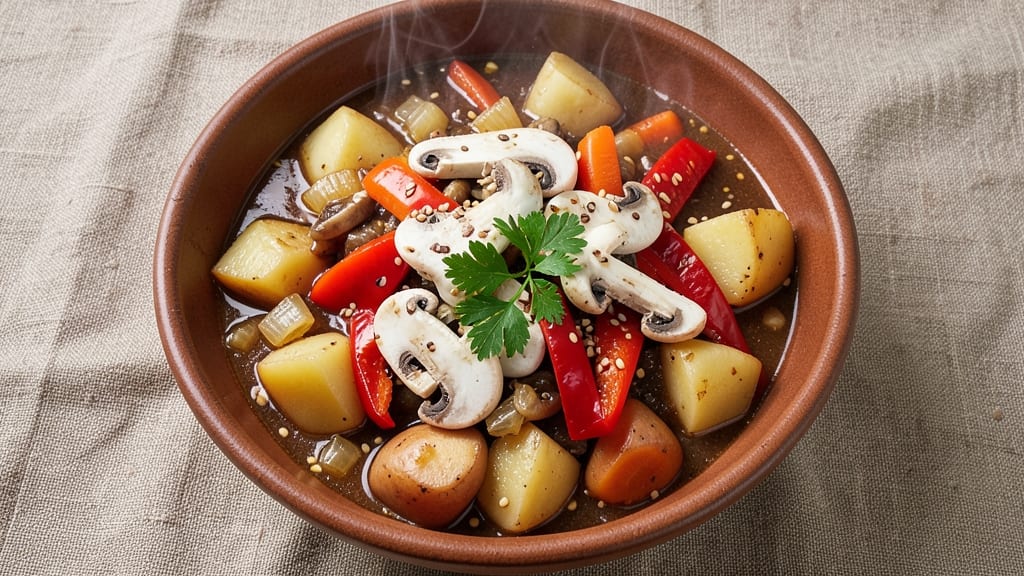
This vegan potato stew recipe transforms humble roots into a creamy, spiced masterpiece using coconut milk instead of dairy. The secret lies in slow-simmered flavors—caramelized onions, earthy mushrooms, and aromatic spices that meld into a rich, velvety broth.
What makes it special is how simple ingredients like potatoes, carrots, and celery become the foundation for a dish that's both comforting and sophisticated.
The creamy texture comes from coconut milk, which adds a subtle sweetness that balances the savory spices. Unlike traditional stews, this version skips butter entirely, using olive oil and vegetable broth for depth without relying on animal products.
The long simmering time—about 45 minutes—allows the potatoes to soften while absorbing all the flavors, resulting in tender, melt-in-your-mouth bites.
What you’ll end up with is a hearty, warming stew that’s perfect for chilly evenings or meal prep. The coconut broth adds a unique richness, while the spices—think cumin, paprika, and thyme—give it layers of warmth.
It’s the kind of dish that feels indulgent but stays light, making it ideal for both weeknight dinners and cozy gatherings.
Serve it with crusty bread to soak up every last drop of that creamy coconut broth, or pair it with a simple green salad for balance.
The beauty of this recipe is its versatility—add lentils for extra protein, swap in sweet potatoes for variety, or keep it classic with just the roots. Let’s get cooking!
Ingredients for vegan potato stew
Simple roots and aromatic spices create a velvety coconut-infused stew that's hearty yet light.
| Ingredient | Amount | Notes |
|---|---|---|
| Yellow Onions 🧅 | 1 ½ cups | Diced, caramelized for depth |
| Red Bell Pepper 🍆 | 1 whole | Diced, for sweetness and color |
| Garlic Cloves 🧄 | 4 cloves | Minced, aromatic base |
| White Mushrooms 🍄 | 8 oz | Sliced, earthy flavor |
| Russet Potatoes 🥔 | 2 lb | Cubed, waxy for texture |
| Carrots 🥕 | 2 whole | Peeled, sliced into rounds |
| Celery Stalks 🧅 | 3 whole | Diced, classic mirepoix |
| Coconut Milk 🥥 | 1 can | Full-fat for creaminess |
| Vegetable Broth 💧 | 3 cups | Low-sodium preferred |
| Extra-Virgin Olive Oil 🫒 | ½ cup | For sautéing vegetables |
| Ground Cumin 🌿 | 1 tbsp | Toasted for warmth |
| Smoked Paprika 🌶️ | 1 tbsp | For depth of flavor |
| Fresh Thyme 🌿 | ¼ cup | Chopped, or dried equivalent |
| Sea Salt 🧂 | 1 ½ tsp | Adjust to taste |
| Black Pepper 🌶️ | ½ tsp | Freshly ground |
| Lemon Juice 🍋 | 1 tbsp | Brightens the stew |
The onions and carrots form the base, so don’t skimp on quality. Yellow onions with a sharp bite work best—avoid sweet varieties like Vidalia. For mushrooms, cremini or shiitake add even more depth, but white mushrooms are fine. The potatoes should be uniform in size so they cook evenly. Russet potatoes hold their shape better than reds, but Yukon Golds add a buttery note. Caramelizing the onions for about 20 minutes brings out their natural sweetness—this is where the magic happens. If you're short on time, a quick sauté still works, but the flavor won't be as complex.
No fresh thyme? Dried thyme at one-third the amount is a solid swap, though fresh has a brighter flavor. Running out of smoked paprika? Regular paprika plus a pinch of liquid smoke mimics the smoky profile. For extra protein, add 1 cup cooked lentils or 1/2 lb chickpeas at the end. The coconut milk can be substituted with cashew cream (blend soaked cashews with water), though the texture will be slightly lighter. If you prefer a thicker stew, simmer uncovered for the last 10 minutes to reduce the broth. The lemon juice is optional but cuts through the richness beautifully.
This stew tastes even better the next day as flavors meld. Store in an airtight container in the fridge for up to 5 days, or freeze for 3 months. For meal prep, portion into individual containers—just reheat with a splash of water or broth to restore creaminess. The coconut milk separates when refrigerated, so give it a stir before reheating. Leftovers reheat beautifully in a pot on the stove or microwave, but stovetop is best for even heating. Serve with crusty bread or over quinoa to soak up every last drop of that creamy coconut broth.
Why You'll Love This Recipe
- One-Pot Magic: I swear by this recipe when I’m too tired to wash a million dishes—just chop, sauté, and simmer. The onions and bell pepper soften into the potatoes, so you barely even notice the cleanup.
- Umami Bomb: That earthy combo of mushrooms and garlic? It’s what turns this from "vegan stew" to "I’ll have another bowl" territory. The Russets soak up all the savory goodness like a sponge.
- Meal Prep MVP: Between us, this is my go-to for lunches all week. The flavors actually get better after a day or two in the fridge—perfect for tossing in a thermos or reheating for dinner.
- Budget-Friendly Feast: Potatoes, onions, and mushrooms? Check. Affordable, filling, and packed with flavor without breaking the bank. Honestly, I make this when I’m pinching pennies, and no one ever complains.
Step-by-step instructions for vegan potato stew
Transform simple roots into a rich, velvety stew using this precise method.
Develop Deep Flavor with Caramelized Vegetables
Heat the 0.5 cup extra-virgin olive oil in a large Dutch oven over medium-low heat. Add the 1.5 cups diced yellow onions and cook for 10-12 minutes, stirring occasionally, until they turn a deep golden brown. This slow caramelization builds complex sweetness that forms the stew's foundation.
Push the onions to one side of the pot and add the 0.5 cup extra-virgin olive oil remaining in the can (don't waste it!). Add the 3 whole celery stalks, 2 whole carrots, and 1 whole red bell pepper, all diced. Cook for 8-10 minutes until the vegetables soften and begin to release their juices. You'll notice the aromas intensify—this is where the stew's character develops.
Build the Aromatic Base
Add the 8 oz sliced white mushrooms and cook for 5 minutes until they release their moisture and begin to brown. Stir in the 4 cloves minced garlic and cook for 30 seconds until fragrant—don't let it burn, or you'll get bitter flavors.
Sprinkle in the 1 tbsp ground cumin and 1 tbsp smoked paprika, stirring constantly for 1 minute to toast the spices. This step awakens their flavors and prevents them from settling at the bottom. The spices should smell warm and earthy, not harsh.
Add Potatoes and Seasonings
Add the 2 lb cubed russet potatoes to the pot, stirring to coat them evenly with the caramelized vegetables and spices. Sprinkle in the 1.5 tsp sea salt and 0.5 tsp black pepper, then add the 3 cups vegetable broth. The liquid should come about halfway up the potatoes—if not, add a splash of water.
Bring the mixture to a gentle simmer over medium heat. Once bubbling, reduce heat to low and partially cover the pot. Let it simmer for 20 minutes until the potatoes begin to soften but aren't fully cooked through. This gradual cooking ensures tender potatoes without breaking them apart.
Finish with Creamy Coconut and Fresh Herbs
Add the 1 can coconut milk and the 0.25 cup chopped fresh thyme, stirring gently to combine. The coconut milk will create a luxurious creaminess that balances the earthy vegetables. Let the stew simmer uncovered for another 15-20 minutes until the potatoes are fork-tender and the sauce has thickened slightly.
Stir in the 1 tbsp lemon juice just before removing from heat. This brightens the flavors and cuts through the richness of the coconut milk. Taste and adjust the seasoning if needed—you might want to add a pinch more salt or a crack of pepper to balance the flavors.
Rest and Serve with Perfect Texture
Remove the stew from heat and let it rest for 10 minutes before serving. This resting period allows the flavors to meld and the potatoes to absorb any remaining liquid, ensuring each bite is perfectly tender. The stew will thicken slightly as it rests, creating an ideal consistency.
Serve the stew hot, garnished with additional fresh thyme if desired. Each spoonful should deliver tender potatoes, caramelized vegetables, and a velvety coconut broth that coats your mouth with every bite. Pair with crusty bread to soak up every last drop of this hearty, comforting dish.
Pro Tips For Making Vegan Potato Stew
- Sear the Mushrooms First: I learned this the hard way—adding mushrooms last means they’ll turn into sad, waterlogged mush. Sauté them with the onions and bell pepper until they release their moisture and develop a golden crust. That’s when their flavor actually comes alive.
- Cut Potatoes Evenly: Russets break apart when overhandled, so aim for 1.5-inch chunks—not too big, not too small. Uniform size guarantees even cooking, so you’re not left with some al dente cubes and others falling apart. (Yes, even if you’re impatient like me.)
- Don’t Crowd the Potatoes: After burning three batches, I finally figured out that potatoes need space to crisp. Pile them in too tight, and you’ll end up with gluey, starchy water instead of a rich, velvety stew. Cook in batches if needed—your future self will thank you.
- Deglaze with Vegan Broth: Sounds weird, but it works: after browning the onions and peppers, splash in ½ cup of vegan broth instead of water. The residual fond clings to the pan, deepening the flavor without extra salt. Skip this, and you’re basically drinking watered-down potato soup.
Dietary considerations for this recipe
Gluten-Free Foundation
This vegan potato stew is naturally gluten-free as long as you use certified gluten-free vegetable broth and coconut milk. Always check labels—many broths contain wheat-based thickeners. I recommend Imagine or Pacific Foods brands for reliable gluten-free options.
The recipe avoids all wheat, barley, and rye, making it safe for celiacs or those with gluten sensitivities. 🌱
Nut-Free Adaptations
While coconut milk provides creaminess, you can easily make this nut-free by substituting with cashew cream (blend soaked cashews with water) or simply more vegetable broth. For a thicker texture without nuts, mash ½ cup cooked white beans directly into the stew.
This maintains the hearty consistency while keeping the dish nut-free for allergies.
Soy-Free Options
Traditional soy-based thickeners like miso aren't needed here, but always verify your vegetable broth is soy-free. For extra depth, stir in 1 tbsp nutritional yeast at the end—it adds a cheesy, umami flavor without soy. The coconut milk and caramelized vegetables already create enough richness to skip soy entirely.
Low-FODMAP Adjustments
For low-FODMAP diets, swap onions and garlic for 1 cup leek greens (only the light green parts) and 2 cloves garlic-infused oil. Use carrot and celery as your base vegetables instead.
The potatoes and coconut milk remain safe, but check your broth for high-FODMAP ingredients like garlic or onion powder.
High-Protein Boosts
Add 1 cup cooked lentils or ½ lb chickpeas for extra protein without dairy or meat. These legumes blend seamlessly into the coconut broth while adding fiber.
For a smoky twist, use smoked lentils—they pair perfectly with the paprika and cumin. The stew will feel even more satisfying while staying plant-based. 💪
Nutrition facts
Frequently asked questions
Can I make this stew without coconut milk?
For a lighter version, replace the coconut milk with 1 cup cashew cream (blend soaked cashews with water) or simply use 1 extra cup vegetable broth. The stew will be thinner but still flavorful. If you want creaminess without coconut, try ½ cup blended silken tofu mixed with ½ cup broth—it adds protein and a smooth texture.
How do I prevent the potatoes from turning mushy?
Cut the potatoes into even-sized cubes (about 1.5-inch pieces) so they cook uniformly. Start them in boiling water for 5 minutes before adding to the stew to partially cook them, then finish in the pot. Also, simmer on low heat and avoid stirring too much—this keeps their structure intact.
What's the best way to reheat leftovers?
Reheat gently on the stovetop over low heat with a splash of water or broth to restore creaminess. Stir occasionally to prevent sticking. Microwaving works too—cover with a damp paper towel and heat in 30-second intervals, stirring between each. Never reheat to a boil, or the coconut milk may separate. Stir well before serving.
Can I add meat substitutes like seitan or tempeh?
Yes! Add ½ lb cubed tempeh (pan-fry first for texture) or ½ cup cooked seitan at the end to soak up flavors. For extra heartiness, try smoked tofu or mushroom-based meat substitutes. Just add them in the last 10 minutes of cooking to prevent overcooking.
Why does my stew taste too bland?
First, check your seasoning—add ½ tsp more smoked paprika or 1 tsp soy sauce (if not soy-free) for depth. A squeeze of lemon juice or splash of apple cider vinegar brightens flavors. For umami, stir in 1 tbsp nutritional yeast or a pinch of kelp powder. Taste as you go!