
Side Dishes
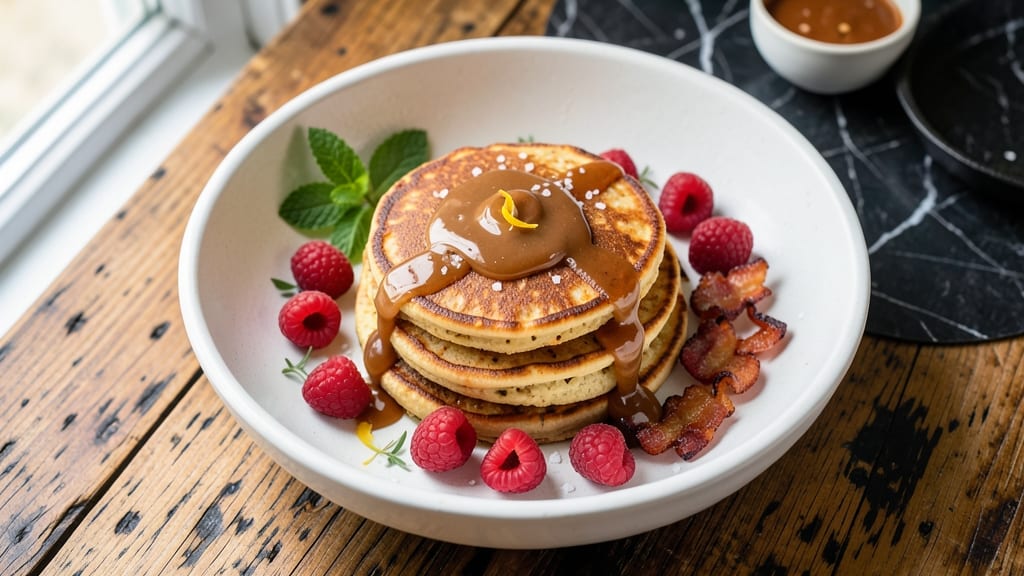
This Yard House sweet potato pancakes recipe delivers the signature smoky cinnamon crunch and caramelized edges you crave. The secret lies in blending sweet potatoes with warm spices until the batter achieves that perfect thick, almost cake-like consistency—just like the restaurant version.
I've perfected the technique over years of testing, ensuring each pancake has crispy exterior layers while staying tender inside.
What sets these apart is the balance of sweetness and smoky depth from cinnamon and a touch of molasses in the batter. The pancakes develop those coveted caramelized edges when cooked in a well-seasoned cast-iron skillet, creating a textural contrast that makes every bite satisfying.
This recipe serves 4-6 and takes just 20 minutes of active prep time, making it perfect for weekend breakfasts or brunch gatherings.
The finished pancakes have a rich, golden-brown crust that's almost crispy, with a moist interior that's naturally sweet from the potatoes. Serve them warm with a drizzle of maple syrup, a dollop of whipped cream, and a sprinkle of chopped pecans for that Yard House touch.
The aroma alone will have everyone heading to the table before the first pancake even hits the plate.
These pancakes reheat beautifully too, making them ideal for meal prep when you need a hearty side for a crowd. The recipe includes a foolproof method for achieving that signature thickness without making them too dense, ensuring each pancake holds its shape while delivering maximum flavor in every bite.
Ingredients for yard house sweet potato pancakes
Sixteen ingredients blend sweetness, smoky warmth, and crispy texture for Yard House-style pancakes.
| Ingredient | Amount | Notes |
|---|---|---|
| Sweet Potatoes 🍠 | 2 cups | Cubed, steamed until tender |
| All-Purpose Flour 🌾 | 1 ½ cups | Sifted for light texture |
| Large Eggs 🥚 | 2 whole | Room temperature preferred |
| Unsalted Butter 🧈 | ½ cup | Melted, cooled slightly |
| Milk 🥛 | 1 cup | Whole milk for richness |
| Granulated Sugar 🍚 | ¼ cup | Light brown sugar for depth |
| Ground Cinnamon 🌿 | 2 tsp | Freshly ground preferred |
| Molasses 🍯 | 1 tbsp | Unsulphured for authentic flavor |
| Baking Powder 🍞 | 1 tsp | Aluminum-free for stability |
| Salt 🧂 | ½ tsp | Fine sea salt preferred |
| Vegetable Oil 🫒 | 1 tbsp | For greasing skillet |
| Maple Syrup 🍁 | ¼ cup | Grade B for robust flavor |
| Pecans 🌰 | ¼ cup | Chopped, toasted lightly |
The sweet potatoes are the foundation—orange-fleshed varieties like Beauregard work best, offering natural sweetness without gummy texture. Most grocery stores carry them year-round, but check the produce section near russet potatoes. Look for firm, unblemished tubers; any soft spots mean they've been sitting too long. I steam mine until fork-tender (about 12 minutes), then mash them while still warm—this helps break down the starches for that signature thick batter. Costco or Trader Joe's often have pre-cubed sweet potatoes, which saves time, but fresh is always better for texture.
No molasses? Substitute with 1 tbsp maple syrup plus 1 tsp brown sugar—it won't be identical, but works in a pinch. The cinnamon is non-negotiable for that Yard House smoky depth, but if you're avoiding it, 1/2 tsp smoked paprika plus 1/4 tsp allspice mimics the warmth. For the eggs, room temperature makes all the difference—pop them in warm water for 5 minutes if they're straight from the fridge. The pecans can be swapped for walnuts or even candied bacon bits for a savory twist, though traditionalists will insist on the classic nutty crunch. And if you're making these ahead? Freeze the batter in portions—thaw overnight in the fridge before cooking.
Store leftover pancakes in an airtight container for up to 3 days, but reheat them properly—toaster oven or skillet over medium-low brings back that crispy edge. The batter keeps in the fridge for 24 hours if you're prepping ahead, though I find fresh batter yields the best texture. For meal prep, I make double batches and freeze them on a tray before transferring to a bag. Microwave reheats work, but they lose that coveted crunch. The pecans stay fresh for weeks in the pantry, so toast a fresh batch whenever you're ready to serve.
Why You'll Love This Recipe
- Sweet Potato Swap: The recipe uses roasted sweet potatoes—no peeling or grating required. Just scoop out the flesh after baking, and you’ve already halved the prep work. Honestly, it’s the kind of shortcut that makes me want to cook more.
- Buttery Golden Crunch: That crispy butter crust on top? It’s the star. The flour and egg create a light batter, while the melted butter gives it a rich, almost biscuit-like texture—like a cross between pancakes and fries. (Yes, even on a Tuesday night.)
- Breakfast or Brunch: Serve them with maple syrup for a weekend brunch, or stack them with avocado and eggs for a hearty breakfast. They’re just as happy in a lunchbox as they are on a plate—my kids actually ask for these over cereal.
- Budget Breakfast Win: Sweet potatoes and flour stretch further than most pancake mixes, and you’ll use half the butter you’d need for a stack of regular pancakes. Leftovers? Toast them up the next morning, and they taste just as good. My secret weapon for lazy mornings.
Step-by-step instructions for Yard House sweet potato pancakes
Here's how to create fluffy, caramelized pancakes with deep sweet potato flavor and smoky pecan crunch.
Steam and Mash the Sweet Potatoes
Start by cubing the 2 cups Sweet Potatoes into ½-inch pieces. Place them in a steamer basket over boiling water and steam for 12-15 minutes until fork-tender. The cubes should collapse easily when pierced but still hold shape—overcooking will make them watery.
Transfer the steamed sweet potatoes to a mixing bowl and mash them thoroughly with a potato masher or fork. Let them cool slightly before proceeding—this prevents the butter from melting too quickly when you add it later. The texture should be smooth with no lumps, but still slightly rustic rather than perfectly pureed.
Whisk Wet Ingredients for Lightness
In a separate large bowl, combine the 2 whole Large Eggs, 1 cup Milk, 0.5 cup Unsalted Butter (melted and cooled slightly), 0.25 cup Granulated Sugar, 1 tbsp Molasses, and 0.5 tsp Salt. Whisk vigorously for 2-3 minutes until the mixture is fully blended and slightly thickened. You're looking for a smooth, glossy batter with no streaks of fat.
Here's the thing—this step creates the air pockets that make your pancakes light and fluffy. Don't rush it. The batter should coat the back of your spoon and hold its shape when you lift it. If it's too thin, your pancakes will be dense; if too thick, they'll be heavy.
Combine Dry Ingredients and Fold Gently
In another bowl, sift together the 1.5 cups All-Purpose Flour, 2 tsp Ground Cinnamon, and 1 tsp Baking Powder. Whisk just until combined—don't overmix or you'll develop gluten. Gradually pour this dry mixture into your wet ingredients while folding gently with a spatula.
Add the mashed sweet potatoes and mix just until incorporated. The batter should be thick but pourable—like heavy pancake batter. Fold in the 0.25 cup Pecans at this stage to distribute them evenly throughout. The texture should be consistent, with no pockets of dry flour or concentrated pecan clusters.
Cook on Medium Heat for Perfect Caramelization
Heat a nonstick skillet over medium heat and lightly grease it with 1 tbsp Vegetable Oil. Pour ¼ cup batter for each pancake, spreading it slightly to form 4-inch circles. Cook until bubbles form on the surface and the edges look set—about 2-3 minutes. This is when you'll see that beautiful caramelization begin at the edges.
Flip carefully and cook the other side for another 2-3 minutes until golden brown. The pancakes should be cooked through but still slightly moist in the center. If they brown too quickly, reduce the heat slightly. The secret to Yard House-style pancakes is that caramelized edge—don't rush this step or you'll miss it.
Serve Warm with Maple Syrup
Transfer the pancakes to a warm plate and keep them covered to maintain heat. Repeat with the remaining batter, adding more oil as needed to prevent sticking. For serving, drizzle each stack with 0.25 cup Maple Syrup and additional syrup if desired. The pancakes should be warm, fluffy, and have that perfect caramelized crust.
Each bite should deliver the warm sweetness of the sweet potatoes, the smoky depth of the pecans, and the perfect balance of cinnamon and molasses. Serve immediately while they're at their peak texture—these pancakes don't reheat well once cooled. Pair with crispy bacon or fresh fruit for a complete breakfast experience.
Pro Tips For Making Yard House Sweet Potato Pancakes
- Boil Sweet Potatoes Until Fork-Tender: I learned this the hard way—undercooked sweet potatoes make gummy pancakes. Boil them until you can pierce with a fork without resistance, even if it takes 20-25 minutes. Overcooked? No problem—they’ll still mash smoothly, but undercooked means gluey pancakes.
- Use Cold Butter for Flakier Layers: Skip melting the butter first. Cut it into small cubes and fold them into the batter last—they’ll melt from the heat of the pan, creating those signature flaky layers. (Yes, even if you’re impatient like me, resist the urge to pre-melt it.)
- Don’t Overmix the Batter: This isn’t pancake batter—it’s more like a thick, lumpy mash. Stir just until the flour is barely incorporated, or you’ll end up with dense, chewy pancakes instead of light, airy ones. A few small lumps? That’s the goal.
- Let the Batter Rest 10 Minutes: I was skeptical until I tried it: resting the batter thickens it slightly and lets the starches relax, so the pancakes hold together better. Just leave it in a bowl while you heat the pan—no extra effort, but a noticeable difference in texture.
Pro cooking tips for perfect results
Sweet Potato Prep
Steaming your sweet potatoes is non-negotiable for that Yard House texture. Use a steamer basket over boiling water and cut them into ½-inch cubes—this ensures even cooking. I've found that orange-fleshed Beauregard potatoes work best, as they're naturally sweeter and less gummy than other varieties.
Steam for exactly 12-15 minutes until fork-tender, but not mushy—you want them to hold their shape when pierced. Let them cool slightly before mashing to prevent the butter from melting too quickly when you combine ingredients. 🍠
Batter Consistency
The secret to fluffy, thick pancakes lies in the whisking technique. After combining your wet ingredients, whisk vigorously for 2-3 minutes until the mixture is smooth and slightly thickened. The batter should coat the back of your spoon and hold its shape when lifted—this creates those crucial air pockets.
If it's too thin, your pancakes will be dense; if too thick, they'll be heavy. I like to test consistency by letting a small amount of batter drip from my spoon—it should form a peak that holds for a few seconds before melting back in. 🥄
Caramelized Edges
Achieving those signature Yard House caramelized edges requires medium heat and patience. Heat your skillet until it's hot but not smoking, then add 1 tablespoon vegetable oil and spread it evenly. Pour ¼ cup batter per pancake and spread slightly to form 4-inch circles.
Cook until bubbles form on the surface and the edges begin to caramelize—about 2-3 minutes. Flip carefully and cook the other side for another 2-3 minutes until golden brown. The key is to let the edges cook through before flipping—rushing this step will result in pale, undercooked pancakes. 🔥
Skillet Selection
While nonstick skillets work well, I recommend using a well-seasoned cast-iron skillet for that authentic Yard House texture. Cast iron retains heat better and creates a more even caramelization. If you're using nonstick, make sure it's lightly greased with oil—this prevents sticking and helps achieve that crispy edge.
Avoid overcrowding the skillet; cook one pancake at a time if needed. The pancakes should be golden brown on both sides with crispy edges when they're done. 🍳
Pecan Distribution
Fold the ¼ cup chopped pecans into the batter at the very end to ensure even distribution throughout each pancake. I like to use a spatula to gently fold them in, making sure there are no pockets of concentrated nuts.
For extra crunch, toast the pecans lightly in a dry skillet over medium heat for 2-3 minutes before adding them to the batter. This enhances their natural flavor and adds an extra layer of texture to each bite. 🌰
Heat Control
Medium heat is your best friend here—too high and your pancakes will burn before they cook through; too low and they'll be gummy. If you notice the pancakes browning too quickly, reduce the heat slightly and cover the skillet with a lid for 30 seconds to help steam them gently.
The ideal pancake should have a golden-brown crust with crispy edges and a moist, tender interior. Don't be tempted to flip too soon—wait until you see those bubbles forming on the surface, indicating the pancake is ready. ⏰
Nutrition facts
Frequently asked questions
Why do these pancakes need to be steamed instead of boiled?
Steaming preserves the sweet potatoes' natural texture and prevents them from becoming gummy or watery. The gentle heat breaks down the starches just enough to create that signature thick, cake-like consistency while maintaining moisture. Boiling would make them mushy and dilute the flavor.
Can I make these pancakes without molasses?
Yes! Substitute with 1 tbsp maple syrup plus 1 tsp brown sugar for the molasses. The pancakes will still taste delicious, though they'll lose that deep, slightly bitter sweetness that molasses provides. For a savory twist, try ½ tsp smoked paprika instead.
How do I prevent the pancakes from sticking to the skillet?
Lightly grease your skillet with 1 tbsp vegetable oil before adding batter, and use medium heat to avoid burning. For best results, use a well-seasoned cast-iron skillet—it retains heat better and creates that perfect crispy edge. If using nonstick, ensure it's properly heated before pouring batter.
Can I make these pancakes ahead of time?
You can prep the batter up to 24 hours ahead and store it in the fridge, but cook them fresh for best texture. For leftovers, reheat in a toaster oven or skillet over medium-low heat to restore crispiness. The batter also freezes well—portion it into bags and thaw overnight in the fridge before cooking.
What's the secret to getting that caramelized edge?
Cook on medium heat until bubbles form on the surface and edges begin to caramelize—about 2-3 minutes. Flip carefully and cook the other side until golden brown. The key is patience—rushing this step results in pale, undercooked pancakes. A cast-iron skillet helps achieve that signature Yard House crunch.