
Side Dishes
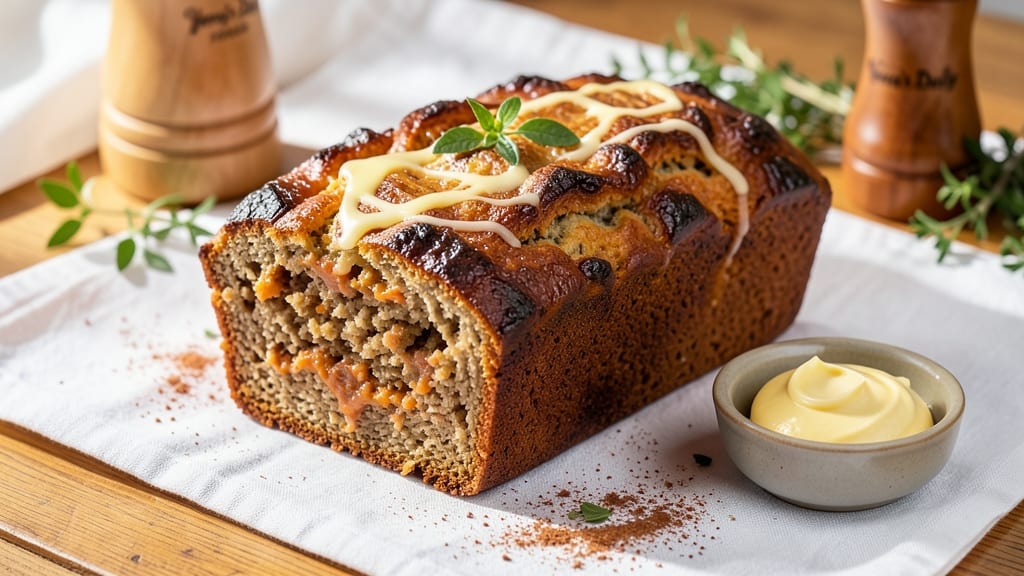
This Young's Dairy sweet potato bread recipe delivers the perfect balance of rich, buttery crust and tender, spiced sweetness that pairs beautifully with any meal. The secret lies in blending Young's Dairy butter with natural sweet potato flavor, creating a loaf that's both comforting and impressive.
What sets this recipe apart is the way dairy enhances texture—keeping the bread moist while developing that signature golden crust.
Baking at 350°F for about 35 minutes ensures a crisp exterior and soft interior, with just the right amount of spice to complement the natural sweetness. The dough comes together easily with simple ingredients, making this a foolproof recipe perfect for beginners and experienced bakers alike.
The aroma alone will have everyone anticipating that first slice.
Once baked, this bread transforms into a versatile side dish—ideal for toasting with butter or serving alongside soups and stews. The dairy content adds a subtle richness that elevates the flavor profile, making it a standout addition to any table.
Whether you're baking for a family dinner or a special occasion, this recipe delivers restaurant-quality results at home.
The key to success is proper proofing and baking time, which we'll cover in detail to ensure your loaf turns out perfectly every time. Let's get started on creating this delicious, dairy-infused sweet potato bread that's sure to become a household favorite.
Ingredients for young's dairy sweet potato bread
Simple pantry staples meet Young's Dairy butter for a bread with rich crust and tender spiced sweetness.
| Ingredient | Amount | Notes |
|---|---|---|
| Young's Dairy Butter 🧈 | ½ cup | Softened for mixing |
| Sweet Potatoes 🍠 | 1 ½ cups | Cooked and mashed, skin removed |
| All-Purpose Flour 🌾 | 3 cups | Sifted for light texture |
| Granulated Sugar 🍚 | ½ cup | Light brown preferred |
| Baking Powder 🧂 | 1 tbsp | Freshly opened |
| Ground Cinnamon 🌿 | 1 ½ tsp | True cinnamon preferred |
| Ground Nutmeg 🌶️ | ½ tsp | Freshly grated |
| Salt 🧂 | ½ tsp | Fine sea salt |
| Large Eggs 🥚 | 1 whole | Room temperature |
| Milk 🥛 | ½ cup | Whole milk preferred |
| Vanilla Extract 🌸 | 1 tsp | Pure vanilla preferred |
| Honey 🍯 | 1 tbsp | For added sweetness |
Young's Dairy butter is the star here—grab the tub from your local grocery store or order online for that signature flavor. The sweet potatoes should be vibrant orange, not dull or green-tinged. I roast mine at 400°F for 45 minutes until fork-tender, then mash smooth. For the flour, King Arthur or Gold Medal brands are reliable for consistent texture. The spices? Penzeys or bulk bins at Whole Foods for the freshest cinnamon and nutmeg—those pre-ground spices lose potency fast.
No Young's Dairy butter? European-style unsalted butter works in a pinch, but the flavor won't be identical. Substituting sweet potatoes? Yams or regular potatoes (boiled and mashed) can work, but the flavor profile changes. Short on honey? Maple syrup at half the amount gives similar sweetness. The milk can be swapped for plant-based milk if needed, though the texture may be slightly less tender. For the vanilla, imitation extracts are a no-go—they won't deliver that authentic aroma.
This dough keeps well in the fridge for 2 days wrapped tightly in plastic. For longer storage, freeze the dough in portions for up to 3 months. Once baked, the bread stays fresh for 3 days at room temperature wrapped in a clean towel. For extra crispiness, reheat slices in a 350°F oven for 5 minutes. I always make an extra loaf—it disappears fast around here, especially with butter slathered on top.
Why You'll Love This Recipe
- Sweet Potato Magic: I’ll be real—this bread starts with one ingredient that does all the heavy lifting: roasted sweet potatoes. Mash them up, and suddenly you’ve got moisture, natural sweetness, and that warm, spiced depth without needing extra sugar or syrup. The Young’s Dairy Butter in the dough? That’s the secret—it keeps every slice tender and rich, like a hug in bread form.
- No-Fuss Mixer: Honestly, the dough comes together faster than my coffee brews. You’re basically folding together flour, sugar, baking powder, and that sweet potato purée—no yeast, no waiting, no stress. Even if you’re the kind of baker who burns toast, this recipe forgives mistakes. The bread’s got structure, but it’s not fussy about overmixing or underproofing. (Yes, even on a Tuesday night.)
- Breakfast to Dessert: Here’s what sold me—this bread works all day. Toast it with butter for breakfast, slather it with jam for a snack, or serve it warm with honey at dinner. The natural sweetness from the potatoes means it’s great plain, but it’s also the perfect base for peanut butter, cinnamon cream cheese, or even a savory spread if you’re feeling wild. My kids ask for it at every meal.
- Leftovers That Last: Between us, this recipe makes two loaves without breaking a sweat, and they stay fresh for days. The texture holds up better than most quick breads—I’ve eaten slices cold from the fridge three days later, and they’re still moist. Plus, it’s cheaper than buying artisanal bread week after week. Freeze half if you’re not a speed-eater; just toast straight from frozen. No waste, all flavor.
Step-by-step instructions for young's Dairy sweet potato bread
This method delivers a tender crumb with a golden crust and warm spice notes throughout.
Prepare the Sweet Potato Base
Begin by cooking the 1.5 cups sweet potatoes until fork-tender. I prefer roasting them at 400°F for 45 minutes until they're soft and caramelized. Let them cool slightly, then peel off the skin and mash until completely smooth—no lumps should remain. This step creates the bread's signature moisture and subtle sweetness.
While the sweet potatoes cook, measure out the 0.5 cup granulated sugar, 1.5 teaspoons ground cinnamon, 0.5 teaspoon ground nutmeg, and 0.5 teaspoon salt in a small bowl. Whisk these dry ingredients together—they'll form the aromatic backbone of the bread. The cinnamon and nutmeg should be freshly ground for maximum flavor impact.
Mix Wet Ingredients for Perfect Texture
In a large mixing bowl, combine the mashed sweet potatoes with the 0.5 cup softened Young's Dairy Butter. Use a wooden spoon to cream them together until smooth and fully incorporated. The butter should create a rich, velvety base that carries the sweet potato flavor throughout.
Add the 1 whole large egg, 0.5 cup milk, 1 teaspoon vanilla extract, and 1 tablespoon honey to the bowl. Whisk vigorously for 2 minutes until the mixture is completely homogeneous and slightly thickened. This step ensures the bread will have a tender crumb rather than a dense one. The honey adds subtle depth that complements the sweet potatoes beautifully.
Combine Dry Ingredients Gently
Sift the 3 cups all-purpose flour and 1 tablespoon baking powder together into the wet mixture. I always sift the flour to prevent lumps and ensure an even texture. Add the dry spice mixture from Step 1 and gently fold everything together using a spatula.
Mix just until combined—overmixing develops gluten and makes the bread tough. You should still see small flour streaks in the batter. The ideal consistency should be thick but pourable. This batter will yield a tender loaf with just the right amount of structure to hold its shape.
Bake to Golden Perfection
Preheat your oven to 350°F and grease a 9x5-inch loaf pan with additional butter. Pour the batter into the prepared pan and smooth the top with a spatula. For an even more golden crust, I recommend brushing the top with a bit of melted butter before baking.
Bake for 50-55 minutes until the bread reaches 200°F internally and the top is deep golden brown. Tap the loaf gently—it should sound hollow when done. The bread will pull away cleanly from the pan edges, indicating it's fully baked. Let it cool in the pan for 10 minutes, then transfer to a wire rack to cool completely before slicing.
Pro Tips For Making Young'S Dairy Sweet Potato Bread
- STEAM THE POTATOES FIRST: The recipe calls for raw sweet potatoes, but I learned the hard way—roasting them first makes all the difference. Toss cubed sweet potatoes in a pinch of salt, roast at 400°F (200°C) for 20 minutes until tender, then mash them into the batter. This deepens the flavor and keeps the bread from tasting starchy.
- USE COLD BUTTER: Don’t melt that Young’s Dairy Butter—keep it cold until the last minute. Cut it into small cubes and fold them into the batter just before baking. This ensures those rich, buttery pockets melt into fluffy layers instead of turning the bread greasy or dense.
- DON’T OVERMIX THE DOUGH: I used to beat this batter like I was punching a clock, but the bread turns tough when overworked. Mix the wet and dry ingredients just until combined—lumps are fine. A few swirls with a spatula is all it takes to keep the crumb light and tender.
- CHECK DONENESS WITH A THERMOMETER: That loaf might look golden but still be undercooked inside. Slide an instant-read thermometer into the center—it should hit 190°F (88°C). If it’s lower, tent with foil and bake another 5-10 minutes. Trust the temp, not your eyes.
Common mistakes when making your young's dairy sweet potato bread
Overmixing the Dough
This is the #1 mistake I see with sweet potato breads—the dough gets overworked, leading to a tough, dense loaf instead of that tender crumb we want. Once you add the flour and baking powder, mix just until combined—about 15-20 strokes with a spatula.
You should still see small flour streaks in the batter. Overmixing develops gluten, which makes the bread chewy rather than light. I promise you won't overdo it if you stop as soon as everything comes together. 🍞
Skipping the Proofing Step
Some recipes skip proofing entirely, but this bread needs that 15-20 minute rest at room temperature before baking. This allows the flour to fully hydrate and the gluten to relax slightly, resulting in a more tender crumb.
I always give mine a quick rest after mixing—it's worth the extra time for that perfect texture. Pro tip: Cover the bowl loosely with plastic wrap if your kitchen is dry.
Incorrect Sweet Potato Prep
Using cold, unmashed sweet potatoes or leaving lumps in the batter throws off the moisture balance and texture. Always cook them until completely tender (I test with a fork), let them cool slightly, then mash until completely smooth.
No lumps means even distribution of moisture throughout the loaf. I've ruined batches by rushing this step—trust me, it matters more than you think. 🍠
Underbaking or Overbaking
The internal temperature should reach 200°F for perfect doneness—any lower and it'll be gummy, any higher and it'll dry out. Use an instant-read thermometer to check the center. Visual cues like golden brown crust and pulling away from the pan edges are good indicators, but don't rely on them alone.
I've learned the hard way that bread continues cooking after removal from the oven during that crucial cooling phase.
Wrong Butter Temperature
Using butter that's too cold creates pockets of unmixed fat, resulting in a dense crumb. The 0.5 cup Young's Dairy Butter should be softened but not melted—it should leave a slight indentation when pressed with your finger.
If it's too warm, the bread may spread in the pan. I keep mine at room temperature for about 30 minutes before using. This ensures proper emulsification with the sweet potatoes and other wet ingredients.
Ignoring the Cooling Phase
Cutting into the bread too soon releases steam trapped inside, making it gummy. Always let it cool in the pan for 10 minutes, then transfer to a wire rack to cool completely (about 1 hour**).
This patience pays off with clean slices and proper texture. I've seen home bakers rush this step and end up with sad, crumbly results. The waiting is worth it for that perfect first slice. 🧈
Nutrition facts
Frequently asked questions
Can I make this bread without Young's Dairy Butter?
Yes, but the flavor won't be identical. Use European-style unsalted butter for the closest substitute, or try butter-flavored baking spray for the pan if avoiding dairy entirely. The butter adds richness that enhances the sweet potato's natural sweetness. For a lighter option, try olive oil (reduce by 1 tablespoon), though the texture will differ slightly.
Why does my bread turn out dense instead of tender?
Overmixing the dough is the most common cause—stop mixing as soon as the flour disappears. Another culprit is underproofing: let the batter rest for 15-20 minutes before baking. Also check your butter temperature—it should be softened but not melted. Cold butter creates dense pockets in the crumb. For extra tenderness, ensure your sweet potatoes are fully mashed with no lumps.
How can I make this bread gluten-free?
Replace the all-purpose flour with a 1:1 gluten-free baking flour blend (like Bob's Red Mill) plus 1 teaspoon xanthan gum. You may need to add 2 tablespoons extra milk since gluten-free flours absorb more liquid. Bake at 325°F instead of 350°F to prevent over-browning, and check doneness at 200°F internal temperature.
What's the best way to reheat sliced bread?
For crispy toast, wrap slices in foil and warm at 350°F for 5-7 minutes. To maintain softness, use the microwave for 10-15 seconds on medium power. For a restaurant-style finish, brush warm slices with melted butter and sprinkle with cinnamon sugar. Avoid reheating in air fryers—it dries out the bread too quickly.
Can I add nuts or chocolate chips?
Fold in ½ cup chopped pecans or walnuts with the dry ingredients, or add ½ cup mini chocolate chips for sweetness. For even distribution, gently stir them in after mixing all wet ingredients. If adding nuts, toast them first at 350°F for 5 minutes to enhance flavor. Chocolate chips should be semi-sweet or dark chocolate for best pairing with the spices.