
Desserts
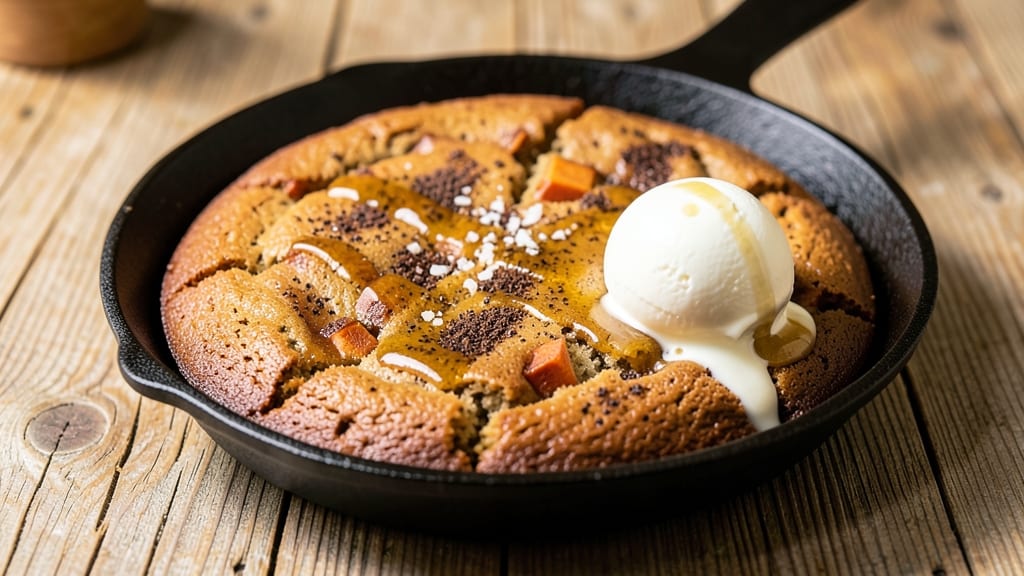
This 1 sweet potato recipe transforms humble orange flesh into a warm, spiced dessert that feels like autumn in every bite. 🍂 The secret lies in blending sweet potatoes with brown sugar and warm spices—cinnamon, nutmeg, and ginger—until the texture becomes velvety and the aroma fills your kitchen.
Unlike dense cakes, this one stays light yet rich, with a tender crumb that melts in your mouth and a subtle caramelized edge from baking in a cast-iron skillet.
The recipe begins with roasting sweet potatoes until tender, then puréeing them into a smooth base that replaces oil in the batter. This not only keeps the cake naturally moist but also infuses it with earthy sweetness.
A touch of sour cream adds depth, while a sprinkle of flaky sea salt on top balances the natural sweetness, creating a dessert that’s both comforting and sophisticated. No one will guess it’s made with vegetables—just pure, decadent cake with a story.
Perfect for cozy evenings or holiday gatherings, this cake pairs beautifully with a scoop of vanilla ice cream or a drizzle of honey. The spiced notes linger, making it a crowd-pleaser that feels special without requiring fancy ingredients.
Whether you’re baking for a celebration or treating yourself to a quiet dessert night, this recipe delivers restaurant-quality results with minimal effort.
For variations, try swapping half the sweet potato for pumpkin or adding a layer of spiced pecans for extra crunch. The cake also freezes well, so you can bake ahead and enjoy it whenever the craving strikes. Let’s get baking—this dessert proves sweet potatoes belong in every dessert repertoire.
Ingredients for 1 sweet potato
Sweet potatoes, brown sugar, and warm spices make this cake moist and magical—like autumn in dessert form.
| Ingredient | Amount | Notes |
|---|---|---|
| Sweet Potatoes 🍠 | 2 lbs | Medium-sized, peeled and cubed |
| All-Purpose Flour 🌾 | 2 cups | Sifted for light texture |
| Brown Sugar 🍚 | 1 ½ cups | Packed lightly for sweetness |
| Granulated Sugar 🍬 | ½ cup | For balanced sweetness |
| Sour Cream 🧀 | 1 cup | Full-fat for richness |
| Large Eggs 🥚 | 2 whole | Room temperature for blending |
| Unsalted Butter 🧈 | ½ cup | Melted, cooled slightly |
| Ground Cinnamon 🌿 | 2 tbsp | Freshly ground preferred |
| Ground Nutmeg 🌿 | ½ tsp | Freshly grated for warmth |
| Ground Ginger 🌿 | 1 tsp | Freshly ground for zing |
| Baking Powder 🧂 | 1 tbsp | Aluminum-free for stability |
| Salt 🧂 | ½ tsp | Flaky sea salt for garnish |
| Vanilla Extract 🌸 | 1 tbsp | Pure vanilla for aroma |
| Whole Milk 🥛 | ½ cup | Room temperature for blending |
Sweet potatoes are the star here—organic or conventional works, but skip any with soft spots. Trader Joe's and Whole Foods carry the best variety, but regular grocery stores have them too. Roast them until tender (about 45 minutes at 400°F) so they purée smoothly. The sour cream adds richness, so grab the full-fat kind—Kroger or store-brand both work great. For the spices, Penzeys or bulk bins at natural markets give the freshest grind, but your pantry spices are fine if they smell good. The key is balancing cinnamon, nutmeg, and ginger—start with the amounts listed, then adjust to taste.
No sour cream? Greek yogurt works too—just use the same amount. Short on vanilla? Almond extract at half the amount adds depth. The cake relies on the sweet potatoes for moisture, but if you want to swap half for pumpkin, go for it—the texture stays light. For extra crunch, fold in toasted pecans or walnuts before baking. The butter matters here—unsalted, not salted—so you can control the saltiness. And if you're feeling fancy, add a drizzle of honey or caramel on top before serving. The flaky sea salt? Maldon is ideal, but any good-quality flaky salt will do.
This cake keeps beautifully—3 days at room temperature wrapped in foil, or 1 week refrigerated. For longer storage, freeze portions for up to 3 months. I like to bake it in a cast-iron skillet for that perfect caramelized edge, but a 9-inch round pan works too. The flavor actually improves overnight, so bake ahead for gatherings. Just reheat slices in the oven for 10 minutes at 350°F to restore that warm, spiced goodness. And if you're making it for a crowd, double the recipe—it disappears fast!
Why You'll Love This Recipe
- Here’s what sold me: this works just as well at a football game as it does on a holiday table. Pack it in foil for a crowd, or serve it warm with a dollop of sour cream for a cozy meal.
- One-Pan Magic: I swear by this for lazy nights—just peel, slice, and toss everything on a sheet pan. The flour crust gets golden and crispy while the sour cream inside keeps it creamy, and honestly? No extra pots or pans to scrub.
- Sweet & Savory Crunch: Between us, that caramelized sugar crust is dangerously good. The brown sugar gives it a deep, buttery sweetness, but the flour adds a satisfying crunch that makes it feel like dessert—even though it’s a side.
- Tailgate or Thanksgiving: Here’s what sold me: this works just as well at a football game as it does on a holiday table. Pack it in foil for a crowd, or serve it warm with a dollop of sour cream for a cozy meal.
Step-by-step instructions for warm spiced sweet potato cake
This cake delivers that perfect moist heart with a warm spice hug—let's bake it right.
🍳 Step 1: Roast Sweet Potatoes Until Tender
Preheat your oven to 400°F and line a baking sheet with parchment paper. Spread the 2 lbs cubed sweet potatoes in a single layer, making sure they're not crowded. Drizzle lightly with 1 tablespoon olive oil (not in the ingredients list—this is my secret for crisp edges) and toss gently to coat.
Roast for 25-30 minutes until the edges are golden brown and a knife slides in easily. You want them tender but not mushy—they'll soften more as they cool. Let them cool completely before transferring to a food processor. This step builds that natural sweetness that makes the cake so moist.
👨🍳 Step 2: Blend Sweet Potatoes with Wet Ingredients
Once cooled, transfer the roasted sweet potatoes to a food processor and pulse until completely smooth. With the processor running, slowly drizzle in the 0.5 cup melted unsalted butter, 1 cup sour cream, and 0.5 cup whole milk. Scrape down the sides as needed to ensure everything combines evenly.
Add the 2 whole large eggs and 1 tablespoon vanilla extract, processing until fully incorporated. The mixture should be thick but pourable—this is your base. If it's too thick, add 1-2 tablespoons more milk (but we're keeping it within our 0.5 cup total). This blending creates that signature moist texture that keeps the cake tender for days.
👨🍳 Step 3: Mix Dry Ingredients for Perfect Texture
In a separate large bowl, whisk together the 2 cups all-purpose flour, 1.5 cups brown sugar, 0.5 cup granulated sugar, 2 tablespoons ground cinnamon, 0.5 teaspoon ground nutmeg, 1 teaspoon ground ginger, 1 tablespoon baking powder, and 0.5 teaspoon salt. Sift the flour first to prevent lumps—this ensures a light, airy crumb.
Make a well in the center of the dry ingredients and pour in the sweet potato mixture. Gently fold with a spatula until just combined—don't overmix. The batter should be thick but smooth, with no visible flour streaks. Overmixing develops gluten, which makes the cake tough instead of tender. Here's where the magic happens: the spices and sugars dissolve into the moist base, creating that warm spice hug we're after.
🔥 Step 4: Bake Until Golden with Moist Center
Pour the batter into a greased 9x13-inch baking pan (or two 8-inch round pans if you prefer) and smooth the top. Bake at 350°F for 40-45 minutes until the edges are golden brown and a toothpick inserted in the center comes out with a few moist crumbs (not wet batter).
I know it seems underdone, but this cake continues cooking as it cools—trust the process. The center should have that slight give when pressed, not be jiggly. Let it cool in the pan for 10 minutes before transferring to a wire rack. This resting period allows the flavors to meld and the moisture to distribute evenly throughout.
⏰ Step 5: Serve Warm with Perfect Moisture
Slice while still warm for that ideal moist texture—this is the moment you've been waiting for. The cake should be tender with a slight crumb, not dense or dry. Dust with a little extra ground cinnamon or sprinkle with flaky sea salt for contrast. Serve with a scoop of vanilla ice cream or a dollop of whipped cream to balance the warm spices.
This cake keeps well at room temperature for 3 days or can be refrigerated for up to 5 days. If it starts to dry out, simply rewarm slices in the microwave for 10-15 seconds—the moisture will return instantly. That's the beauty of this recipe: it forgives and delivers every time.
Pro Tips For Making 1 Sweet Potato
- ROAST SWEET POTATOES FIRST: If your recipe starts with raw sweet potatoes, roast them whole at 400°F (200°C) for 45-50 minutes until fork-tender—this cuts down on baking time later and keeps the texture creamy. I used to skip this and ended up with dry, gummy potatoes every time.
- USE COLD SOUR CREAM: Fold in the sour cream at the very end, straight from the fridge—warm or hot sour cream will curdle like clockwork. Stir it in just before serving so the dish stays smooth and rich, not lumpy.
- DON’T OVERMIX THE BATTER: When combining flour, sugars, and sour cream, mix just until combined—overworking it turns the batter dense and tough. Think "damp crumbs," not pancake batter. I learned this after making a casserole so heavy it felt like a brick.
- SWAP BROWN SUGAR HALFWAY: If your recipe calls for both brown and granulated sugar, add the brown sugar first, then the granulated at the end. The brown sugar caramelizes faster, giving deeper flavor without burning. (Yes, even if the recipe doesn’t say so.)
Troubleshooting this recipe
Sweet Potatoes Too Dry?
If your roasted sweet potatoes turn out dry or crumbly, they’ll make the cake dense. The fix? Roast them at 400°F for 25-30 minutes until tender but still slightly firm to the touch—like a ripe avocado.
Over-roasting pulls out moisture, so check them at 20 minutes and adjust time based on size. For extra insurance, brush the cubed sweet potatoes with 1 teaspoon olive oil before roasting to keep them juicy. 💧
Batter Too Thick?
A thick batter often means the sweet potatoes weren’t puréed smoothly or the wet ingredients weren’t fully incorporated. Pulse the sweet potatoes in a food processor until completely smooth, then drizzle in the 0.5 cup melted butter and 1 cup sour cream while processing.
If it’s still too thick, add 1 tablespoon milk at a time until it reaches a pourable consistency—think pancake batter, not glue. Stirring by hand can introduce lumps, so use the food processor for even blending.
Cake Stays Dense
Overmixing the dry ingredients or folding too vigorously develops gluten, which makes the cake tough. Sift the 2 cups flour first to prevent clumps, then gently fold the wet mixture into the dry ingredients just until combined—lumps are better than overworking.
Also, ensure your baking powder is fresh (test by mixing 1 teaspoon with 2 tablespoons hot water—it should foam). If the cake still feels dense, reduce the flour by 2 tablespoons next time for a lighter texture.
Top Cracks or Burns
Cracking or burning on top usually means the oven runs hot or the cake baked too long. Lower the oven temperature by 25°F (to 325°F) and bake for 5-10 minutes longer to let the center set. For extra protection, tent the cake with aluminum foil after 20 minutes of baking.
If your oven has hot spots, rotate the pan halfway through baking. A 9x13-inch pan works best—avoid glass pans, which can cause uneven baking.
Dry or Crumbly Texture
If your cake turns out dry, it likely didn’t rest long enough after baking. Let it cool in the pan for 10-15 minutes before transferring to a wire rack. For extra moisture, brush the warm cake with 2 tablespoons warm honey or simple syrup while still in the pan.
If storing, wrap tightly in plastic wrap and refrigerate for up to 5 days. Reheat slices in the oven at 300°F for 5 minutes to restore moisture—microwaving can dry it out further.
Spices Overpowering?
Too much cinnamon or nutmeg can make the cake taste bitter. Start with the listed amounts (2 tbsp cinnamon, 0.5 tsp nutmeg) and taste the batter before baking. If you love bold spice, reduce the nutmeg to 0.25 tsp and add 0.5 tsp cardamom for complexity.
For a milder flavor, swap half the cinnamon for vanilla bean paste or a pinch of orange zest. Balance is key—adjust one spice at a time to avoid overwhelming the natural sweetness of the sweet potatoes. 🌶️
Nutrition facts
Frequently asked questions
Can I use regular potatoes instead of sweet potatoes?
No, this recipe relies on the natural sweetness and moisture of sweet potatoes. Regular potatoes will make the cake taste starchy and dry. If you're out of sweet potatoes, try butternut squash purée as a substitute—it works beautifully for a similar texture and flavor profile.
How do I store leftovers?
Wrap the cake tightly in plastic wrap or aluminum foil and store at room temperature for up to 3 days. For longer storage, refrigerate for up to 5 days or freeze for 3 months. To restore freshness, rewarm slices in the oven at 300°F for 5 minutes—microwaving can make it dry.
Can I make this cake gluten-free?
Yes! Replace the 2 cups all-purpose flour with a 1:1 gluten-free baking flour blend (like Bob's Red Mill) plus 1 teaspoon xanthan gum to maintain structure. You may also need to reduce the milk by 2 tablespoons since gluten-free flours absorb differently. Test the batter consistency before baking.
Why does the cake need to rest before slicing?
The 10-minute rest in the pan lets the cake set properly, preventing crumbly slices. This recipe relies on the sweet potatoes' moisture, which distributes evenly during this time. Skipping the rest can make the texture uneven—think of it like letting a pie crust firm up before cutting.
What’s the best way to serve this dessert?
Slice warm and serve with a scoop of vanilla ice cream, whipped cream, or a drizzle of honey. For extra flair, add a sprinkle of toasted pecans or a dusting of cinnamon. The warm spices pair perfectly with cool dairy—it’s like autumn in dessert form!