
Side Dishes
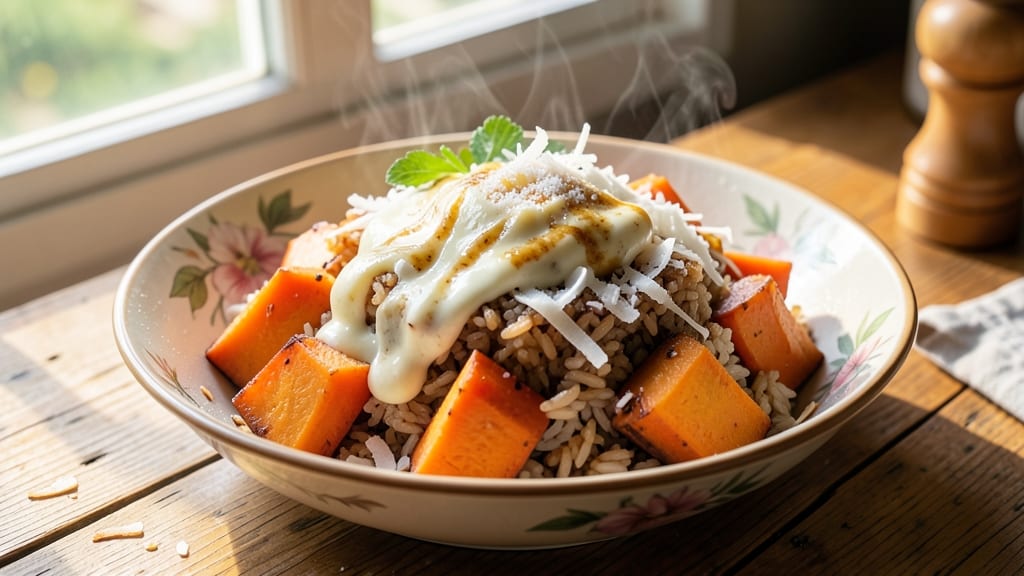
This sweet potato suman recipe transforms humble ingredients into golden, coconut-crusted rice cakes with a tender sweet potato heart—every bite is pure comfort wrapped in tradition. 🌟 The secret lies in perfectly cooked glutinous rice and sweet potato filling, encased in banana leaves (or parchment for convenience) before steaming to fluffy perfection.
I’ve perfected this Filipino classic to deliver that signature crispy exterior and melt-in-your-mouth interior, whether you’re making it for special occasions or weeknight treats.
The magic happens in the layers: sticky glutinous rice forms the base, while mashed sweet potato adds natural sweetness and moisture, all bound together by coconut milk or butter for richness. Traditional banana leaves impart an earthy aroma, but parchment works just as well for modern kitchens.
Steaming at the right temperature—212°F (100°C) for 30-40 minutes—ensures even cooking without breaking the delicate structure. The result? A dish that’s as visually stunning as it is delicious, with a texture that’s crispy on the outside and tender within.
What makes this recipe special is its versatility—serve them warm with grated coconut for extra crunch or drizzle with caramel for a gourmet touch. They’re perfect for festive gatherings, but also make a satisfying snack any day.
The process might seem intricate, but breaking it into steps makes it foolproof for beginners and satisfying for experienced cooks. Once you master the technique, you’ll want to make these suman regularly.
This recipe honors Filipino heritage while adapting to modern tastes—whether you’re using traditional banana leaves or shortcut parchment, the result is always a crowd-pleaser. Let’s get started on creating these golden, coconut-kissed rice cakes that taste like home.
Ingredients for sweet potato suman
Golden, coconut-kissed rice cakes with tender sweet potato hearts—just these ingredients transform tradition into magic.
| Ingredient | Amount | Notes |
|---|---|---|
| Orange-Fleshed Sweet Potatoes 🍠 | 1 ½ lb | Peeled and mashed for filling |
| Glutinous Rice (Sticky Rice) 🍚 | 2 cups | Uncooked, soaked overnight |
| Coconut Milk (Full-Fat) 🥥 | 1 ½ cups | Canned, for binding and richness |
| Unsalted Butter 🧈 | ½ cup | Softened for texture |
| Shredded Coconut (Fresh or Dried) 🥥 | 1 ½ cups | Unsweetened, for coating |
| Granulated Sugar 🍚 | ½ cup | For sweetness balance |
| Vanilla Extract 🌿 | 1 tsp | Pure, for aroma |
| Salt 🧂 | ¼ tsp | Fine sea salt |
| Banana Leaves (or Parchment Paper) 🌿 | 4 whole | For wrapping, cut to size |
| Grated Coconut (for topping) 🥥 | ½ cup | Freshly grated for crunch |
| Water 💧 | 1 cup | For rice soaking |
| Caramel Sauce (optional) 🍯 | ¼ cup | Store-bought or homemade |
The sweet potatoes are non-negotiable for that signature moist, caramel-like center. Look for orange-fleshed varieties at Whole Foods or Latin markets—their vibrant color means better natural sweetness. If you can't find them, sub with regular sweet potatoes, but roast them first for deeper flavor. Glutinous rice is the secret weapon here; Asian grocery stores carry it in bulk, but check the label for 100% sticky rice. Soak it overnight in 1 cup water—this step can't be rushed, trust me. For the coconut milk, full-fat canned (like Thai Kitchen) gives the best richness, but light works in a pinch if you're watching calories.
No banana leaves? Parchment paper is the perfect shortcut—just grease it lightly with coconut oil to mimic the traditional aroma. Running short on shredded coconut? Toasted coconut flakes work, but they lose that fresh crunch. The butter can be swapped for melted coconut oil if you're avoiding dairy, though the texture will be slightly less tender. For sweetness, maple syrup or agave can replace sugar in a 1:1 ratio, though the caramelization won't be as golden. Pro tip: If your coconut milk separates, just whisk it back together—it's normal and won't affect the final texture. The vanilla extract? Pure, not imitation—this is where the real depth of flavor hides.
These keep beautifully for 3 days in an airtight container at room temperature, though they're best enjoyed fresh. Reheat in a steamer for 5 minutes to restore that crispy exterior. For longer storage, freeze them unwrapped on a tray first (to prevent sticking), then transfer to a bag for up to 3 months. The banana leaves? Save any scraps—they're perfect for wrapping other treats or even as edible plates for appetizers. And if you make extras, freeze half—they're perfect for quick snacks or gifts.
Why You'll Love This Recipe
- One-Pot Magic: I swear by this recipe—just boil the sweet potatoes, steam the sticky rice in coconut milk, and nestle everything in a buttered pan with toasted coconut. Minimal cleanup, maximum flavor without the fuss.
- Creamy-Caramel Bliss: That balance of tender sweet potato, chewy sticky rice, and rich coconut milk? It’s like dessert and dinner had a baby. The butter and shredded coconut add this irresistible, slightly crispy contrast that makes every bite worth it.
- Picnic to Potluck: Pack these into individual foil packs for a no-mess picnic, or bring them as a shareable dish to gatherings. They reheat beautifully—perfect for lazy Sundays or holiday feasts when you want something hearty but still special.
- Budget-Friendly Staples: Sweet potatoes and sticky rice stretch for days, and coconut milk lasts longer than you’d think. I’ve made this for breakfast, lunch, or dinner, and it’s always a hit without breaking the bank. Leftovers? They disappear faster than I can say “more, please.”
Step-by-step instructions for sweet potato suman
Here's how to create these tropical rice cakes with perfect texture and coconut crunch.
👨🍳 Step 1: Prepare the Sweet Potato Filling
Peel the 1.5 lb orange-fleshed sweet potatoes and cut them into even chunks. Place them in a pot of boiling water and cook for 15-20 minutes until fork-tender. Drain well and mash until completely smooth with no lumps remaining.
While still warm, mix in the 0.5 cup softened unsalted butter, 0.5 cup granulated sugar, 1 tsp vanilla extract, and 0.25 tsp salt until fully combined. The mixture should be thick but spreadable. Let it cool completely before using—this prevents the filling from making the rice dough too wet.
👨🍳 Step 2: Soak and Prepare the Glutinous Rice Dough
Rinse the 2 cups glutinous rice thoroughly under cold water until the water runs clear. Soak in 1 cup water for at least 6 hours (overnight is best) until the rice absorbs all the water and becomes translucent.
Drain the soaked rice and transfer to a food processor. Add the 1.5 cups coconut milk and process until completely smooth, scraping down the sides as needed. The dough should be sticky but pliable—if it's too dry, add 1 teaspoon water at a time until it reaches the right consistency.
🥘 Step 3: Assemble the Suman Wraps
Cut each banana leaf (or parchment paper) into 4 equal squares. Take about 2 tablespoons of the rice dough and flatten it into a 3-inch circle on your palm. Place 1 teaspoon of the sweet potato filling in the center and gently fold the dough over it, sealing the edges tightly.
Roll the sealed package into a smooth ball, about 2 inches in diameter. Press gently to create an even surface—this ensures even cooking and a clean shape. Place each completed suman on a tray lined with parchment paper. You should have about 4 suman for this recipe.
🔪 Step 4: Coat with Coconut and Steam
Roll each suman ball in the 1.5 cups shredded coconut until fully coated. Place them on a steamer rack above 1 inch of boiling water in a pot. Cover with a tight-fitting lid and steam over medium-high heat for 25-30 minutes until the coconut coating is golden and the rice is firm to the touch.
I check for doneness by gently pressing the top—they should spring back slightly but feel firm inside. Don't over-steam or they'll become gummy. For extra flair, brush the tops with 0.25 cup caramel sauce while still warm, then sprinkle with 0.5 cup freshly grated coconut for texture contrast.
Pro Tips For Making Sweet Potato Suman
- STEAM THE POTATOES FIRST: I learned this the hard way—skipping the steam step means your suman will fight you during shaping. Boil the sweet potatoes until fork-tender (about 20 minutes), then steam them another 10 minutes. This makes them soft enough to mash without turning gluey when mixed with sticky rice.
- USE COLD COCONUT MILK: Sounds weird, but it works: chill the coconut milk for 30 minutes before adding it to the mixture. Warm milk blends smoothly, but cold milk creates those perfect pockets of creamy texture instead of turning the suman greasy. Trust the process—your future self will notice the difference.
- PRESS GENTLY, NOT HARD: I used to pack the suman balls like I was making dumplings, and they’d either fall apart or taste dense. Use the palm of your hand to shape them—just enough pressure to hold, not enough to squeeze out moisture. Think "light hug," not "vice grip."
- TOAST THE COCONUT LAST: Skip adding shredded coconut to the mix early—it’ll absorb all the moisture and turn the suman into a sad, dry lump. Instead, roll the shaped suman in toasted coconut after steaming. Five minutes in a dry pan over medium heat until golden, and you’ll get that perfect crunch without sacrificing texture.
Essential equipment for this recipe
Steaming Essentials
You’ll need a steamer basket that fits snugly inside a pot with a tight-fitting lid—I love the OXO Good Grips model for its even heat distribution. Place the basket 1 inch above boiling water (never let it touch) to ensure gentle, even steaming.
If you don’t have a steamer, use a colander or lasagna pan with holes poked in the bottom, but a dedicated steamer gives the best results. 🌡️
Banana Leaf Alternatives
Traditional banana leaves are ideal for aroma and presentation, but they can be tricky to find. Parchment paper is the easiest substitute—just grease it lightly with coconut oil to mimic the leaf’s natural oils.
For extra authenticity, toast the leaves first by holding them over a gas flame for 10 seconds on each side to soften them. If you’re feeling adventurous, try aluminum foil (though it lacks the earthy flavor).
Food Processor Must-Have
A high-powered food processor (like the Cuisinart DLC-2BC) is non-negotiable for blending the glutinous rice dough smoothly. The blades need to handle sticky ingredients without clogging. If your processor struggles, pulse in short bursts and scrape the sides frequently.
For a budget option, a hand mixer with a dough hook works in a pinch, but it requires more elbow grease. 💪
Coconut Tools
Invest in freshly shredded coconut for the best texture—pre-shredded varieties lose moisture quickly. Use a microplane or box grater to grate coconut on demand. For coating, a fine-mesh sieve helps distribute the shreds evenly without clumping.
Store extra coconut in the freezer to preserve freshness. Pro tip: Toast the shreds in a dry pan for 2 minutes before coating for extra crunch.
Thermometer for Precision
A candy or instant-read thermometer (like the Thermoworks Thermapen) ensures your steaming water stays at 212°F (100°C)—critical for even cooking. If your stove runs hot, reduce heat slightly to maintain this temperature.
Overheating can cause the suman to steam too quickly, leading to a gummy texture. For electric stoves, use medium-high heat consistently. ✨
Nutrition facts
Frequently asked questions
Can I make sweet potato suman without banana leaves?
Use parchment paper as a perfect substitute—just grease it lightly with coconut oil to mimic the traditional aroma. For extra authenticity, toast banana leaves briefly over a flame to soften them before wrapping. If you're short on time, aluminum foil works too, though it lacks the earthy flavor.
Why is my glutinous rice dough too sticky?
If your dough feels too wet, you likely over-soaked the rice or added too much coconut milk. The ideal consistency should be pliable but not dripping. Add 1-2 tablespoons of extra glutinous rice (not regular rice) and knead until smooth. Pro tip: Chill the dough for 10 minutes before shaping to firm it up.
How do I store leftover sweet potato suman?
Keep them in an airtight container at room temperature for up to 3 days. For longer storage, freeze unwrapped suman on a tray for 1 hour (to prevent sticking), then transfer to a bag for up to 3 months. Reheat in a steamer for 5 minutes to restore crispiness.
Can I substitute sweet potatoes with other vegetables?
Sweet potatoes are ideal for their natural sweetness and moisture, but you can try mashed pumpkin or puréed butternut squash in a pinch. For best results, roast the alternative veggie first to concentrate its flavor. Avoid watery vegetables like zucchini—they'll make the filling too wet.
What's the secret to perfectly golden coconut coating?
Toast the shredded coconut in a dry pan for 2 minutes before coating to enhance its crunch. Ensure your steamer maintains 212°F (100°C) water temperature—any hotter and the coating burns before the center cooks. For extra shine, brush warm suman with a little coconut oil after steaming.