
Side Dishes
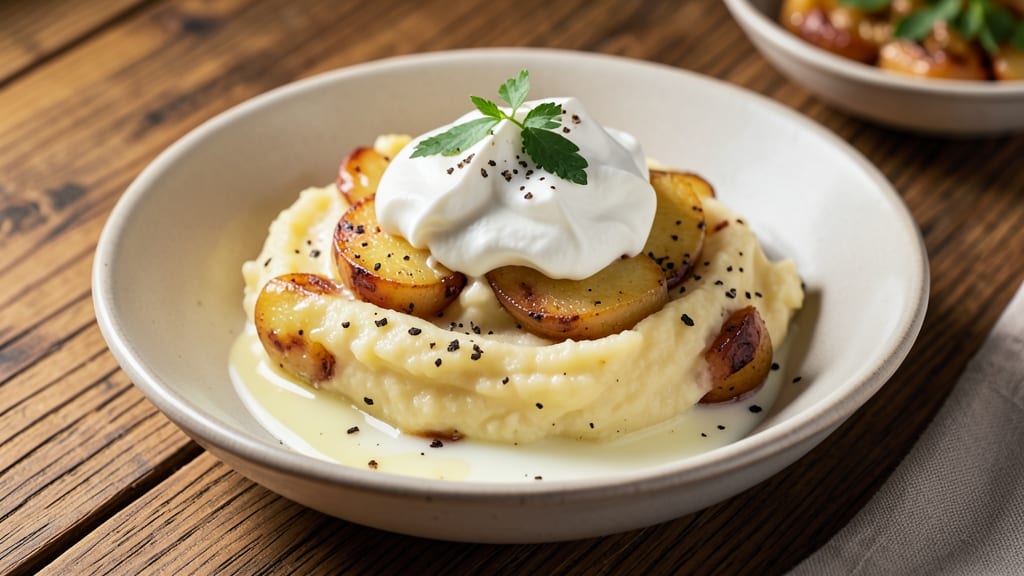
This 2-serving mashed potato recipe delivers velvety, ultra-smooth texture without a single lump in sight—perfect for weeknight dinners or holiday sides. The secret lies in precise boiling and a foolproof mashing technique that transforms starchy potatoes into restaurant-quality creaminess with just butter, milk, and a pinch of salt.
No fancy equipment required, just patience and attention to detail.
What sets this recipe apart is the no-lump guarantee, achieved by draining potatoes thoroughly and using a ricer or potato masher for that signature silky consistency.
We’ll use Yukon Gold potatoes (their waxy texture holds up better than russets) and warm the dairy before mixing to ensure every bite is rich and cohesive. The process takes about 30 minutes from start to finish, making it ideal for busy cooks who refuse to compromise on quality.
By the time you’re done, you’ll have creamy, buttery mashed potatoes with a velvety finish—no grainy bits, no dry patches, just pure comfort food perfection.
The texture is so smooth it’ll fool even the most skeptical eaters, and the flavor is balanced between rich dairy and the earthy sweetness of the potatoes. This is the kind of side dish that transforms ordinary meals into something special.
Pair with roasted meats, gravy drizzle, or fresh herbs for extra flair. The recipe scales easily if you need more servings, but the 2-serving portion ensures you won’t end up with leftovers that turn to glue. Let’s get started on that creamy, lump-free dream.
Ingredients for 2 serving mashed potato
Eight essential ingredients transform humble potatoes into velvety perfection—no lumps, no fuss.
| Ingredient | Amount | Notes |
|---|---|---|
| Yukon Gold Potatoes 🥔 | 1 ½ lb | Waxy variety, peeled and cubed |
| Unsalted Butter 🧈 | ½ cup | Cold, cut into 1-inch pieces |
| Heavy Whipping Cream 🥛 | ¼ cup | Full-fat for maximum creaminess |
| Whole Milk 🥛 | ¼ cup | Warmed to room temperature |
| Diamond Crystal Kosher Salt 🧂 | ½ tsp | Fine grain preferred for even dissolving |
| Freshly Ground Black Pepper 🌶️ | ¼ tsp | Freshly cracked for optimal flavor |
| Garlic Cloves 🧄 | 2 cloves | Minced, optional for depth |
| Fresh Chives 🌿 | 2 tbsp | Chopped, for garnish |
Yukon Gold potatoes are non-negotiable here—their waxy texture breaks down smoothly for that signature creamy finish. Pre-peeling saves time and prevents oxidation, while cubing them evenly ensures consistent cooking. For the best results, grab potatoes from Whole Foods or a local farm market where they're typically fresher than the grocery store. Look for firm, unblemished tubers with vibrant skin—those are your telltale signs of quality. The butter should be cold and unsalted (like Plugrá or Land O'Lakes) to control seasoning precisely, while the heavy cream and milk should be full-fat for that luxurious mouthfeel.
No ricer? A potato masher with fine holes or even a fork in a pinch works—just press firmly to avoid lumps. Short on butter? Olive oil at half the amount keeps things creamy, though the flavor will differ slightly. The garlic and chives are optional but add layers of complexity—roasted garlic powder works if you're skipping fresh. For an extra touch of richness, whisk in 1 tbsp sour cream at the end, but it's not essential. The key to that ultra-smooth texture is thoroughly draining the potatoes and warming the dairy before mixing—never skip this step if you want that restaurant-quality result.
Freshly mashed potatoes keep their best texture for 2-3 days in the fridge, but they'll inevitably dry out—so plan to serve them fresh. For longer storage, portion into airtight containers with a thin layer of plastic wrap pressed directly on the surface to prevent browning. They freeze beautifully for up to 3 months if you thaw and reheat gently with a splash of warm milk. Pro tip: Reheat in a double boiler or microwave in short bursts, stirring between each, to maintain that velvety consistency. Leftovers transform into perfect potato pancakes or shepherd's pie—zero waste!
Why You'll Love This Recipe
- No-Peel Hassle: I peel potatoes maybe once a month—these Yukon Golds stay creamy without it. Just scrub, chop, and boil. That’s it.
- Rich Without Guilt: The butter and cream make them dangerously smooth, but the milk keeps it light. Honestly, I double the butter if I’m feeling indulgent.
- Leftovers That Last: These stay fluffy for days in the fridge, perfect for quick breakfasts or sandwiches. My kids ask for them more than fresh ones—weird, but true.
- Budget Stretch: Two servings feed two well or stretch to four sides. The potatoes are the star, but the cream and butter make them feel like a restaurant dish. Worth it.
Step-by-step instructions for ultra-smooth mashed potatoes
Master this technique and you'll achieve restaurant-quality mashed potatoes with a velvety texture and no lumps.
Prep and Boil the Potatoes for Perfect Texture
Place the 1.5 lb Yukon Gold Potatoes in a large pot and cover with cold water by about 2 inches. Add the 0.5 tsp Diamond Crystal Kosher Salt to the water. This cold start prevents the potatoes from absorbing water unevenly during cooking.
Bring to a boil over medium-high heat, then reduce to a gentle simmer. Cook for 15-20 minutes until a knife slides in easily with just slight resistance. Yukon Golds are waxy potatoes, which means they'll hold their shape perfectly—ideal for ultra-smooth mash. Drain immediately after cooking to remove excess starch that can make the potatoes gummy.
Here's the thing—don't skip the cold start. Starting with cold water ensures even cooking throughout each potato, preventing some pieces from overcooking while others remain underdone. The slight resistance when testing with a knife is your target; you want them tender but not falling apart.
Dry and Mash the Hot Potatoes
Return the drained potatoes to the now-empty pot and place it over low heat for 1-2 minutes. This step drives off any remaining moisture, which is critical for preventing a watery mash. I like to press down gently on the potatoes with a spatula to help release steam and dry them out more quickly.
Once the potatoes are completely dry, use a potato masher or ricer to break them down. I prefer a ricer because it creates a smoother texture by pushing the potatoes through small holes, but a masher works fine if you're gentle. Avoid using a food processor or blender at this stage—those methods can create a gluey, pasty texture instead of the light, fluffy consistency we're after.
This drying step is what separates good mashed potatoes from great ones. The residual moisture in the potatoes is what causes lumps, and eliminating it here ensures your final product will be silky smooth. If you're worried about over-drying, just remember: you can always add a splash of milk later if needed.
Incorporate Butter and Warm Milk for Richness
Add the 0.5 cup Unsalted Butter (cut into 1-inch pieces) and 0.25 cup Whole Milk (warmed to room temperature) to the mashed potatoes. The butter should be cold when you add it—this helps create pockets of air as it melts, contributing to that light, airy texture. Use a wooden spoon to gently fold everything together, working from the bottom up to incorporate all the butter pieces evenly.
I like to warm the milk slightly because cold milk can make the butter clump together instead of distributing smoothly. You'll know you're on the right track when you see the butter melting into the potatoes and creating a glossy sheen. If the mixture looks too thick at this point, add 1 tablespoon at a time of the warmed milk until it reaches a smooth, spreadable consistency.
This is where the magic happens. The combination of cold butter and warm milk creates the perfect balance of richness and lightness. Don't be tempted to rush this step—taking the time to fold everything together thoroughly ensures no butter pockets remain, which could make your mash taste greasy.
Add Finishing Touches for Flavor and Garnish
Stir in the 0.25 cup Heavy Whipping Cream, 0.25 tsp Freshly Ground Black Pepper, and the 2 cloves Garlic Cloves (if using). The cream adds an extra layer of richness while keeping the texture light. Taste and adjust the seasoning—you might need a touch more salt, depending on your potatoes and how much was absorbed during cooking.
For serving, transfer the mashed potatoes to a serving bowl and garnish with the 2 tbsp Fresh Chives, chopped finely. The chives add a fresh, bright note that cuts through the richness of the butter and cream. I like to spread them evenly over the top for both visual appeal and flavor distribution.
This final step is about balancing flavors and presentation. The chives aren't just for looks—they add a subtle onion-like depth that complements the earthy potatoes. Serve immediately while still hot, as mashed potatoes continue to thicken as they cool. If you need to hold them for a short time, cover the bowl with a lid to prevent a skin from forming.
Pro Tips For Making 2 Serving Mashed Potato
- BOIL THEM WHOLE: I learned this the hard way—peeling Yukon Golds first makes them turn to mush faster. Leave the skins on while boiling, then peel after cooking. The starch stays inside where it belongs, and you’ll get fluffier potatoes with half the effort.
- USE A POTATO MASHER, NOT A FORK: Forks leave lumps, and nobody wants that. A simple potato masher breaks down the starch properly while keeping the texture light. If you’re lazy and use a fork, at least press hard—but you’ll still feel the difference.
- STOP WHEN THEY’RE SOFT, NOT MUSH: Pierce a potato with a fork when they’re done—if it slides in like butter, they’re ready. Overcooking turns them gluey, and no amount of butter can fix that. Taste one raw: if it’s too firm, they need 5 more minutes.
- SALT THE WATER LIKE THE OCEAN: Diamond Crystal kosher salt is less dense, so don’t eyeball it—use 1½ tablespoons per 2 pounds of potatoes. Under-salting means bland, watery mash; over-salting ruins the cream later. Trust me, your taste buds will notice.
Wine and beer pairings for these flavors
Classic White Wine
For this ultra-creamy dish, a Chardonnay from California or Burgundy is my go-to choice—its buttery, full-bodied profile mirrors the richness of the mashed potatoes beautifully. Look for a oaked Chardonnay with notes of vanilla and citrus to complement the dairy and earthy potatoes.
A Sauvignon Blanc with its zesty acidity also works well if you prefer something lighter. 🍷
Crisp Beer Pairing
A pilsner or lager like Heineken or Budweiser cuts through the richness without overpowering the dish. The crisp, clean finish balances the butter and cream, making each bite feel fresh.
For something more adventurous, try a Belgian witbier—its coriander and citrus notes add a refreshing contrast to the hearty potatoes.
Rich Red Option
If you're serving these mashed potatoes with a steak or roasted meat, a Pinot Noir or Merlot adds depth without competing. The red fruit notes in these wines harmonize with the earthy flavors of the potatoes, while their smooth tannins won’t overpower the dish.
Avoid heavy reds like Cabernet Sauvignon—they can clash with the creamy texture.
Non-Alcoholic Choices
For a non-alcoholic option, sparkling apple cider like Martinelli’s adds a festive touch while cleansing the palate. Alternatively, a cucumber-mint infused water with a squeeze of lemon keeps things refreshing and light. Both pairings highlight the creamy texture without overpowering the dish’s natural flavors. 💧
Nutrition facts
Frequently asked questions
Can I use russet potatoes instead of Yukon Gold?
Russets work but require extra care—they're starchy and can make mashed potatoes gluey. If you must use them, boil until fork-tender (20-25 minutes), drain thoroughly, and mash with 1 extra tablespoon of butter per serving to compensate for their dryness. For the best texture, stick with Yukon Golds—their waxy nature creates that signature creamy finish.
Why did my mashed potatoes turn out gummy?
Gummy texture usually means excess starch or moisture wasn't removed. Always drain potatoes well after boiling, then dry them on low heat for 1-2 minutes before mashing. Also, avoid overworking the potatoes—gentle folding with a wooden spoon keeps them light. If it's too thick, add warm milk 1 tablespoon at a time until creamy.
How can I make these dairy-free?
Swap butter for olive oil or vegan butter (use same amount), and replace milk/cream with unsweetened almond or oat milk warmed to room temperature. For extra richness, add 2 tablespoons of nutritional yeast or a pinch of salt to enhance flavor. The texture will be slightly lighter but still delicious!
Can I make this recipe ahead of time?
Fresh mashed potatoes are best served immediately, but you can prep 2 days ahead by storing in an airtight container with plastic wrap pressed directly on the surface to prevent browning. Reheat gently in a double boiler or microwave in 30-second bursts, stirring between each, until warmed through. For freezing, portion into containers and store for up to 3 months.
What's the secret to ultra-smooth texture?
The key is thorough draining and drying, plus the right tools. Use a ricer or fine-mesh masher to break down potatoes smoothly, and never skip the low-heat drying step before adding dairy. Cold butter + warm milk creates air pockets for that light, velvety finish. Patience is everything—rushing leads to lumps!