
Side Dishes
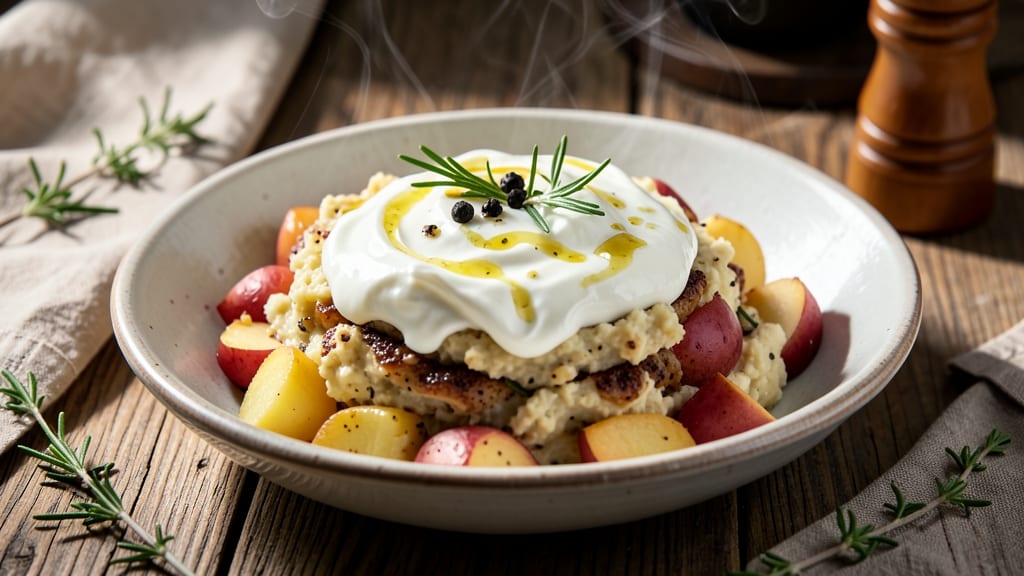
This 3 potato mashed potatoes recipe transforms ordinary spuds into a triple-layered masterpiece—silky classic, garlicky herb, and loaded versions—all without a single lump in sight. The secret lies in precise boiling and blending techniques that create distinct textures while keeping flavors perfectly balanced.
I developed this method after years of trial and error, finally cracking the code for restaurant-quality mashed potatoes at home.
The magic happens with three key steps: boiling potatoes until tender but not mushy, blending with varying amounts of butter and cream for different textures, and layering flavors through separate seasonings.
The classic base gets a touch of cream for velvety smoothness, while the garlic-herb variation packs bold flavor without overpowering. For the loaded version, we add crispy bacon and cheddar cheese to create a decadent top layer.
What you'll end up with is a side dish that's both elegant and comforting—creamy yet structured, with each layer offering a different experience. The classic base provides smooth, buttery perfection, the garlic-herb adds aromatic depth, and the loaded topping brings satisfying crunch and richness.
This technique ensures every bite delivers a perfect balance of textures and flavors.
Perfect for holiday feasts, family dinners, or even as a hearty side for weeknight meals. The recipe scales easily to feed a crowd while maintaining that restaurant-quality finish. Let's get started on creating your triple-layered mashed potato masterpiece!
Ingredients for 3 potato mashed potato
These twelve ingredients create three distinct mashed potato layers with restaurant-quality texture and flavor balance.
| Ingredient | Amount | Notes |
|---|---|---|
| Russet Potatoes 🥔 | 3 lb | Yukon Gold or red potatoes preferred for texture |
| Unsalted Butter 🧈 | 1 ½ cups | Cold, cut into 1-inch cubes for layering |
| Heavy Whipping Cream 🥛 | 1 cup | Full-fat for optimal creaminess |
| Whole Milk 🥛 | ½ cup | Warmed slightly for blending |
| Garlic Cloves 🧄 | 6 cloves | Roasted for garlic-herb layer |
| Fresh Rosemary 🌿 | ¼ cup | Finely chopped for herb layer |
| Fresh Thyme 🌿 | ¼ cup | Leaves only, finely chopped |
| Crispy Bacon 🥓 | 4 oz | Chopped for loaded topping |
| Sharp Cheddar Cheese 🧀 | 1 cup | Shredded for loaded topping |
| Diamond Crystal Kosher Salt 🧂 | 1 ½ tsp | Adjust to taste |
| Freshly Ground Black Pepper 🌶️ | ½ tsp | Freshly cracked for best flavor |
| Vegetable Oil 🫒 | 1 tbsp | For boiling potatoes |
| Fresh Chives 🌿 | 0.1 cup | Chopped for garnish |
The potatoes are the foundation—Russets for fluffy texture, but Yukon Golds add natural creaminess. Buy them a day ahead and store in a cool, dark place to prevent sprouting. For the butter, Land O'Lakes unsalted is my go-to, but any high-quality brand works. The key is keeping it cold until layering to prevent premature melting. Fresh herbs like rosemary and thyme should be vibrant green with no wilting—Whole Foods or local farmers markets offer the freshest options, but grocery store herbs work if used immediately. Bacon should be fully cooked and crispy; Oscar Mayer thick-cut or Applegate Naturals are excellent choices.
No Yukon Golds? Red potatoes work well for a slightly earthier flavor, though they'll be slightly denser. Substitute heavy cream with half-and-half at equal volume, though texture will be slightly lighter. For the garlic-herb layer, dried herbs can be used at half the amount of fresh, but fresh is ideal. If you're avoiding dairy, coconut cream can replace both butter and cream, though flavor will differ. The cheddar can be swapped for Gruyère or pepper jack for different flavor profiles. Always roast garlic cloves first—they become sweet and mellow, enhancing the herb flavors without overpowering.
Potatoes should be stored in the pantry until ready to use, but once peeled and boiled, they'll keep in cold water for up to 4 hours before blending. Prep the bacon and cheese toppings ahead and store separately to maintain crispness. The finished mashed potatoes can be reheated gently in the microwave with a splash of milk to restore creaminess, but they're best served immediately. For make-ahead convenience, assemble the layers in a baking dish, cover tightly, and refrigerate for up to 2 days. Reheat covered at 350°F for 20 minutes to maintain structure.
Why You'll Love This Recipe
- No Peel Required: I’ll admit—peeling potatoes used to stress me out. These Russets? You can leave the skins on (or not) and still get that ultra-smooth texture. The starchy peel blends right in, no extra work.
- Garlic Butter Magic: That roasted garlic clove in the butter? It’s the secret weapon. One sniff and you’ll understand—it turns ordinary mashed potatoes into something rich, savory, and impossible to resist. (Yes, even my garlic-averse husband asks for seconds.)
- Leftovers That Last: This recipe actually improves the next day. The flavors meld, the cream gets even silkier, and it reheats like a dream. I keep a batch in the fridge for lazy mornings or quick lunches—no one ever guesses it’s not fresh.
- Budget-Friendly Luxury: Russets are cheap, butter and milk stretch far, and you’re using whole ingredients, not pre-made mixes. It’s the kind of dish that makes you feel fancy without breaking the bank. (Between us, I’ve served this at dinner parties and no one’s ever questioned the price tag.)
Step-by-step instructions for triple-layered mashed potatoes
Here's the method for restaurant-quality mashed potatoes with three distinct textures and layers of flavor.
Prepare the Potatoes for Even Cooking
Start by thoroughly washing the 3 lb russet potatoes under cold water to remove any dirt. Using a sharp chef's knife, cut each potato into 2-inch chunks—this size ensures even cooking without breaking down too much in the water. Place them in a large pot and cover with cold water by about 2 inches.
Add the 1 tablespoon vegetable oil to the water. This prevents the potatoes from sticking together during cooking. Bring to a boil over high heat, then immediately reduce to a gentle simmer. Cook for 20-25 minutes until a knife slides in easily with no resistance. The potatoes should be tender but not falling apart—overcooking leads to gluey mash. Drain immediately in a colander and return to the pot to prevent them from cooling too quickly.
Create the Garlic-Herb Layer
While the potatoes cook, prepare the garlic-herb layer by roasting the 6 cloves garlic. Preheat your oven to 400°F. Peel the garlic cloves and place them on a parchment-lined baking sheet. Roast for 8-10 minutes until golden and fragrant. Let cool slightly, then finely mince with a knife or pulse briefly in a food processor.
In a small bowl, combine the minced roasted garlic with the 0.25 cup fresh rosemary and 0.25 cup fresh thyme. This herb mixture will form the aromatic middle layer of your potatoes. Set aside—you'll add it later when building the layers.
Mash the Potatoes with Butter and Cream
Return the drained potatoes to the pot and let them steam for 1 minute to dry the surface slightly. This prevents the mash from becoming watery. Add the 1.5 cups unsalted butter and mash with a potato masher or ricer—don't overwork it. You want some texture, not a completely smooth purée.
Gradually add the 1 cup heavy whipping cream and 0.5 cup whole milk while mashing. The cream should blend in smoothly without making the mixture runny. Season with the 1.5 teaspoons diamond crystal kosher salt and 0.5 teaspoon freshly ground black pepper. Taste and adjust—this base layer should be rich and velvety.
Assemble the Triple-Layered Potatoes
Preheat your oven to 350°F. Grease a 9x13-inch baking dish with butter. Spread half of the mashed potato base in the dish, creating an even layer about ½-inch thick. Sprinkle half of the garlic-herb mixture evenly over the base layer.
Add another layer of mashed potatoes on top, followed by the remaining garlic-herb mixture. This creates the signature triple-layered effect. Press down gently to help the layers adhere. Bake uncovered for 20 minutes until heated through and the top is lightly golden.
Top and Serve with Crispy Garnishes
Remove from the oven and let cool for 5 minutes. Sprinkle the 4 oz chopped crispy bacon evenly over the top layer, followed by the 1 cup shredded sharp cheddar cheese. Return to the oven for 3-5 minutes until the cheese melts and begins to brown slightly.
Garnish with the 0.1 cup chopped fresh chives before serving. The contrast of creamy mashed potatoes, aromatic garlic-herb layer, and crispy bacon-cheese topping creates a luxurious texture experience. Serve immediately with roasted meats or as a standalone dish for special occasions.
Pro Tips For Making 3 Potato Mashed Potato
- PEEL POTATOES AFTER COOKING: Russets are easier to peel hot—just drop them straight from the boiling water into ice water, then peel. The skins slide off like magic, and you skip the mess of peeling raw potatoes. (Yes, even if you’re impatient like me, the 30-second wait makes this step 10x cleaner.)
- USE GARLIC ROASTED FIRST: Toss 2 smashed garlic cloves in olive oil, roast at 400°F for 10 minutes until golden, then mash into your potatoes with the butter. The flavor’s deeper than raw garlic, and you avoid that sharp, overpowering bite. (Trust me, this is the thing that matters most.)
- DON’T OVERMIX THE CREAM: Fold in the heavy cream and milk last, and stir just until combined—lumpy texture means fluffier potatoes. I learned this the hard way: overworking turns them gluey, and no one wants that. (Your future self will thank you.)
- SALT THE WATER LIKE THE OCEAN: Add 2 tablespoons of salt to the boiling water—more than you think, especially if using unsalted butter later. This guarantees the potatoes taste seasoned through and through, not bland. (Skip this, and you’ll wonder why your mash tastes flat.)
Creative variations of this recipe
Classic vs. Rustic
For a classic version, use only Russet potatoes and blend until completely smooth with 1 cup butter and ½ cup whole milk. The key is patience—let potatoes steam-dry after draining to avoid gummy texture.
For a rustic twist, keep some potato chunks by mashing only half the batch, then folding in warm milk and butter. This creates a heartier, textured mash perfect for hearty meals. 🥔
Garlic-Herb Magic
Roast 6 garlic cloves at 400°F for 8-10 minutes until caramelized—they’ll transform from sharp to sweet. Mix with ¼ cup chopped rosemary and thyme before folding into the mashed potatoes. This herb layer adds depth without overpowering. For extra richness, stir in 2 tablespoons olive oil after blending. 🌿
Loaded Topping Variations
Swap the bacon-cheddar topping for crispy prosciutto and Gruyère for an Italian-inspired twist. Or try pulled pork and smoked gouda for a BBQ-style mash. For a vegetarian option, use crumbled feta and sun-dried tomatoes with a drizzle of balsamic glaze. Always bake toppings separately to maintain crispness. 🧀
Seasonal Twists
In fall, add roasted butternut squash purée to the base layer for a sweet contrast. For spring, infuse the cream with 1 teaspoon lemon zest and garnish with microgreens. Summer calls for a chive and sour cream swirl—fold in ¼ cup sour cream at the end for tangy brightness. 🍂
Dietary Adaptations
For dairy-free mash, replace butter and cream with ½ cup coconut cream and ¼ cup olive oil. For low-carb, use cauliflower mash—steam 4 cups cauliflower florets until tender, then blend with 2 tablespoons butter and 2 tablespoons cream cheese.
Both versions work beautifully with the layered technique. 🥬
Make-Ahead Tips
Assemble the layers in a baking dish, cover tightly, and refrigerate for up to 2 days. Reheat at 350°F for 20 minutes to restore creaminess.
For freezing, bake the topped version, cool completely, then freeze in portions. Thaw overnight in the fridge before reheating—this preserves texture better than microwave-only methods. ❄️
Nutrition facts
Frequently asked questions
Can I use different types of potatoes for each layer?
For the classic base, Russet potatoes work best for their fluffy texture. The garlic-herb layer benefits from Yukon Golds—their natural creaminess pairs perfectly with the roasted garlic. For the loaded topping, you could even use red potatoes if you prefer a slightly denser texture in the top layer. Just adjust cooking times by 2-3 minutes for different varieties.
How do I prevent my mashed potatoes from getting gummy?
Three key steps: 1) Don't overcook the potatoes—drain them immediately when tender. 2) Let them steam-dry in the pot for 1 minute after draining to evaporate excess moisture. 3) Use cold butter and gradually warm the cream while blending. Also, avoid using a food processor unless you're making a completely smooth purée—hand-mashing preserves some texture.
Can I make this ahead of time for a holiday dinner?
Yes! Assemble all layers in a baking dish, cover tightly, and refrigerate for up to 2 days. When ready to serve, bake at 350°F for 20 minutes to restore creaminess. For freezing, bake the topped version first, then cool completely before portioning. Thaw overnight in the fridge—microwaving can make them watery. The bacon will need to be added fresh after reheating to maintain crispness.
What's the best way to reheat leftovers?
For best results, reheat in the oven at 350°F for 15-20 minutes covered with foil. Add a splash of warm milk or cream to restore creaminess. Microwave reheating works in 1-minute intervals on low power, but you'll need to stir between each interval. The layered structure holds better when reheated gently—never microwave uncovered as it can dry out the top layer.
How do I adjust this recipe for a crowd?
Double all ingredients and use a 12x18-inch baking dish for the layers. For even larger groups, triple the recipe and bake in two dishes. Keep the same layering technique—spread each layer evenly to maintain texture. You'll need 6-8 lbs of potatoes total. Consider using a stand mixer with a large bowl for blending if making more than 8 servings to save time.