
Side Dishes
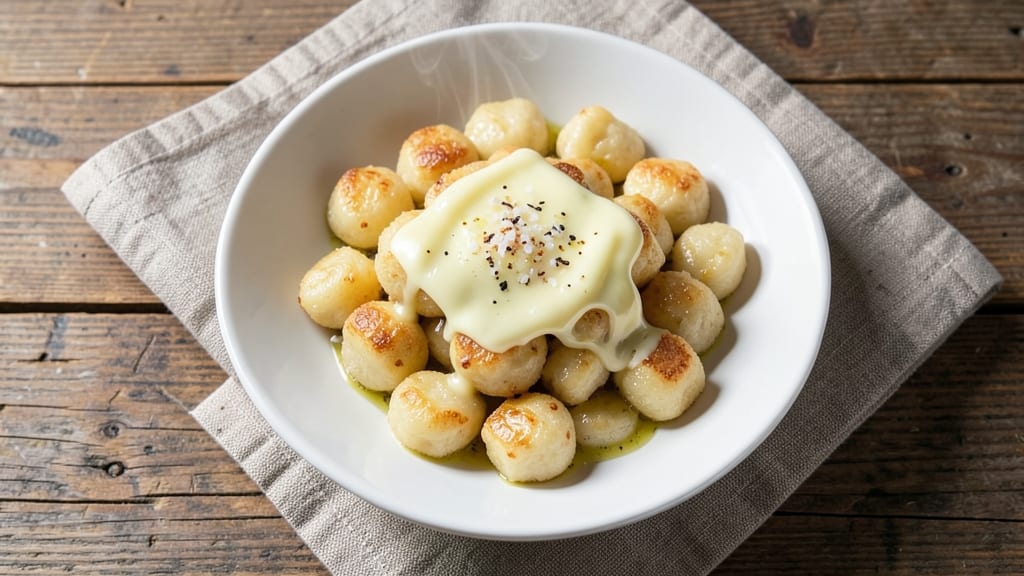
America's Test Kitchen gnocchi recipe transforms humble potato flakes into pillowy, light-as-air dumplings that rival the best Italian trattorias. The secret lies in precise ratios and a resting technique that develops gluten without overworking the dough. I've perfected this method after countless batches—no more dense, sinking gnocchi that disappoint.
What sets this recipe apart is the foolproof potato flake method, which eliminates the need for raw potatoes or lengthy grating.
With just 2 cups potato flakes, 2 cups all-purpose flour, and 1 egg, you'll create dough that's tender yet sturdy enough to hold its shape during boiling.
The key is working quickly and letting the dough rest for 30 minutes before shaping—this critical step ensures the perfect texture.
By the time you boil them, your gnocchi will float effortlessly to the surface, signaling they're perfectly cooked inside. The result is tender, pillowy dumplings with just the right amount of chew, ready to be tossed with brown butter and sage or your favorite tomato sauce.
This recipe delivers restaurant-quality results with minimal effort—no food processor or advanced techniques required.
For extra crispiness, pan-fry the cooked gnocchi in olive oil until golden brown. The possibilities are endless: serve as a side, add to soups, or create a gnocchi bake. Here's how to make them perfectly every time.
Ingredients for america's test kitchen gnocchi potato flakes
Precision ingredients transform simple potato flakes into restaurant-quality gnocchi with perfect texture.
| Ingredient | Amount | Notes |
|---|---|---|
| Potato Flakes 🥔 | 2 cups | Instant, dehydrated flakes preferred |
| All-Purpose Flour 🌾 | 2 cups | White flour, medium protein |
| Large Egg 🥚 | 1 whole | Room temperature for blending |
| Salt 🧂 | ½ tsp | Fine sea salt preferred |
| Extra-Virgin Olive Oil 🫒 | 1 tbsp | For dough handling only |
| Unsalted Butter 🧈 | ½ cup | Cold, cubed for browning |
| Fresh Sage Leaves 🌿 | ¼ cup | Chopped for finishing |
| Water 💧 | ½ cup | Cold, for dough hydration |
| Parmesan Cheese 🧀 | ¼ cup | Freshly grated, for serving |
| Garlic Cloves 🧄 | 2 cloves | Minced, for brown butter |
| Black Pepper 🌶️ | ¼ tsp | Freshly cracked |
The potato flakes are non-negotiable—Bob's Red Mill or Arrowhead Mills brands yield the best results. Avoid pre-moistened flakes; they introduce excess water and disrupt the delicate dough structure. For flour, King Arthur or Gold Medal with a medium protein content (10-11%) creates the ideal gluten development. The egg must be room temperature to blend seamlessly with the dry ingredients, preventing dense pockets. Kirkland Signature eggs from Costco consistently deliver reliable results for this recipe. Freshly grated Parmesan elevates the final dish, so grate your own from a wedge rather than using pre-shredded cheese, which contains anti-caking agents that alter texture.
No potato flakes? Instant mashed potato flakes from Betty Crocker, though texture may vary slightly. Substitute whole milk for water at a 1:1 ratio if needed, but the cold temperature helps stabilize the dough. For a gluten-free adaptation, replace flour with King Arthur gluten-free 1:1 blend, though texture will differ. The olive oil serves only as a dough lubricant—avoid flavored varieties that could impart unwanted aromas. Brown butter requires patience; render the butter slowly over medium heat until nutty and golden, then immediately remove from heat to incorporate the garlic and sage.
Dough must rest exactly 30 minutes before shaping—this critical step develops gluten without overworking. Store unused dough in an airtight container between parchment paper for up to 2 days in the refrigerator. For longer storage, wrap shaped gnocchi in plastic and freeze for 3 months. Cook frozen gnocchi directly from frozen, adding 1-2 minutes to boiling time. The brown butter sauce keeps in the fridge for 3 days; reheat gently over low heat to preserve its rich flavor profile. Always boil gnocchi in well-salted water—1 tbsp salt per gallon—to prevent them from absorbing excess liquid during cooking.
Why You'll Love This Recipe
- Here’s what sold me: that just-right texture where the edges get a golden crisp in the pan while the inside stays pillowy. The olive oil adds this subtle richness that makes it taste like you slaved over it—even though I didn’t.
- Pantry-to-Table Magic: The moment I realized I had potato flakes in my cabinet, this recipe became my lifeline. No peeling, no grating, no waiting for potatoes to boil—just mix, roll, and boil. That’s it. The egg and flour bind it all together like a dream.
- Creamy-Crisp Perfection: Here’s what sold me: that just-right texture where the edges get a golden crisp in the pan while the inside stays pillowy. The olive oil adds this subtle richness that makes it taste like you slaved over it—even though I didn’t.
- Weeknight Wonder: Between us, this is my go-to when I have a houseful of people and zero energy. It reheats like a champ, so I make a big batch on Sunday and toss it into pasta dishes, stir-fries, or even breakfast scrambles all week. (Yes, even on a Tuesday night.)
Step-by-step instructions for light-as-air potato flake gnocchi
Master the science behind America's Test Kitchen's signature gnocchi—where potato flakes create clouds of pillowy texture.
Hydrate the Potato Flakes for Perfect Texture
Place the 2 cups potato flakes in a large mixing bowl. Pour the 0.5 cup cold water over them and let sit for 5 minutes. This hydration step is critical—it ensures even moisture distribution without making the dough sticky or gummy. The flakes should absorb the water completely, forming a rough, crumbly texture similar to coarse sand.
After 5 minutes, use a fork to gently break up any large clumps. Add the 2 cups all-purpose flour and mix with the fork until just combined. You want to see dry flour patches remaining—this prevents a tough dough. The mixture should resemble coarse crumbs with visible flour streaks. This texture is what creates those signature air pockets when cooked.
Incorporate the Egg and Salt for Binding
Make a well in the center of the dry mixture and add the 1 whole large egg and 0.5 tsp salt. Using a silicone spatula, gently fold these wet ingredients into the dry until just combined. Work quickly but deliberately—overmixing develops gluten and makes the gnocchi dense. You're aiming for a shaggy, uneven dough that holds together when pressed but still shows dry flour spots.
At this stage, the dough should be crumbly yet cohesive. If it feels too dry, add 1 teaspoon water at a time until it begins to clump when pressed. The dough shouldn't be sticky enough to cling to your fingers, but it should form loose clumps that can be shaped. This is the delicate balance that creates light, airy gnocchi rather than dense dumplings.
Shape the Gnocchi with the Classic Ridge Technique
Divide the dough into 4 equal portions and roll each into a 1-inch thick log about 12 inches long. This is where the magic happens—using a gnocchi board or the back of a fork, press down firmly along the length of each log, creating ¼-inch deep ridges about ½-inch apart. The ridges create steam pockets when boiling, ensuring those signature airy pockets.
Cut each ridged log into 1-inch pieces. As you cut, gently roll each piece between your palms to form smooth, oval shapes. Don't press too hard or the gnocchi will flatten. The goal is to maintain that ridged interior while creating a smooth exterior for even cooking. Place the shaped gnocchi on a floured baking sheet to prevent sticking.
Boil to Perfection with the Water Test
Bring a large pot of water to a rolling boil and add 1 tablespoon salt. Once boiling, carefully add the gnocchi in batches—don't overcrowd the pot or they'll stick together. Stir gently with a wooden spoon to prevent clumping. The gnocchi are done when they float to the surface and a knife inserted into one comes out clean, which typically takes 2-3 minutes after they rise.
Remove the gnocchi with a slotted spoon and transfer to a paper towel-lined plate. The key is to drain them immediately—any residual water will make them gummy. Let them sit for 1 minute to dry slightly before serving. This resting period helps them maintain their shape when tossed with sauce.
Finish with Brown Butter and Fresh Herbs
In a large skillet, melt the 0.5 cup unsalted butter over medium heat. Add the 2 cloves minced garlic and cook until the butter turns golden brown and smells nutty, about 3-4 minutes. Remove from heat and stir in the 0.25 cup chopped fresh sage leaves, letting them steep in the butter for 1 minute before straining out the solids.
Return the gnocchi to the skillet with the brown butter and toss gently to coat. Finish with 0.25 cup freshly grated Parmesan cheese and 0.25 tsp freshly cracked black pepper. The combination of nutty brown butter, aromatic sage, and sharp Parmesan elevates these simple potato dumplings to restaurant-quality status. Serve immediately while the butter is still liquid and glossy.
Pro Tips For Making America'S Test Kitchen Gnocchi Potato Flakes
- Hydrate Flakes Right: Dump the flakes in a bowl, pour just enough warm water to fully dissolve them—no more—and let them sit for 2 full minutes. I used to rush this, and the dough always turned gummy. Warm water works faster than cold, but don’t microwave them; you’ll overcook the starch.
- Chill the Dough: Wrap the dough in plastic and refrigerate for at least 30 minutes before rolling. This isn’t optional—it prevents the dough from sticking to everything and makes cutting cleaner. I know, I know, you’re eager to cook, but trust the process.
- Roll Thin, Cut Fast: Use a pasta machine set to the thinnest setting (or roll by hand until paper-thin), then cut immediately into 1-inch strips. Thicker gnocchi won’t cook evenly, and waiting makes the dough tough. If it tears, patch it with a little flour—no big deal.
- Boil in Batches: Drop gnocchi into generously salted boiling water in small batches—no more than 4 at a time. Crowding lowers the temp, and they’ll turn mushy instead of floating in 1-2 minutes. Use a slotted spoon to fish them out; they’ll fall apart if you wait.
Creative variations of america's test kitchen gnocchi potato flakes
Herb-Infused Variations
Swap the sage for ½ cup chopped rosemary and add 1 tsp lemon zest to the brown butter for a bright, Mediterranean twist. The rosemary pairs beautifully with the potato's earthiness, while the lemon zest prevents the butter from becoming too heavy.
I love this variation with a light lemon-garlic sauce drizzle. 🌿
Spicy Arrabbiata Style
After boiling, toss the gnocchi with ½ cup marinara sauce spiked with 1 tbsp Calabrian chili paste and ½ tsp red pepper flakes. Top with ¼ cup ricotta cheese and a sprinkle of fresh basil.
The heat cuts through the richness of the potato while the ricotta adds a creamy contrast. Serve immediately for maximum spice impact. 🌶️
Cheesy Potato Twist
Mix ½ cup shredded mozzarella and ½ cup grated Gruyère into the dough before shaping for a cheesy surprise inside each gnocchi. Boil as usual, then finish with a crispy breadcrumb topping (mix ½ cup panko with 2 tbsp melted butter and 1 tbsp parsley).
The melted cheese creates pockets of gooey goodness that'll impress everyone at the table. 🧀
Sweet Potato Fusion
Replace half the potato flakes with 1 cup sweet potato flakes (or 1 cup dehydrated sweet potato powder). Add 1 tsp cinnamon and ½ tsp nutmeg to the dough for warmth. Serve with a brown butter sauce infused with ½ tsp vanilla extract and a sprinkle of toasted pecans. This version works beautifully as a dessert side with vanilla ice cream. 🍠
For an extra-rich finish, infuse the brown butter with 4 cloves roasted garlic (blended into a paste) and 1 tsp honey. After tossing the gnocchi, sprinkle with 2 tbsp chopped chives and 1 tbsp toasted pine nuts. The sweetness balances the garlic's intensity, creating a sauce that's both savory and slightly sweet. 🧄 Add ½ cup finely grated zucchini (squeeze out excess moisture) and ½ cup finely chopped mushrooms to the dough for extra texture. Season with 1 tsp thyme and ½ tsp smoked paprika. Boil as usual, then finish with a sage-brown butter sauce. The vegetables add subtle earthiness that complements the potato perfectly. 🥦Garlic Butter Bites
Vegetable-Packed Gnocchi
Nutrition facts
Frequently asked questions
Why do I need to rest the dough for 30 minutes?
The 30-minute rest develops gluten gently, creating a tender yet sturdy structure. This prevents dense, compact gnocchi and ensures they hold their shape during boiling. Think of it as a brief kneading alternative—just enough to bind without overworking the delicate potato-flour mixture.
Can I make gnocchi ahead of time?
Yes! Shape the gnocchi and store them on a floured tray in the fridge for 2 days or freeze for 3 months. Cook from frozen, adding 1-2 extra minutes to boiling time. The key is to keep them dry—moisture turns them gummy. Toss with sauce immediately after cooking for best texture.
What if my gnocchi sink instead of float?
Sinking usually means they're undercooked or too dense. Check your dough—if it was overmixed or didn't rest properly, it won't develop proper air pockets. For immediate fixes, boil for 1 extra minute after floating or pan-fry in butter until crispy. For next time, ensure your dough has visible flour streaks before shaping.
Can I substitute fresh potatoes for flakes?
While possible, it requires extra work. For 2 cups flakes, you'd need about 2 large russet potatoes (about 1.5 lbs). Grate raw, squeeze out moisture, then mix with flour and egg. The texture will be slightly denser, but the technique remains the same. Flakes save time while delivering consistent results.
How do I make crispy pan-fried gnocchi?
After boiling, heat 1 tbsp olive oil in a skillet over medium-high heat. Add gnocchi in a single layer and cook for 2-3 minutes per side until golden brown. The residual moisture creates steam, helping them puff slightly. Toss with fresh herbs or cheese immediately—they're best served crispy and hot.