
Side Dishes
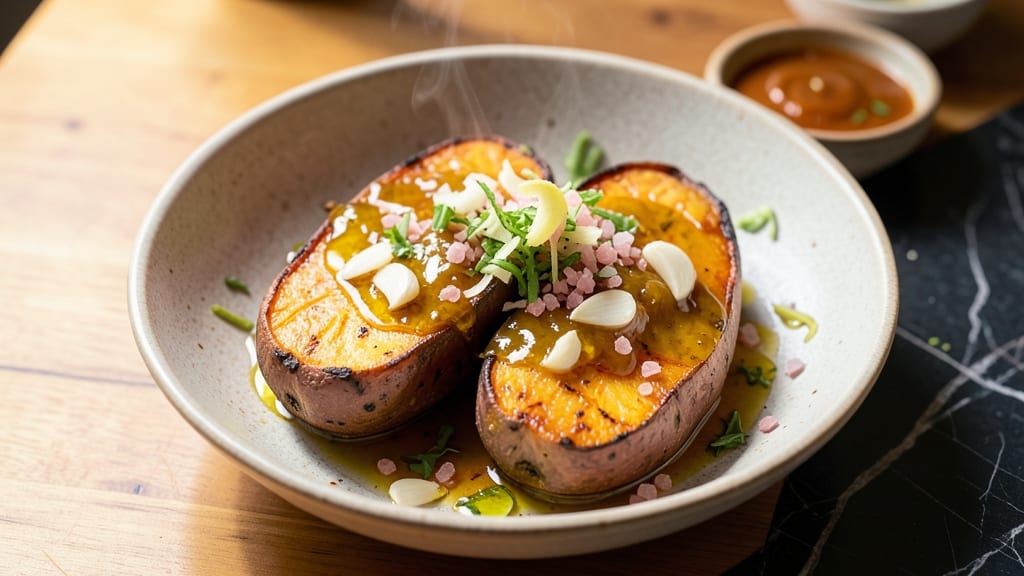
This anti-inflammatory sweet potato recipe transforms humble root vegetables into a gut-healing powerhouse with turmeric and ginger. Roasting brings out their natural sweetness while preserving nutrients like beta-carotene and fiber. The golden spices don't just add flavor—they create a potent anti-inflammatory blend that supports digestion and reduces inflammation.
The secret lies in the combination of turmeric (with its curcumin content) and fresh ginger, both proven to calm digestive discomfort. I've developed this method to maximize nutrient retention while achieving that perfect caramelized texture. No special equipment needed—just a baking sheet and basic pantry staples.
By the time these sweet potatoes emerge from the oven, they'll be tender yet firm, with crispy edges and vibrant color. The aroma alone signals a meal that nourishes both body and soul. Serve as a side dish or main component of a balanced anti-inflammatory plate.
This recipe delivers more than just flavor—it's a simple way to incorporate powerful anti-inflammatory foods into your daily diet. Let's get started with the ingredients that will transform your meal prep.
Ingredients for anti inflammatory sweet potato
Twelve ingredients for a gut-healing roast that balances natural sweetness with potent anti-inflammatory spices.
| Ingredient | Amount | Notes |
|---|---|---|
| Sweet Potatoes 🍠 | 2 lb | Medium-sized, organic preferred |
| Extra-Virgin Olive Oil 🫒 | ¼ cup | Cold-pressed, unfiltered |
| Ground Turmeric 🌿 | 1 tbsp | Freshly ground preferred |
| Fresh Ginger 🌿 | ½ cup | Grated, organic preferred |
| Garlic Cloves 🧄 | 4 cloves | Minced, fresh preferred |
| Himalayan Pink Salt 🧂 | 1 tsp | Fine grain, unrefined |
| Ground Black Pepper 🌶️ | ½ tsp | Freshly cracked |
| Coconut Oil 🥥 | 1 tbsp | Melted, for crispiness |
| Cinnamon 🌿 | ½ tsp | Ceylon preferred |
| Fresh Cilantro 🌿 | ¼ cup | Chopped, for garnish |
| Lemon Juice 🍋 | 2 tbsp | Freshly squeezed |
| Blackstrap Molasses 🍯 | 1 tsp | For depth of flavor |
The sweet potatoes are the foundation—organic varieties like Beauregard or Garnet have the highest beta-carotene content. Local farmers markets often carry heirloom varieties with superior flavor. For turmeric, Sprouts Farmers Market sells freshly ground in small quantities, ensuring maximum curcumin potency. Fresh ginger should be vibrant and firm; avoid any with soft spots or mold. The garlic cloves should be plump and free of sprouts—Whole Foods carries organic bulbs year-round.
No fresh ginger? Powdered ginger at one-third the amount works, though it lacks the same depth of flavor. Substitute Ceylon cinnamon with regular cinnamon if needed, but it's less refined. For extra richness, avocado oil can replace olive oil in a 1:1 ratio. The blackstrap molasses adds a subtle depth—if unavailable, date syrup is a suitable alternative. Fresh cilantro can be swapped for dried cilantro at one-tenth the amount, though the texture differs significantly. Preferring less heat? Reduce the black pepper to one-quarter teaspoon.
Sweet potatoes keep well in a cool, dark place for 2-3 weeks, but roasting them immediately after purchasing maximizes nutrient retention. The spices should be stored in airtight containers away from light to preserve their anti-inflammatory properties for up to 6 months. Once roasted, these sweet potatoes reheat beautifully—simply microwave for 1-2 minutes with a splash of water to restore moisture. Portion into single servings for easy meal prep, and store in the fridge for 4-5 days.
Why You'll Love This Recipe
- One-Pan Magic: I swear by this when I’m too tired to scrub pots—just toss cubed sweet potatoes with olive oil, turmeric, and garlic, then roast until caramelized. The sheet pan does all the work while I sip tea and pretend I’m not cooking.
- Golden-Garlic Glow: That first bite of crispy edges with tender, buttery sweet potatoes? It’s like a hug in food form. The fresh ginger and turmeric add warmth without overpowering—honestly, my partner asks for seconds before I even finish serving.
- Meal-Prep MVP: Between us, this is my go-to for lunches all week. Roast a big batch on Sunday, and you’ve got a satisfying side for salads, bowls, or even breakfast hash. (Yes, even on a Tuesday night when you’re craving something hearty but don’t want to slave over it.)
- Budget Bright Spot: Sweet potatoes and spices are cheap, but they feel like a fancy dish. I’ve fed four people for under $10 with this, and the leftovers? Still delicious three days later. Plus, no fancy ingredients to break the bank—just pantry staples.
Step-by-step instructions for turmeric-ginger roasted sweet potatoes
A potent blend of anti-inflammatory spices transforms humble sweet potatoes into a vibrant, nutrient-packed dish.
Prep and Marinate the Sweet Potatoes
Preheat your oven to 400°F and line two baking sheets with parchment paper. Peel and cut the 2 lb sweet potatoes into 1-inch cubes, ensuring even size for consistent roasting. Place them in a large bowl and set aside.
In a separate bowl, combine the 0.25 cup extra-virgin olive oil, 1 tbsp ground turmeric, 0.5 cup grated fresh ginger, 4 minced garlic cloves, 1 tsp Himalayan pink salt, 0.5 tsp ground black pepper, and 0.5 tsp cinnamon. This golden marinade is where the anti-inflammatory magic begins—turmeric and ginger work together to reduce inflammation while cinnamon adds warmth and depth.
Pour the marinade over the sweet potatoes and toss gently with clean hands until every piece is evenly coated. Let them sit for 15 minutes at room temperature—this allows the spices to penetrate and the flavors to meld. The mixture should take on a vibrant yellow hue from the turmeric.
Roast Until Caramelized
Spread the marinated sweet potatoes in a single layer on the prepared baking sheets, leaving space between each piece for even air circulation. Drizzle each tray with 0.5 tbsp melted coconut oil—this enhances browning and adds a subtle coconut aroma that complements the spices.
Roast for 25-30 minutes, stirring once halfway through, until the edges are deep golden brown and the sweet potatoes are tender when pierced with a fork. The coconut oil will create crispy edges while keeping the interior moist. If you notice any pieces browning too quickly, rotate the trays between the oven racks to ensure even cooking.
Here's the thing—don't overcrowd the pans. If you're working with a large batch, roast in smaller batches if needed. Overcrowding steams the potatoes instead of roasting them, which defeats the purpose of achieving that perfect caramelized crust.
Finish with Molasses and Lemon
Remove the roasted sweet potatoes from the oven and transfer them to a large serving bowl. In a small saucepan over low heat, combine the 1 tsp blackstrap molasses and 2 tbsp freshly squeezed lemon juice. Simmer for 2-3 minutes until the molasses dissolves and the mixture thickens slightly—this creates a glossy glaze that balances the earthy spices with a touch of sweetness and bright acidity.
Pour the warm molasses-lemon mixture over the roasted sweet potatoes and toss gently to coat evenly. The molasses adds a deep, almost caramel-like flavor that enhances the natural sweetness of the potatoes, while the lemon juice cuts through the richness and brightens the dish. Sprinkle with 0.25 cup chopped fresh cilantro just before serving for a fresh, herbal finish.
Let the sweet potatoes rest for 5 minutes before serving. This brief rest allows the flavors to settle and the juices to redistribute, ensuring each bite is packed with flavor and texture. The final dish should be a vibrant yellow-orange color with crispy edges and tender centers, ready to be enjoyed as a side or a hearty main.
Pro Tips For Making Anti Inflammatory Sweet Potato
- USE A SKINNY KNIFE FOR GINGER: That thick, hulking ginger root from the store is a pain to peel and grate—especially when you’re in a hurry. Grab a small, sharp knife, cut off the ends, then slice off the peel in one long strip like you’re unwrapping a candy bar. No wasted time scrubbing or peeling awkward chunks.
- ROAST SWEET POTATOES AT 400°F: I used to bake these at 375°F, thinking it was gentler, but the edges would turn mushy before the centers cooked. Crank it to 400°F for crispy skin and tender flesh—just toss them in a single layer, cut-side down, and resist the urge to poke them while they’re cooking.
- GRIND GARLIC WITH THE SKIN ON: Peeling garlic cloves is tedious, and you’ll still end up with stray bits in your mortar or pan. Leave the skins on, smash the cloves flat with the side of your knife, then grind them directly into the olive oil. The skins burn off easily, and you’ll get every last bit of flavor without the mess.
- DON’T SKIP THE 10-MINUTE REST: After roasting, let the sweet potatoes sit under foil for at least 10 minutes—yes, even if you’re starving. This lets the residual heat finish cooking them through and makes slicing them for bowls or salads a breeze. Trust me, your knife will thank you.
Troubleshooting this dish
Uneven Cooking Fix
If your sweet potatoes emerge with some pieces undercooked and others burned, the issue is likely uneven air circulation. Start by cutting all potatoes to exactly 1-inch cubes—consistent size ensures even cooking.
Arrange them in a single layer with ½-inch gaps between pieces. For large batches, use two baking sheets instead of overcrowding one. Rotate pans halfway through roasting if your oven has hot spots. 🌡️
Soft Instead of Tender
Over-roasting turns sweet potatoes mushy, but you can salvage them by adjusting techniques. Reduce oven temperature to 375°F and roast for 35-40 minutes instead of 400°F. For extra moisture, toss with 1 tbsp water before roasting or use a light spray of olive oil instead of coconut oil.
The key is lower heat + shorter time—this preserves texture while finishing properly.
Spices Not Adhering
If your marinade slides off instead of sticking, the potatoes need better surface adhesion. Pat them completely dry with a kitchen towel before tossing with spices—moisture creates a barrier. For extra grip, mix 1 tsp cornstarch into your spice blend.
Let the marinated potatoes sit 20 minutes (instead of 15) to maximize absorption. This ensures every bite delivers that anti-inflammatory spice punch.
Oven Temperature Issues
Ovens vary wildly—if your dish isn't cooking as expected, calibrate your oven. Place an oven thermometer on the middle rack while preheating. If it reads 15°F lower than set, increase your target to 415°F for the same results.
For convection ovens, reduce temperature by 25°F and check at 20 minutes—convection cooks faster due to forced air circulation.
Lemon-Molasses Glaze Too Thin
A runny glaze happens when molasses doesn't thicken properly. Simmer the molasses-lemon mixture for 3-4 minutes (not 2-3) until it reaches a syrup-like consistency. For extra thickness, add ½ tsp arrowroot powder mixed with 1 tsp water.
If the glaze is too strong, balance it with 1 extra tbsp lemon juice—this brightens the dish while maintaining that anti-inflammatory sweetness.
Storage Texture Problems
Reheated sweet potatoes often lose crispiness, but you can prevent this. Store in single layers in airtight containers with parchment paper between layers. To reheat, use the oven method: 350°F for 10 minutes (covered with foil) instead of microwaving.
For extra crunch, sprinkle with 1 tsp melted coconut oil before reheating—this restores that golden crust without drying them out. ✨
Nutrition facts
Frequently asked questions
Can I use regular potatoes instead of sweet potatoes?
While you can substitute white or red potatoes, you'll miss out on the anti-inflammatory benefits of sweet potatoes. Sweet potatoes contain higher levels of beta-carotene, vitamin A, and fiber that support gut health. If you must use regular potatoes, boost the anti-inflammatory power by adding extra spices like turmeric and ginger to compensate for the nutrient difference.
How can I make this dish vegan?
This recipe is already vegan-friendly! Simply ensure your blackstrap molasses is certified vegan (most brands are) and check that your Himalayan pink salt contains no animal-derived additives. The dish relies entirely on plant-based ingredients, making it perfect for vegan diets while maintaining its powerful anti-inflammatory properties.
What are the best ways to serve these roasted sweet potatoes?
These flavorful sweet potatoes work beautifully as a side dish with grilled chicken or fish, or as a hearty main when paired with quinoa and steamed greens. For extra protein, serve alongside black beans or lentils. The molasses-lemon glaze also makes them perfect as a topping for salads or toasted bread for a quick breakfast option.
Can I prepare this recipe without an oven?
Yes! For a stovetop version, use a heavy skillet with 1 tbsp coconut oil over medium heat. Cook the sweet potatoes in batches for 12-15 minutes, stirring occasionally, until caramelized. The texture will be slightly different but still delicious. For extra crispiness, finish under a broiler for 2-3 minutes.
How do I know if my sweet potatoes are organic?
Look for the USDA Organic label or the organic seal from your country's organic certification program. At farmers markets, ask the vendor directly about farming practices. If organic isn't available, thoroughly wash conventional sweet potatoes with a baking soda solution (1 tbsp baking soda per gallon of water) to remove pesticide residues before peeling and cooking.