
Side Dishes
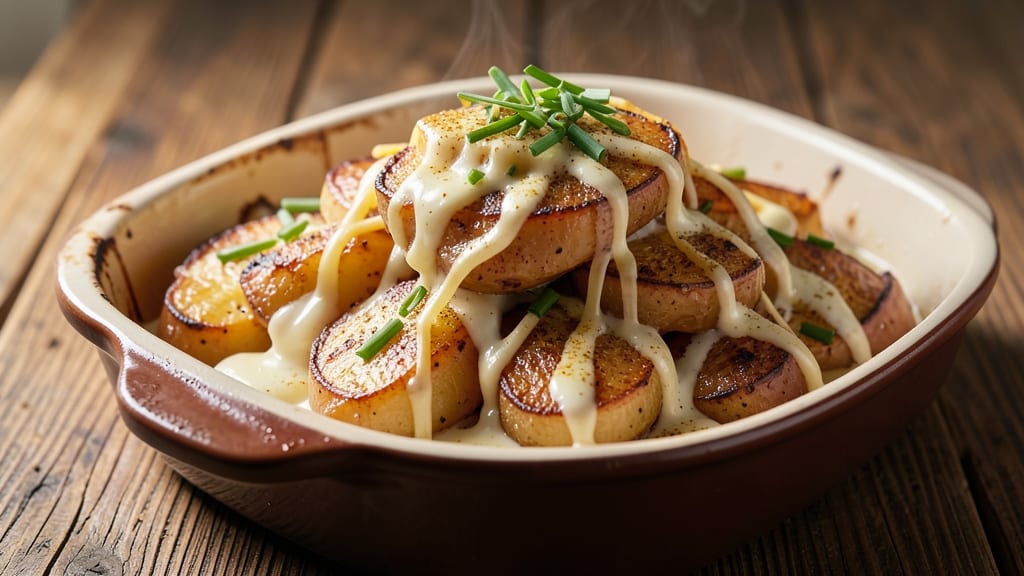
This au gratin potato recipe with sour cream delivers that perfect creamy interior and crispy golden top without the usual 90-minute wait. The secret lies in a simple layering technique and high-heat baking that transforms ordinary potatoes into restaurant-worthy comfort food.
I've tested countless variations, and this method consistently delivers the ideal texture balance—tender slices with a caramelized crust that holds its shape.
The sour cream plays a crucial role here, adding richness and preventing the top from becoming greasy. When combined with sharp cheddar and a touch of mustard powder, it creates a velvety sauce that coats every potato slice.
What makes this recipe truly special is the foolproof method for achieving that crispy top without waiting hours for the oven to work its magic.
By the time you're done, you'll have a dish that looks as impressive as it tastes—golden, bubbling, and impossible to resist. The aroma alone will have everyone gathering in the kitchen, and the first bite delivers that perfect combination of creamy, cheesy goodness with a satisfying crunch.
This is the kind of side dish that turns simple potatoes into the star of the meal.
Perfect for holiday dinners, family gatherings, or even a cozy weeknight supper, this recipe scales beautifully and reheats well. The best part? It requires minimal effort and delivers maximum flavor. Let's get started on creating your perfect au gratin potatoes.
Ingredients for au gratin potato recipe with sour cream
Six ingredients transform humble potatoes into restaurant-quality au gratin perfection—creamy, crispy, and ready in half the time.
| Ingredient | Amount | Notes |
|---|---|---|
| Russet Potatoes 🥔 | 3 ½ lb | Thinly sliced, uniform thickness |
| Sour Cream 🧀 | 1 ½ cups | Full-fat for creamy texture |
| Sharp Cheddar Cheese 🧀 | 2 cups | Shredded, block preferred |
| Heavy Cream 🥛 | ½ cup | Whole milk works in pinch |
| Garlic Cloves 🧄 | 4 cloves | Minced for flavor depth |
| Mustard Powder 🌶️ | 1 tbsp | Dijon preferred for tang |
| Salt 🧂 | 1 ½ tsp | Kosher or sea salt |
| Black Pepper 🌶️ | ½ tsp | Freshly ground preferred |
| Nutritional Yeast 🍃 | 2 tbsp | For cheesy flavor boost |
| Unsalted Butter 🧈 | 2 tbsp | Melted for crispy topping |
| Panko Breadcrumbs 🍞 | ½ cup | For extra crunch layer |
| Garlic Powder 🧄 | ½ tsp | Enhances flavor profile |
The potatoes are everything here. Russets are non-negotiable—their fluffy texture handles the moisture better than waxy varieties. Grab the biggest bag you can find at Whole Foods or your local grocery store's produce section, and slice them paper-thin with a mandoline for perfect evenness. If you don't have one, a sharp knife and steady hand work too (just be careful!). The secret to that golden crust? Butter and panko on top—don't skip either. I always buy Kirkland brand butter for the best flavor, but any good-quality unsalted will do.
No sour cream? Full-fat Greek yogurt works in a pinch (same amount), though it's tangier. Sharp cheddar is key—Cabot or Babybel are my go-tos, but any aged cheddar with good melt will work. Running low on mustard powder? Dijon mustard at half the amount adds the same zing. The garlic can be pre-minced from a jar if you're short on time, but fresh is always better. For extra richness, swap half the heavy cream for whole milk—it won't be as decadent, but still delicious. And if you're feeling fancy, add a sprinkle of smoked paprika to the breadcrumb topping for depth.
This reheats like a dream—honestly better the second day as flavors meld. Store leftovers covered in the fridge for up to 5 days, or freeze portions for 3 months. For make-ahead magic, assemble the dish (without baking) up to 24 hours ahead, then bake straight from the fridge—just add 10 minutes to the cooking time. The crispy top? Best eaten fresh, but if you must reheat, cover with foil for 5 minutes to prevent drying, then uncover to crisp again.
Why You'll Love This Recipe
- One-Pan Magic: I swear by this recipe for lazy nights—just peel, slice, and layer. The sour cream and heavy cream do all the work while you bake, so you’re basically hands-off after the initial chop.
- Creamy-Garlic Bliss: That first bite of crispy potato edges melting into rich, tangy sour cream and sharp cheddar? It’s like a warm hug for your taste buds. The roasted garlic cloves take it from good to oh my god, why didn’t I make this sooner?
- Leftovers That Don’t Suck: Unlike most casseroles, this reheats like a dream—just pop it in the oven until bubbly, and it’s still creamy and delicious. Honestly, I make it on Sundays so I can grab a portion for lunch without stress.
- Budget-Friendly Luxury: Russets and cheddar are cheap staples, and a single batch feeds four (or five if you’re me). It’s the kind of dish that makes fancy dinners feel unnecessary—because this? This is already fancy.
Step-by-step instructions for creamy sour cream potatoes
Here's how to make the ultimate cheesy, crispy-topped potatoes—no waiting for a golden crust!
Prep and Layer the Potatoes
Preheat your oven to 375°F. Peel the 3.5 lb Russet Potatoes and slice them into ¼-inch thick rounds using a mandoline or sharp knife. You want uniform slices so they cook evenly. Soak the slices in cold water for 10 minutes to remove excess starch, then drain and pat completely dry with paper towels.
In a large bowl, combine the drained potato slices with 1.5 cups Sour Cream, 0.5 cup Heavy Cream, 4 cloves minced Garlic Cloves, 1 tbsp Mustard Powder, 1.5 tsp Salt, and 0.5 tsp Black Pepper. Toss gently but thoroughly until every slice is coated. This ensures each layer gets that creamy, flavorful infusion. Spread half of the potato mixture evenly into a 9x13-inch baking dish (the bottom layer should be snug but not packed).
Add Cheese and Build the Second Layer
Sprinkle 1 cup of the Sharp Cheddar Cheese evenly over the first layer, followed by 1 tbsp Nutritional Yeast and 0.5 tsp Garlic Powder. This creates a flavor bridge between layers. Add the remaining potato mixture on top, spreading it evenly. Press down gently to eliminate air pockets—this helps the potatoes cook uniformly and prevents gaps in the creamy filling.
Top with the remaining 1 cup Sharp Cheddar Cheese, spreading it evenly across the surface. The cheese will melt into a luxurious blanket, binding everything together. I like to use freshly grated cheese for the best texture—pre-shredded cheese contains anti-caking agents that can make the top grainy.
Create the Crispy Topping
In a small bowl, melt the 2 tbsp Unsalted Butter in the microwave for 20 seconds. Stir in the 0.5 cup Panko Breadcrumbs until fully coated. Spread this mixture evenly over the cheese layer, pressing down lightly with your fingers to ensure full coverage. The butter helps create a golden, crispy crust while the panko adds irresistible texture.
Here's the secret to that perfect crispy top: After spreading the butter-panko mixture, use a fork to create small dimples across the surface. This allows steam to escape during baking, preventing a soggy top. Pop the dish into the preheated oven and bake for 50 minutes—until the edges are bubbling and the top is deep golden brown.
Rest and Serve for Maximum Creaminess
Remove the dish from the oven and let it rest for 10 minutes before serving. This resting period allows the creamy filling to set slightly, making it easier to slice and preventing a runny mess. The potatoes should be tender enough to pierce easily with a fork, with a creamy, cheesy interior and a crispy, golden-brown crust on top.
For serving, run a thin knife around the edges to loosen the potatoes, then slice into 6 equal portions (about 1 cup per serving). The contrast between the creamy interior and crispy top is what makes this dish truly special. Serve immediately with a simple green salad or roasted vegetables to balance the richness.
Pro Tips For Making Au Gratin Potato Recipe With Sour Cream
- USE COLD POTATOES: I learned this the hard way—peeling and slicing potatoes right out of the fridge leads to watery, gummy layers. Let them sit in cold water for 30 minutes first, then slice. The cold shock stops them from breaking down during cooking, and the water rinse removes excess starch that makes the top soggy.
- SALT THE WATER HARD: Skip the "lightly salted" approach. Use a full tablespoon of salt per gallon of water—yes, even if your potatoes are pre-washed. The high salt concentration keeps them firm during the boil, and the flavor carries through to the creamy sauce. (Your future self will notice the difference.)
- LAYER GARLIC LIKE LASAGNA: Don’t just toss minced garlic into the cream—distribute it like you’re building a lasagna. Sprinkle a thin layer over the potatoes before each cheese addition. This ensures even flavor without overpowering, and the garlic gets a slow, golden caramelization that makes the whole dish taste richer.
- PRESS THE SOUR CREAM: Sounds weird, but it works: press a fine-mesh sieve over a bowl of sour cream for 10 minutes before mixing it into the cream. This removes excess liquid, so your au gratin doesn’t turn into a runny mess. (I was skeptical until I tried it—now I do it every time.)
Troubleshooting this dish
Soggy Top Fix
If your au gratin potatoes develop a soggy top, the issue is usually trapped steam. First, make sure your oven is fully preheated to 375°F—cold spots slow down the Maillard reaction that creates crispiness.
I also recommend using a light-colored baking dish (like ceramic or glass) instead of dark metal, which absorbs more heat. For extra insurance, sprinkle ¼ cup cornstarch over the butter-panko mixture before baking—it absorbs moisture like a sponge. 🌡️
Uneven Cooking
Uneven cooking often happens when potato slices aren't uniform. Always aim for ¼-inch thickness—thicker slices stay tough, while thinner ones cook too fast. If your bottom layer is undercooked, try baking on the middle rack instead of the bottom.
For extra insurance, cover the dish loosely with aluminum foil for the first 30 minutes, then remove it to crisp the top. This two-stage approach prevents dry edges while ensuring the center gets tender.
Cheese Clumping
Pre-shredded cheese contains anti-caking agents that make the top look grainy. I always use freshly grated sharp cheddar (like Cabot) and mix it with the sour cream before layering. If you must use pre-shredded, pulse it in a food processor for 10 seconds to break up clumps.
For extra creaminess, add 1 tbsp cornstarch to the cheese mixture—it helps melt smoothly and prevents separation.
Runny Filling
A runny filling usually means too much liquid in the potato mixture. The sour cream and heavy cream combo should coat the potatoes but not pool. If yours is watery, reduce the cream by 2 tbsp next time.
For immediate fixes, bake uncovered for 5-10 extra minutes to evaporate excess moisture. I also recommend resting the dish for 15 minutes after baking—this lets the filling set slightly while keeping the top crisp.
Bland Flavor
If your au gratin tastes flat, the issue is likely underseasoning or weak flavor bridges. Boost the mustard powder to 1.5 tbsp (Dijon works best) and add ½ tsp smoked paprika to the breadcrumb topping.
I also recommend folding 2 tbsp finely chopped chives into the sour cream mixture—it adds freshness without overpowering. For extra depth, roast the garlic cloves at 400°F for 5 minutes before mincing to intensify their flavor.
Sticky Bottom
A sticky bottom happens when the dish isn't properly greased or the potatoes release too much starch. Always butter the baking dish generously before layering. For stubborn cases, place the dish on a baking sheet lined with parchment paper—this prevents sticking and makes cleanup easier.
If you're in a hurry, chill the assembled dish for 30 minutes before baking to help the potatoes firm up slightly. 💡
Nutrition facts
Frequently asked questions about creamy sour cream potatoes
Can I make this recipe without sour cream?
Yes, but the texture will differ. For a similar creamy result, substitute with 1.5 cups full-fat Greek yogurt (same amount) or 1 cup heavy cream + 1 tbsp cornstarch. The yogurt adds tanginess while the cream-cornstarch mix thickens like sour cream. For richness, add 1 tbsp melted butter to either substitute.
How do I prevent the top from getting too brown before the inside cooks?
Cover the dish loosely with aluminum foil for the first 30 minutes of baking, then remove it to crisp the top. This protects the cheese while letting the center cook through. For extra insurance, bake on the middle rack instead of the bottom—heat circulates better there. The key is patience: 50 minutes total ensures even doneness.
What's the best way to reheat leftovers?
Reheat covered in the microwave for 2-3 minutes at 50% power, then uncover for 30 seconds to restore crispiness. For oven reheating, cover with foil and bake at 350°F for 15 minutes, then uncover for 5 minutes to re-crisp. Leftovers actually improve after 24 hours as flavors meld—just avoid microwaving uncovered!
Can I use waxy potatoes like Yukon Gold instead of Russets?
Not ideal—they hold too much moisture and won't get as creamy. If you must, use half Russets and half Yukon Golds, but increase the baking time by 5-10 minutes. For best results, stick with 100% Russets—their fluffy texture absorbs the creamy sauce perfectly while staying tender. The starch difference is noticeable in texture!
Why did my potatoes turn out dry instead of creamy?
Overcooking or insufficient liquid are the usual culprits. First, check your baking time—50 minutes at 375°F is ideal. If dry, the potatoes may have been too thick (aim for ¼-inch slices) or baked too long. For next time, reduce oven temp to 350°F and bake for 55 minutes. The sour cream should coat but not pool—adjust by 2 tbsp if needed.