
Desserts
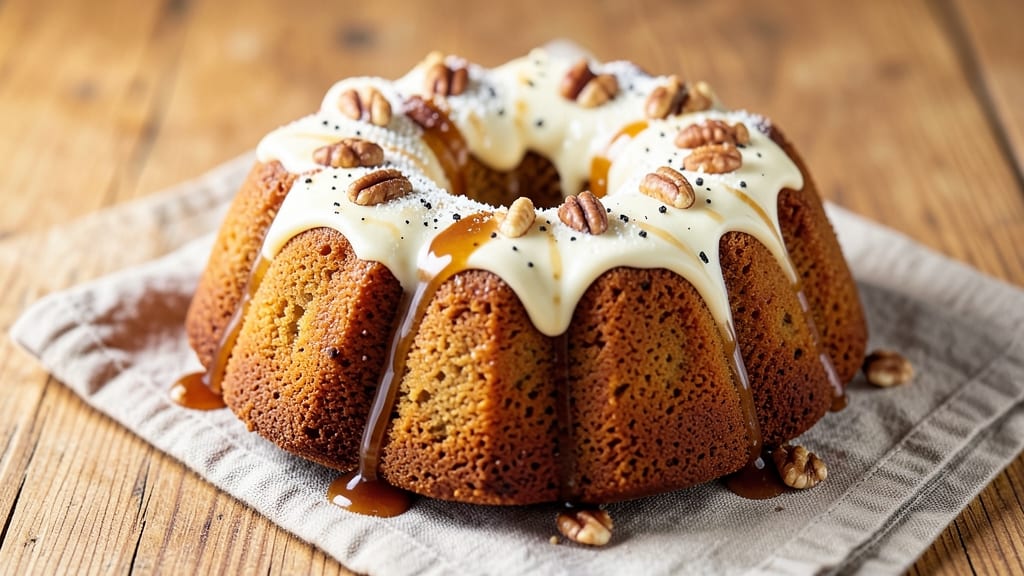
This sweet potato bundt cake recipe with sour cream delivers the perfect balance of moist, spiced center and a golden, buttery crunch—all in one elegant bake. The secret lies in the sour cream, which tenderizes the cake while adding subtle richness that pairs beautifully with warm cinnamon and nutmeg.
I’ve perfected this recipe over years of baking, ensuring every slice stays soft and flavorful for days.
The sour cream isn’t just for moisture—it creates that signature velvety texture while keeping the cake light, even as it bakes. Combined with pureed sweet potato, this recipe transforms a humble dessert into something extraordinary, with a caramelized crust that cracks just enough for that satisfying crunch.
The oven temperature of 325°F ensures even baking, while the 50-70 minute timeline lets the flavors meld without drying out.
What makes this bundt cake truly special is its versatility. Serve it dusted with powdered sugar for a classic finish, drizzled with citrus glaze for brightness, or topped with whipped cream for extra indulgence.
The moist center and buttery edges make it ideal for holidays, brunch gatherings, or a cozy weekend treat—each slice is a testament to how simple ingredients can create something truly memorable.
Ready to bake? This recipe is designed for success, with foolproof steps and a technique that guarantees a cake so moist, it’ll disappear faster than you can say "second slice." Let’s get started—your kitchen (and taste buds) will thank you.
Ingredients for sweet potato bundt cake recipe with sour cream
Sweet potatoes, sour cream, and warm spices create the perfect bundt cake balance.
| Ingredient | Amount | Notes |
|---|---|---|
| Sweet Potatoes 🍠 | 1 ½ lb | Peeled, pureed smooth |
| All-Purpose Flour 🌾 | 2 ½ cups | Sifted for light texture |
| Granulated Sugar 🍚 | 1 ½ cups | White or light brown |
| Sour Cream 🥛 | 1 cup | Full-fat for richness |
| Unsalted Butter 🧈 | 1 cup | Melted, room temperature |
| Large Eggs 🥚 | 2 whole | Room temperature |
| Vanilla Extract 🌿 | 2 tsp | Pure extract preferred |
| Ground Cinnamon 🌶️ | 2 tsp | Freshly ground if possible |
| Ground Nutmeg 🌿 | 1 tsp | Freshly grated |
| Ground Cloves 🌶️ | ½ tsp | Lightly toasted |
| Baking Powder 🧂 | 2 tsp | Double-acting preferred |
| Salt 🧂 | ½ tsp | Fine sea salt |
| Powdered Sugar 🍚 | ½ cup | For dusting |
The sweet potatoes are the foundation. Organic sweet potatoes from the produce section—look for bright orange flesh, no bruises—make all the difference. I always grab mine from Whole Foods when possible, but the regular grocery store variety works fine. Puree them until completely smooth, no lumps, and let them cool before mixing. The sour cream? Full-fat is non-negotiable—it's what gives that signature velvety texture. If you're using a substitute, Greek yogurt works in a pinch, but it won't be quite the same.
No vanilla extract? Vanilla bean paste or even vanilla sugar will work—just adjust the amount to taste. The spices are where this cake shines: Penzeys Spices has the best ground cinnamon and nutmeg, but regular grocery store brands are fine if they're fresh. Want more warmth? Add a pinch of cardamom or allspice. The baking powder is crucial—double-acting is best—so don't skip checking the label. For the butter, Land O'Lakes or Plugrá are my go-tos, but any unsalted brand will do. And if you're worried about the cake being too sweet, the natural sweetness of the potatoes balances it perfectly.
This cake keeps beautifully—3-4 days wrapped at room temperature or 1 week in the fridge. For longer storage, freeze slices wrapped individually for up to 3 months. The powdered sugar dusting adds that restaurant-quality finish, but you can also drizzle with citrus glaze or caramel sauce if you're feeling fancy. I always make two cakes when hosting—one for today, one for tomorrow. Trust me, you'll want seconds.
Why You'll Love This Recipe
- No-Mix Hassle: I swear by this recipe because it’s basically a dump-and-bake situation. You mash the sweet potatoes, toss in the dry ingredients, fold in the sour cream and butter—no standing over a hot stove for hours. The Bundt pan does all the work, and honestly? That’s my kind of baking.
- Moist Magic: That sour cream? It’s the secret weapon. It keeps the cake tender and rich, while the roasted sweet potatoes add a natural sweetness that cuts through the flour’s density. The result? A slice that’s dangerously good—like dessert that doesn’t feel guilty.
- Crowd-Pleaser Any Day: Between us, this cake is my go-to for brunch, potlucks, or even a lazy Sunday. The natural sweetness and buttery richness make it a hit with kids (my nephew licks the plate), adults, and anyone who thinks cake should be a daily thing. No frosting needed—just pure satisfaction.
- Budget Baking: Sweet potatoes and sour cream stretch your dollar farther than you’d think. A single bag of sweet potatoes and a tub of sour cream make multiple cakes, and the sugar/flour costs pennies. Plus, leftovers? They reheat beautifully—perfect for a quick breakfast or after-school snack.
Step-by-step instructions for sweet potato bundt cake
This method delivers a perfectly moist center and buttery crunch in every slice.
Prepare the Sweet Potato Puree
Peel the 1.5 lb sweet potatoes and cut them into even chunks. Place them in a pot of boiling water and cook for 15-20 minutes until fork-tender. Drain well and transfer to a blender or food processor. Puree until completely smooth, with no lumps remaining. You should have about 1½ cups of puree.
Let the puree cool to room temperature before using it in the batter. This prevents the butter from separating when mixed. If the puree is too thin, strain it through a fine-mesh sieve to remove excess moisture. The texture should be thick and velvety—this ensures a tender crumb in your cake.
Mix Wet Ingredients for a Smooth Batter
In a large mixing bowl, combine the 1½ cups granulated sugar, 1 cup melted unsalted butter (cooled to room temperature), 1 cup sour cream, and the 2 whole large eggs. Whisk until fully incorporated, then gradually add the 1½ cups sweet potato puree. Mix until smooth and well blended.
Next, stir in the 2 tsp vanilla extract, 2 tsp ground cinnamon, 1 tsp ground nutmeg, and 0.5 tsp ground cloves. The spices should dissolve evenly into the mixture. This step is where the warm, aromatic flavors develop—don’t rush it. The batter should be thick but pourable, with a rich, golden hue from the spices.
Combine Dry Ingredients for Light Texture
In a separate bowl, sift together the 2.5 cups all-purpose flour, 2 tsp baking powder, and 0.5 tsp salt. This ensures the flour is aerated and prevents a dense crumb. Gently fold the dry ingredients into the wet mixture using a spatula, mixing just until combined. Avoid overmixing—stop as soon as the flour disappears, or you’ll develop gluten and end up with a tough cake.
The batter should be thick but still spreadable. If it looks too stiff, add 1-2 tablespoons of milk or water to loosen it. The goal is a smooth, cohesive batter that holds its shape when poured into the Bundt pan. This step is critical for achieving that signature moist center and buttery crunch.
Bake to Golden Perfection
Preheat your oven to 350°F and generously grease a 10-12 cup Bundt pan with butter or baking spray. Pour the batter into the prepared pan and smooth the top with a spatula. Bake for 50-60 minutes, or until a toothpick inserted into the center comes out clean. The cake should be golden brown and spring back slightly when touched.
Real talk: Your oven might run hot, so start checking at the 45-minute mark. If the edges brown too quickly, tent the pan with foil. The cake is done when it’s fully set but still moist—overbaking is the fastest way to ruin that tender crumb. Let it cool in the pan for 10 minutes before transferring to a wire rack to cool completely.
Dust and Serve
Once fully cooled, dust the cake generously with the 0.5 cup powdered sugar using a fine-mesh sieve. This adds a delicate, sweet finish that balances the warm spices. Slice with a sharp serrated knife for clean, even pieces. The cake should have a moist, velvety center with a slightly crisp, buttery exterior—proof that the sour cream and butter worked their magic.
Serve at room temperature for the best texture. Each slice should be rich, spiced, and perfectly balanced—no dry edges or gummy centers. Store leftovers in an airtight container for up to 3 days, or freeze for up to 3 months for freshness anytime you crave a slice.
Pro Tips For Making Sweet Potato Bundt Cake Recipe With Sour Cream
- Boil Sweet Potatoes Until Fork-Tender: I learned this the hard way—mashing undercooked sweet potatoes leaves gummy, uneven batter. Cut them into 1-inch cubes and boil until you can pierce them with a fork without resistance (about 12-15 minutes). Drain well, then mash while still hot to break down the starch properly.
- Use Full-Fat Sour Cream: Low-fat or nonfat sour cream won’t give the same tender crumb or rich flavor. The fat content keeps the cake moist, so don’t skimp—stick with full-fat (20% or higher) and let it sit at room temperature before mixing to blend smoothly into the batter.
- Don’t Overmix the Batter: This cake relies on a tender texture, so mix just until the flour disappears. After combining wet and dry ingredients, give it one quick stir to check for lumps—overworking develops gluten and turns the bundt dense. A few small lumps? No big deal, they’ll bake out.
- Bake at 325°F, Not Higher: Sweet potatoes add moisture, and the sour cream makes the batter heavy. Cranking the oven to 350°F+ risks a dry top while the center stays underdone. 325°F is the sweet spot—it builds a gentle rise and ensures even baking without a crust forming too fast.
Perfect pairings for these flavors
Creamy Toppings
Whipped cream is a classic choice for this cake—its lightness contrasts beautifully with the dense, spiced bundt. I like to use Cool Whip or homemade whipped cream (whip 1 cup heavy cream with 1 tbsp powdered sugar until soft peaks form).
For extra decadence, fold in ½ tsp vanilla extract and a pinch of ground cinnamon to echo the cake’s flavors. 🥛
Citrus Glazes
A bright citrus glaze cuts through the richness and adds a refreshing note. Mix ½ cup powdered sugar with 2 tbsp fresh lemon or orange juice and 1 tsp lemon zest. Drizzle over the cooled cake and let it set for 10 minutes before serving.
The acidity balances the sweetness while adding a pop of color. I often use this for holiday desserts—it feels festive! 🍊
Spiced Whipped Cream
For a more sophisticated touch, infuse your whipped cream with warm spices. Heat ½ cup heavy cream with ½ tsp ground cinnamon and ¼ tsp nutmeg until steaming, then chill completely before whipping.
This adds depth that pairs perfectly with the cake’s natural flavors. Serve in a small pitcher for guests to dollop on their slices. 🌶️
Crunchy Additions
Toasted pecans or walnuts add texture contrast. Pulse ½ cup chopped pecans in a food processor until finely ground, then toast in a dry pan over medium heat for 3-4 minutes until golden.
Sprinkle over the cake before serving or mix into the whipped cream for extra crunch. A handful of mini chocolate chips also works for a sweet twist. 🌰
Coffee or Tea Pairings
This cake’s warm spices and sweetness pair wonderfully with coffee or tea. A cup of espresso or dark roast enhances the cinnamon notes, while a chamomile or spiced chai tea complements the nutmeg and cloves.
I often serve it with a small pot of French press coffee for a cozy dessert experience. ☕
Fruit Complements
Fresh berries add freshness to each bite. A handful of raspberries or blackberries arranged on top provides a tart contrast. For a more tropical vibe, try mango slices or pineapple tidbits. The natural sweetness of the fruit brightens the cake’s rich flavors without overpowering them. 🍓
Nutrition facts
Frequently asked questions
Why does sour cream make this bundt cake so moist?
The sour cream adds moisture and tenderness while keeping the cake light. Its fat content creates a velvety texture that prevents dryness, even after baking. The acidity also helps balance the sweetness of the sweet potatoes and sugar.
Can I substitute Greek yogurt for sour cream?
Yes, but expect a slightly tangier flavor and less richness. Use 1 cup plain Greek yogurt and add 1 teaspoon lemon juice to mimic sour cream's acidity. The texture will be close, but not identical. For best results, stick with sour cream.
How do I prevent a dry cake?
Don't overbake—check doneness at 45 minutes with a toothpick. Let the cake cool 10 minutes in the pan before removing. Store in an airtight container to retain moisture. If using leftovers, rewarm slices in the oven for 5-10 seconds to restore freshness.
What's the best way to store this cake?
Keep at room temperature for 3 days in an airtight container, or refrigerate for 1 week. For longer storage, freeze slices wrapped individually for up to 3 months. Thaw overnight in the fridge for best texture. Never freeze an uncut cake—it won't slice cleanly.
Can I make this cake gluten-free?
Yes! Replace the all-purpose flour with a 1:1 gluten-free baking flour blend (like Bob's Red Mill). Add ½ teaspoon xanthan gum to improve texture. You may need to adjust liquid slightly—start with 1 tablespoon extra milk if the batter seems too thick.