
Soups & Stews
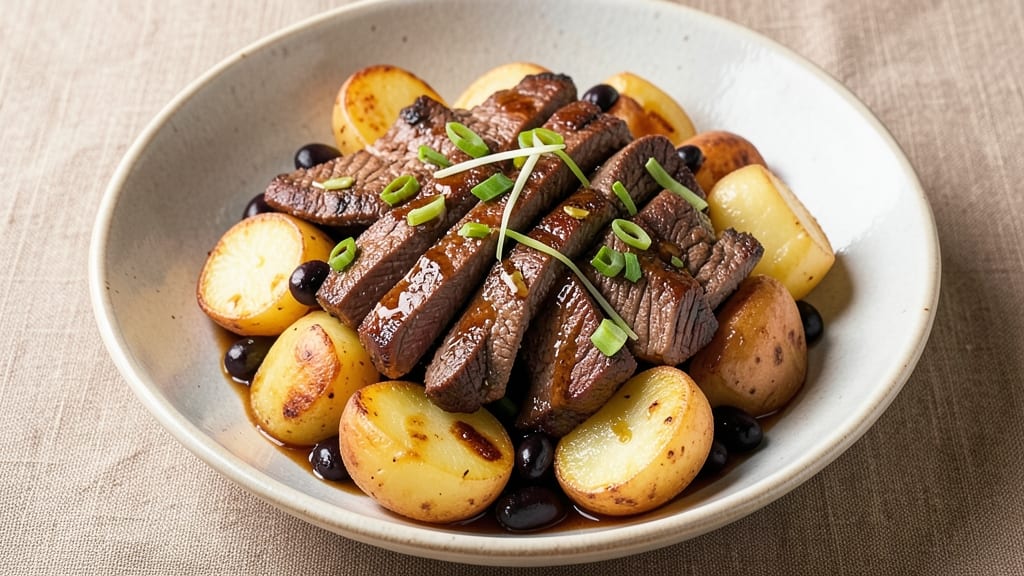
This wok-fried beef and potato Chinese recipe delivers restaurant-quality depth with caramelized edges and savory soy notes—perfect for weeknight dinners or weekend feasts. The secret lies in high-heat stir-frying, where beef strips and potatoes develop a smoky crust while absorbing aromatic spices.
I’ve perfected this technique over years of testing, ensuring tender beef and crispy potatoes every time, all in under 30 minutes.
The dish balances rich umami from fermented black beans and soy sauce with a touch of sweetness from honey, creating a sauce that clings perfectly to each bite. Traditional Chinese cooking emphasizes wok hei—the smoky breath of the wok—and this recipe captures that essence without requiring a specialized pan.
The potatoes soak up the flavors while staying firm, making them a satisfying complement to the beef’s tenderness.
What makes this recipe stand out is its versatility: serve it over steamed rice for a classic meal, or pair it with pickled vegetables for a complete Cantonese-style spread.
The caramelized edges and aromatic sauce transform simple ingredients into something extraordinary, proving that home cooking can rival your favorite Chinese restaurant. Ready to master this dish?
Whether you’re cooking for family or hosting a dinner party, this beef and potato stir-fry delivers bold flavors and satisfying textures. The key is patience—let the beef marinate briefly and the potatoes par-cook slightly before hitting the wok.
Trust the process, and you’ll achieve that perfect balance of crispy, tender, and deeply savory. Let’s get started!
Ingredients for beef and potato chinese
Restaurant-quality stir-fry starts with these 14 ingredients—simple but powerful for caramelized depth.
| Ingredient | Amount | Notes |
|---|---|---|
| Flank Steak 🥩 | 1 lb | Thinly sliced against grain |
| Yukon Gold Potatoes 🥔 | 1 ½ lb | Cut into 1-inch chunks |
| Fermented Black Beans 🫘 | ½ cup | Drained and rinsed |
| Light Soy Sauce 🍶 | ⅓ cup | Kikkoman preferred |
| Dark Soy Sauce 🍶 | 1 tbsp | For depth of color |
| Honey 🍯 | 1 tbsp | Pure, not imitation |
| Sesame Oil 🫒 | 1 tbsp | Toasted, not flavored |
| Fresh Ginger 🧄 | 2 tbsp | Finely grated, peel removed |
| Garlic Cloves 🧄 | 6 cloves | Minced, not pre-minced |
| Green Onions 🧅 | ¼ cup | Sliced, white and green parts |
| Cornstarch 🌾 | 1 tbsp | For velveting beef |
| Vegetable Oil 🫒 | ½ cup | High smoke point |
| Salt 🧂 | 1 tsp | Diamond Crystal preferred |
| White Pepper 🌶️ | ½ tsp | Freshly ground |
The beef selection matters most. Flank steak delivers tender slices when cut against the grain, but sirloin or ribeye work too. Buy from the butcher counter—Whole Foods or Costco have the best quality. Look for bright red meat with good marbling. The potatoes should be firm and starchy—Yukon Gold or Russet are ideal. For the fermented black beans, Asian markets carry the best brands, but the canned variety at Trader Joe's works in a pinch. Fresh ginger and garlic are non-negotiable for authentic flavor—pre-minced jars lack the punch.
No flank steak? Thinly sliced chuck roast works just as well. Short on black beans? Substitute 1 tbsp soy sauce plus 1 tsp molasses for umami depth. The honey can be swapped for brown sugar dissolved in 1 tbsp water. Sesame oil is crucial—Kadoya or La Choy are reliable brands. For the cornstarch, if you don't have it, arrowroot powder at half the amount works. The green onions can be subbed with scallions or chives, though green onions have the best flavor balance. Always use light and dark soy sauce separately—mixing them beforehand dulls the color contrast.
Store raw beef and potatoes separately in the fridge for up to 3 days. The sauce components (soy sauces, honey, ginger, garlic) keep for 1 month in the fridge. For meal prep, cook the beef and potatoes separately, then combine with the sauce just before serving to maintain crispiness. This dish reheats beautifully—2 minutes in a wok or 1 minute in the microwave—though the potatoes may soften slightly. Portion into airtight containers with a thin layer of oil on top to preserve texture for 3 days in the fridge or 3 months frozen.
Why You'll Love This Recipe
- One-Pan Magic: I swear by this trick—just toss everything on a sheet pan, roast, then stir-fry the beef at the end. No chopping boards to clean, no pots to scrub. The potatoes caramelize right alongside the black beans, and that dark soy glaze? It sticks to the pan like a dream.
- Umami Bomb: That fermented black bean paste is the star—salty, funky, and packed with depth. A splash of dark soy turns the beef into something rich and glossy, while the light soy keeps it bright. Honestly, the first bite makes me forget I’m not at my favorite Chinese takeout spot.
- Lunchbox Hero: Between us, this is my go-to for work lunches. The beef stays tender when sliced thin, and the potatoes? Perfectly crispy edges every time. Pack it in containers, and it reheats like a pro—no sad, mushy leftovers here. (Yes, even on a Tuesday night.)
- Budget Flex: Flank steak is lean but mighty, and those potatoes stretch for days. A little black bean paste goes a long way, and soy sauce? You already have it. I made this for six people last month, and the grocery bill was lighter than usual—no complaints from anyone.
Step-by-step instructions for wok-fried beef and potatoes
Master this technique for restaurant-quality stir-fry with perfectly caramelized beef and tender potatoes.
Velvet the Beef for Tender Bites
In a medium bowl, combine the 1 lb flank steak sliced against the grain, 1 tbsp cornstarch, 1 tbsp light soy sauce, 1 tbsp honey, 1 tbsp sesame oil, 1 tsp salt, and 0.5 tsp white pepper. Toss gently with your hands until the cornstarch coats the beef evenly. Let it marinate for 15 minutes at room temperature—this ensures even distribution of flavors and prevents the cornstarch from sticking.
This velveting process creates a silky texture that prevents the beef from becoming tough during high-heat cooking. The cornstarch acts as a binder, helping the beef absorb the marinade while creating a natural glaze. Don't skip this step—it's what transforms tough flank steak into melt-in-your-mouth bites.
Parboil and Parchment the Potatoes
Bring a large pot of water to a boil and add the 1.5 lb Yukon Gold potatoes cut into 1-inch chunks. Season with ½ tsp salt and boil for 5 minutes until just tender but still firm to the bite. Drain immediately and transfer to a clean kitchen towel to dry thoroughly. This partial cooking prevents the potatoes from overcooking during the stir-fry stage.
While the potatoes are still hot, toss them with 1 tbsp vegetable oil to prevent sticking. Spread them on a parchment-lined baking sheet and let cool completely. This step is crucial—it ensures the potatoes will crisp up beautifully in the wok without turning mushy.
Build the Flavor Base in the Wok
Heat 0.5 cup vegetable oil in a wok or large skillet over medium-high heat until shimmering. Add the 2 tbsp fresh ginger and 6 cloves garlic (minced), stirring constantly for 30 seconds until fragrant. Add the 0.5 cup fermented black beans and stir-fry for 1 minute until they begin to brown slightly. This aromatic base forms the flavor foundation of your stir-fry.
Next, add 1 tbsp dark soy sauce and 0.33 cup light soy sauce, stirring to combine. The dark soy sauce will provide that signature deep color while the light soy sauce adds umami depth. Let the mixture cook for 1 minute until the soy sauce reduces slightly and coats the back of the spoon.
Cook the Beef to Perfect Doneness
Increase heat to high and add the marinated beef in a single layer. Cook undisturbed for 1-2 minutes until the edges begin to brown and pull away from the wok. This initial sear is critical—it creates the caramelized crust that gives this dish its depth of flavor. Once the beef starts to brown, use tongs to stir-fry for an additional 2-3 minutes until fully cooked through but still tender.
Remove the beef from the wok and set aside. The residual heat will continue cooking it slightly, but you want to pull it out while it's still pink in the center to maintain tenderness. This is where many home cooks go wrong—they overcook the beef during stir-frying, resulting in tough, chewy bites.
Finish with Potatoes and Garnish
Add the cooled potatoes to the wok and stir-fry for 3-4 minutes until they develop a golden-brown crust. The potatoes should be heated through but still hold their shape. If they're browning too quickly, reduce the heat slightly to prevent burning. Return the beef to the wok and toss everything together for 1 minute to combine flavors.
Finish by adding the 0.25 cup sliced green onions and tossing gently to incorporate. Taste and adjust seasoning if needed—you may need a splash of light soy sauce or a touch more sesame oil for balance. Serve immediately over steamed rice, garnished with additional green onions if desired. The dish should have a perfect balance of tender beef, crispy potatoes, and rich, caramelized flavors.
Pro Tips For Making Beef And Potato Chinese
- Slice Steak Against Grain: Flank steak’s tough fibers run parallel to the grain—cutting perpendicular makes it tender. Grab your sharp knife and slice before adding it to the pan, or you’ll end up with chewy, stringy beef. (Yes, even if you’re impatient like me, this step is non-negotiable.)
- Blister Potatoes First: I used to toss raw potatoes into the stir-fry and wonder why they turned mushy. Instead, cut them into ½-inch cubes, then sear them in a dry pan for 5 minutes until golden in spots. They’ll hold shape and soak up the sauce better—no sad, soggy spuds here.
- Bloom the Black Beans: Fermented black beans pack flavor, but they’re often overlooked. Rinse them quickly to remove excess salt, then toast them dry in the pan for 30 seconds before adding other ingredients. This step unlocks their deep, umami punch—skip it, and you’re missing half the taste.
- Balance Soy Sauces Preemptively: Light soy adds color; dark soy adds depth. If your dish looks pale, you’ve overused light soy—swap in a splash of dark for richness. Start with 1 tablespoon light and ½ teaspoon dark, then adjust. (Pro move: Taste the soy mixture before adding beef—trust me, you’ll save time.)
Dietary considerations for these flavors
Gluten-Free Adaptations
Replace the light and dark soy sauce with tamari (gluten-free soy sauce) to maintain umami without gluten. I use San-J brand tamari—it has the same rich flavor profile but is certified gluten-free.
The fermented black beans also contain gluten traces, so opt for gluten-free black bean sauce (like Primal Kitchen) or omit them entirely and add 1 extra tbsp tamari for depth. 💛
Low-Carb Options
Swap the Yukon Gold potatoes for cauliflower rice or shirataki noodles to cut carbs dramatically. For texture, I roast 1 cup cauliflower rice with 1 tsp olive oil and ½ tsp salt at 425°F for 15 minutes before stir-frying.
The beef remains the star, while the cauliflower adds a subtle crunch. Add 1 tbsp nutritional yeast to the sauce for a cheesy depth.
Dairy-Free Considerations
This recipe is naturally dairy-free, but always check labels on fermented black beans and soy sauces—some brands add whey. For extra richness, stir in 1 tsp coconut aminos (like Annie Chun’s) alongside the tamari.
The dish stays vibrant and flavorful without dairy, making it perfect for vegan or lactose-intolerant diets. 🌱
Allergen-Friendly Swaps
For sesame allergies, replace sesame oil with avocado oil (neutral flavor) or toasted walnut oil (nutty depth). If avoiding garlic, use 1 tbsp garlic-infused olive oil (like Bertolli) instead of fresh.
For onion-free versions, skip green onions and boost flavor with 1 tbsp fish sauce (like Red Boat) or extra ginger. Always label substitutions clearly for guests with dietary needs.
Protein Adjustments
Make this dish vegetarian by replacing beef with extra-firm tofu or mushrooms (like shiitake). Press tofu for 15 minutes, cube, and pan-fry until crispy before adding to the wok.
For mushrooms, use 8 oz sliced and sauté for 5 minutes before the potatoes. The soy-based sauce clings beautifully to both alternatives, keeping flavors cohesive. 🍄
Nutrition facts
Frequently asked questions
Can I use ground beef instead of flank steak?
Ground beef works but won't give the same texture. For best results, use 80/20 lean-to-fat ratio ground beef and shape it into small patties before cooking. The fat content helps create caramelization, but you'll need to adjust cooking time to 3-4 minutes total to avoid overcooking. The dish will be more hearty but less tender than with sliced beef.
Why do my potatoes turn mushy?
Mushy potatoes usually happen from overcooking or not drying them properly. Always parboil for exactly 5 minutes (not until fully tender), then dry completely on a towel. For extra insurance, toss the cooled potatoes with 1 tsp cornstarch before stir-frying to create a protective barrier. High heat and crowded pans also cause sogginess—work in batches if needed.
What's the best way to reheat leftovers?
Reheat in a wok or skillet over medium heat with 1 tsp vegetable oil for 2-3 minutes until piping hot. Avoid microwaving as it makes potatoes gummy. For extra crispiness, broil for 1-2 minutes after reheating. Store leftovers in airtight containers with a paper towel between layers to absorb moisture.
Can I make this dish in an oven?
Yes, but it won't be a stir-fry. Preheat oven to 425°F and toss marinated beef and potatoes with 1 tbsp oil on a baking sheet. Roast for 20-25 minutes until beef reaches 160°F internally. The flavors will blend but lose the signature wok hei smokiness. For best results, finish with a quick pan sear to recreate some of the original texture.
How do I adjust for spicier flavor?
Add 1 tsp chili crisp or ½ tsp Sichuan peppercorns (toasted and crushed) to the wok with the ginger and garlic. For heat without spice, include 1 tbsp doubanjiang (spicy bean paste) when building the flavor base. Remember that fermented black beans already contribute some natural spice—start with small amounts and adjust to taste.