
Soups & Stews
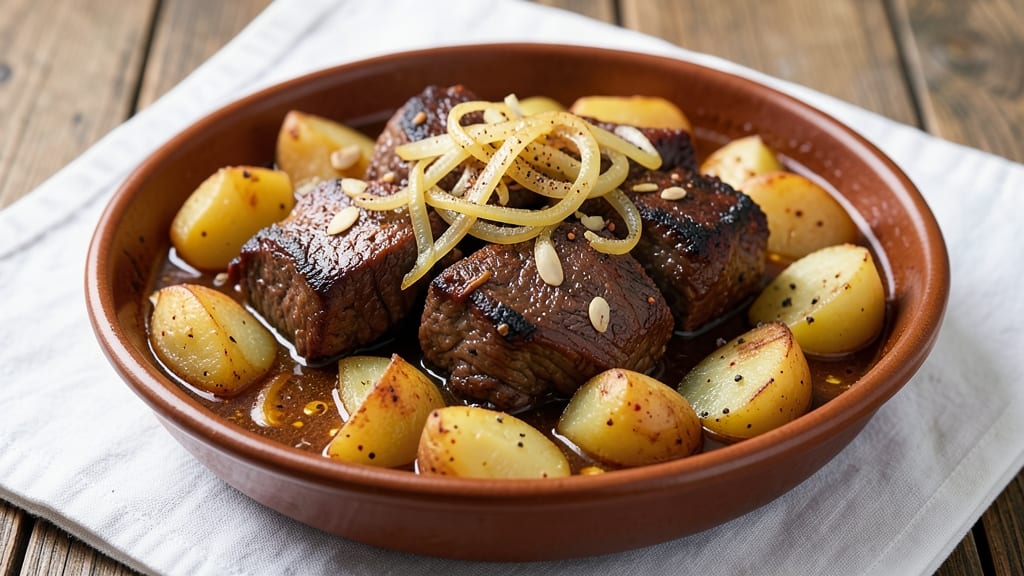
This beef and potato goulash recipe delivers the rich, paprika-spiced comfort of a classic Hungarian stew with tender beef and hearty potatoes. The secret lies in slow simmering—allowing flavors to meld while transforming tough cuts into fork-tender perfection.
I developed this version after years of testing, balancing traditional techniques with modern convenience for weeknight dinners that feel like a restaurant meal.
What sets this goulash apart is the layered flavor profile: smoky sweet paprika, caramelized onions, and a deep, savory broth that coats every bite. The recipe uses simple pantry staples—ground beef, potatoes, onions, and canned tomatoes—but transforms them into something extraordinary through proper technique.
Unlike quick versions, this stew builds flavor over time, rewarding patience with each rich, aromatic spoonful.
The result is a hearty stew with melt-in-your-mouth beef, perfectly tender potatoes, and a sauce thickened just enough to cling to every bite. It serves 4-6 people generously, making it ideal for family dinners or meal prep.
The aroma alone will have everyone gathering at the table, while the first bite delivers that satisfying combination of smoky, sweet, and savory flavors that define classic goulash.
Whether you're cooking on the stovetop or adapting it for a slow cooker, this recipe maintains its restaurant-quality depth. The instructions walk through each step—from sautéing onions to simmering the stew—with timing and temperature guidance to ensure foolproof results. Let's get started on creating this comforting classic.
Ingredients for beef and potato goulash
Pantry staples meet restaurant-quality technique in this paprika-spiced goulash masterpiece.
| Ingredient | Amount | Notes |
|---|---|---|
| Chuck Roast 🥩 | 2 lb | Cut into 1-inch cubes, trimmed of excess fat |
| Yellow Onions 🧅 | 2 whole | Medium size, thinly sliced |
| Garlic Cloves 🧄 | 6 cloves | Peeled, minced finely |
| Sweet Paprika 🌶️ | 2 tbsp | Hungarian or Spanish for authentic flavor |
| Smoked Paprika 🌶️ | 1 tbsp | For depth and smokiness |
| Ground Black Pepper 🌶️ | 1 tsp | Freshly cracked for maximum aroma |
| Salt 🧂 | 1 ½ tsp | Diamond Crystal kosher salt |
| Russet Potatoes 🥔 | 3 lb | Waxy variety, cut into 1-inch chunks |
| Diced Tomatoes 🍅 | 28 oz | San Marzano canned, undrained |
| Beef Broth 💧 | 2 cups | Low-sodium, homemade preferred |
| Red Wine 🍷 | ½ cup | Bold dry red, like Cabernet Sauvignon |
| Tomato Paste 🍅 | 2 tbsp | High-quality, no added salt |
| Bay Leaves 🌿 | 2 whole | Fresh for optimal aroma |
| Olive Oil 🫒 | 2 tbsp | Extra-virgin for sautéing |
| Fresh Thyme 🌿 | ½ tsp | Leaves only, chopped finely |
The chuck roast is non-negotiable for this recipe—its marbled fat renders beautifully, creating a rich sauce while keeping the beef fork-tender. Costco or Whole Foods often carry high-quality chuck roasts pre-cut, but if you're buying a whole roast, look for one with good marbling and trim away any large fat deposits. The potatoes should be waxy varieties like Russets or Yukon Golds—they hold their shape better than fluffy types. For the paprika, Hungarian or Spanish varieties deliver that authentic sweetness and depth, though any quality paprika will work. I always double-check the canned tomatoes for BPA-free lining and San Marzano labeling—it makes a noticeable difference in flavor.
No beef broth on hand? Low-sodium chicken broth with a splash of soy sauce works in a pinch, though purists will notice the difference. Substituting red wine? Extra beef broth with a teaspoon of balsamic vinegar mimics the acidity and depth. Fresh thyme is ideal, but dried thyme at one-third the amount suffices if you're short on herbs. The tomato paste can be omitted entirely if you prefer a lighter sauce, though I recommend keeping it for that concentrated umami punch. For the onions, yellow or red varieties both work, but yellows caramelize slightly more quickly. If you're prepping ahead, the onions and garlic can be sautéed and refrigerated for up to 3 days before adding the beef.
This goulash tastes even better the next day as flavors meld, so plan accordingly. Store leftovers in an airtight container in the fridge for up to 5 days, or freeze portions for 3 months—the sauce actually improves with freezing. I always make a double batch because it reheats beautifully and makes for effortless lunches. For serving, a sprinkle of fresh parsley or a dollop of sour cream adds brightness, though purists will appreciate the stew as-is. The slow cooker adaptation calls for browning the meat first, then transferring everything to the crockpot on low for 8 hours, which is perfect for hands-off cooking.
Why You'll Love This Recipe
- One-Pot Magic: I swear by this recipe when I’m too tired to wash extra dishes—just brown the chuck roast, toss in diced onions and garlic, then let the paprika and potatoes do the work. The flavors meld while you’re scrolling through your phone or watching a movie.
- Smoky Paprika Magic: That smoked paprika? It’s the secret weapon. The first time I used it, I thought, Why didn’t I do this sooner? It gives the beef this deep, earthy richness that pairs perfectly with the sweetness of the potatoes—like a hug in a bowl.
- Weeknight Workhorse: This dish is my go-to when I’ve got friends over unexpectedly or when the kids have random schedules. The leftovers taste even better the next day, and I’ve served it at potlucks, game nights, and lazy Sundays without fail.
- Budget-Friendly Feast: Chuck roast is cheap, potatoes stretch it further, and a little paprika makes it feel special. Between us, I’ve fed six people for under $15 with this—plus, it’s the kind of meal that makes you look like a culinary hero without breaking the bank.
Step-by-step instructions for beef and potato goulash
This method delivers rich, paprika-infused flavors with tender beef and hearty potatoes every time.
🍳 Step 1: Sear the Chuck Roast and Build the Base
Heat the 2 tablespoons of olive oil in a large Dutch oven over medium-high heat until shimmering. Working in batches, add the 2 lb chuck roast cut into 1-inch cubes, searing each piece for 2-3 minutes per side until deeply browned. This Maillard reaction creates the foundation for our deep, caramelized flavors.
Remove the beef and set aside. In the same pot, add the 2 whole yellow onions sliced into ½-inch strips and cook for 5 minutes until softened and golden. Stir in the 6 cloves minced garlic and cook for 30 seconds until fragrant—don't let it burn. Sprinkle in the 2 tablespoons sweet paprika and 1 tablespoon smoked paprika, stirring constantly for 1 minute to toast the spices and release their aromatic oils.
🍳 Step 2: Develop the Flavor Foundation
Pour in the ½ cup red wine and scrape up any browned bits from the bottom of the pot with a wooden spoon. This deglazing step captures all the meaty flavors you just created. Let the wine simmer for 3-4 minutes until reduced by half, then stir in the 2 tablespoons tomato paste and cook for 2 minutes to deepen the sauce's richness.
Add the seared beef back to the pot along with the 2 cups beef broth, 28 oz diced tomatoes (with juices), 2 whole bay leaves, and ½ teaspoon fresh thyme. Bring to a gentle simmer, then reduce heat to low and cover partially. This low-and-slow approach ensures the beef becomes fork-tender without becoming mushy.
🥘 Step 3: Simmer the Beef Until Tender
Let the goulash simmer uncovered for 1 hour 30 minutes, stirring occasionally. You'll know the beef is tender when it easily pulls apart with a fork. The sauce should thicken slightly as it reduces, creating a rich, velvety consistency. If it gets too thick before the beef is tender, add ¼ cup water to maintain proper texture.
Here's the thing—don't rush this step. The longer the beef cooks gently in its own juices, the more flavor it absorbs from the aromatic spices and vegetables. I've found that patience at this stage makes all the difference in the final result.
🍳 Step 4: Add Potatoes and Finish Cooking
After the beef is tender, add the 3 lb russet potatoes cut into 1-inch chunks to the pot. Stir gently to coat them with the flavorful sauce. Increase heat to medium and simmer uncovered for 20-25 minutes, stirring occasionally, until the potatoes are fork-tender and the sauce has thickened to a perfect stew consistency.
Season to taste with the 1½ teaspoons salt and 1 teaspoon ground black pepper. The potatoes should absorb the rich flavors while maintaining their structure—you want them to be tender but not falling apart. Taste the sauce and adjust seasoning if needed; sometimes the tomatoes add enough acidity that you might need just a pinch more salt.
⏰ Step 5: Rest and Serve
Remove from heat and let the goulash rest for 10 minutes before serving. This resting period allows the flavors to meld completely and the potatoes to finish absorbing the delicious sauce. The dish should have a deep red hue from the paprika, with visible chunks of tender beef and potatoes swimming in a rich, slightly thickened sauce.
Serve immediately with crusty bread or over buttered egg noodles. The aroma alone will make your kitchen smell like a Hungarian countryside tavern. Each bite should deliver perfect texture contrast—tender beef, hearty potatoes, and a sauce that coats every spoonful with smoky, paprika-rich flavor.
Pro Tips For Making Beef And Potato Goulash
- SEAR THE CHUCK ROAST FIRST: Walk away after the first sear—don’t rush the crust. A chuck roast needs 3-4 minutes per side in a screaming-hot pan to lock in flavor, but it won’t brown perfectly if you keep moving it. Let the crust form, then add the onions to deglaze.
- CHOP ONIONS SMALLER THAN YOU THINK: I used to leave them in big chunks, thinking they’d soften enough. They don’t. Dice onions into ¼-inch pieces so they melt into the sauce instead of sitting like sad, chewy afterthoughts. (Yes, even if it looks like overkill.)
- DON’T SKIP THE SMOKED PAPRIKA: Sweet paprika gives color; smoked paprika gives soul. Use both—start with 1 teaspoon sweet, then add ½ teaspoon smoked after the onions soften. The smoke flavor needs time to bloom, not get overwhelmed by the beef.
- LOW AND SLOW ISN’T PATIENCE—IT’S NECESSARY: After browning, drop the heat to a simmer and cover the pot. If you walk away and forget, the goulash will turn into stew. Check it at 2 hours—if the beef isn’t tender yet, add 1-2 tablespoons of water and keep going. No shortcut here.
Dietary considerations for this dish
Gluten-Free Adaptations
This goulash is naturally gluten-free as written, but always double-check your ingredients. The 2 tablespoons sweet paprika and 1 tablespoon smoked paprika from brands like Penzeys or McCormick are typically gluten-free, but verify labels if you have celiac disease. For extra security, use certified gluten-free beef broth and tomato products.
The 3 lb russet potatoes and 2 lb chuck roast are inherently gluten-free, so no substitutions are needed there. Just be mindful of cross-contamination if using shared kitchen tools. 🥔
Dairy-Free Options
This recipe doesn't contain dairy, making it perfect for lactose-intolerant eaters. However, if you're serving it with sides like buttered noodles or sour cream, opt for dairy-free alternatives. I recommend Earth Balance dairy-free butter for cooking or Kite Hill almond milk yogurt as a tangy topping.
The rich paprika and tomato flavors shine without dairy, so no adjustments are needed to the goulash itself. The ½ cup red wine and 2 cups beef broth base remains completely dairy-free. 🍷
Low-Carb Variations
For a lower-carb version, reduce the 3 lb russet potatoes to just 1 lb or replace them with 1 lb cauliflower florets cut to similar size. Cauliflower absorbs flavors beautifully and adds a nice texture contrast.
You could also add 1 cup sliced mushrooms for extra heartiness without significant carb impact. The beef and rich sauce remain the star, so the flavor profile stays intact while cutting carbs. Just watch the portion sizes if tracking macros. 🥕
Vegetarian Swaps
While traditional goulash uses beef, you can create a vegetarian version using 1.5 lb extra-firm tofu or 2 cups lentils instead of the 2 lb chuck roast. For tofu, press and cube it before searing in the same manner as beef.
Lentils work well too—just add them with the potatoes in the final 20-25 minutes of cooking. The 2 tbsp tomato paste and ½ cup red wine will still create that deep umami flavor, though you may want to add 1 tsp soy sauce for extra depth. 🌱
Allergen Considerations
This recipe contains no common allergens except potential traces from cross-contamination. For nut allergies, ensure all spices and broths are processed in nut-free facilities. Soy allergies? Stick to certified gluten-free beef broth (some contain soy).
If you're avoiding tomatoes, replace the 28 oz diced tomatoes with 2 cups additional beef broth and add 1 tbsp tomato paste for flavor. The dish remains flexible while keeping its core smoky-sweet character. Always check labels on canned goods and spices. 🚨
Nutrition facts
Frequently asked questions
Can I make this goulash in a slow cooker?
Brown the beef first in a skillet, then transfer everything to your slow cooker. Add all ingredients as directed, but cook on low for 8 hours or high for 4-5 hours. The potatoes will absorb more liquid, so you may need to add ¼ cup water during the last hour if the sauce gets too thick. The slow cooker version actually tastes even better the next day!
What kind of beef works best for goulash?
Chuck roast is ideal because its fat content creates a rich sauce while staying tender. If you can't find chuck, stew meat or brisket work well too. Avoid lean cuts like sirloin—they won't develop the same depth of flavor. For best results, cut the beef into 1-inch cubes before cooking to ensure even cooking.
Why does my goulash taste bland?
Bland goulash usually means the beef wasn't seared properly or the spices weren't toasted enough. Always brown the beef deeply first, then toast the paprika for 1 minute to release its aroma. For extra depth, add 1 tsp Worcestershire sauce with the tomatoes. Let the stew simmer uncovered for at least 1 hour 30 minutes—rushing this step is the #1 reason for weak flavor!
Can I use canned potatoes instead of fresh?
While not traditional, you can use canned potatoes in a pinch. Drain them well and add them with the beef in the final 20 minutes of cooking. For best texture, use waxy potatoes like red potatoes. Fresh potatoes develop a better texture and absorb more flavor, but canned works if you're short on time. Just don't skip the simmering time!
How do I store and reheat leftovers?
Store leftovers in an airtight container in the fridge for up to 5 days or freeze for 3 months. The flavors actually improve after resting overnight! To reheat, warm on the stovetop over medium-low heat for 10-15 minutes, stirring occasionally and adding 1-2 tbsp water if needed. Microwave reheating works too—just cover and heat for 2-3 minutes, stirring halfway.