
Desserts
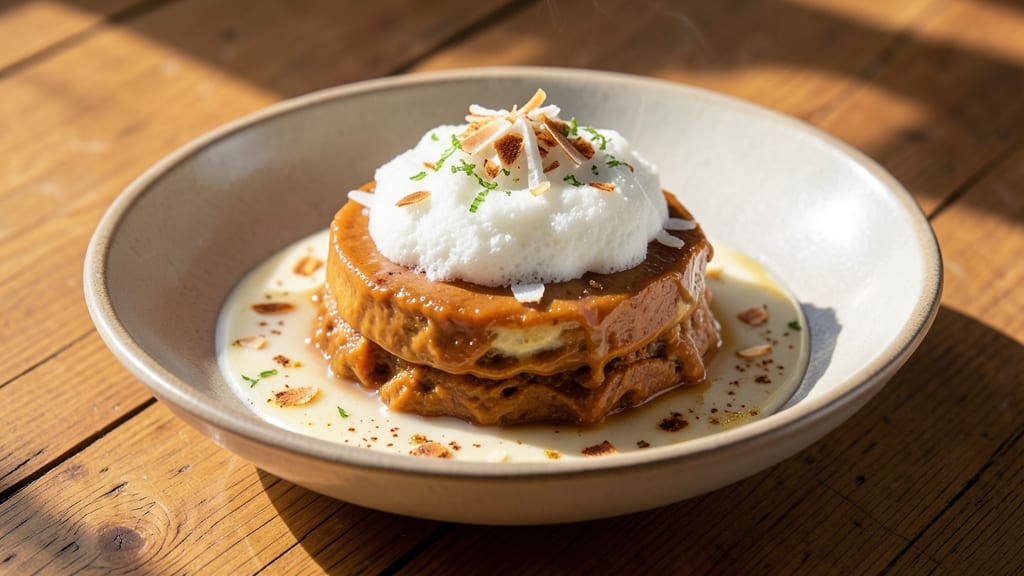
Sweet potato glutinous rice flour transforms into a luscious, spiced custard that blends Southeast Asian tradition with modern simplicity. The secret lies in balancing sweet potato’s natural sweetness with the chewy texture of glutinous rice flour, creating a dessert that’s both comforting and sophisticated. This recipe delivers a velvety, aromatic pudding with warm cinnamon and cardamom notes—perfect for special occasions or a cozy treat.
The process is straightforward yet precise: steaming the batter ensures a tender, custard-like texture without graininess, while a touch of coconut milk adds richness. No special equipment is needed—just a steamer and patience for the flavors to meld.
The result is a dessert that’s elegant enough for gatherings but simple enough for weeknight indulgence.
What sets this apart is the harmony of flavors: sweet potatoes contribute earthy depth, while the rice flour creates that signature chewy bite. A sprinkle of toasted sesame seeds or crushed peanuts adds crunch, balancing the soft interior. The aroma alone—warm spices and caramelized sweetness—makes it irresistible.
Serve chilled or at room temperature, paired with a drizzle of honey or a scoop of coconut ice cream. This recipe adapts easily: swap in matcha powder for a vibrant twist or add pandan extract for a fragrant Southeast Asian touch. Let’s create something truly special.
Ingredients for sweet potato glutinous rice flour
Sweet potato's earthy depth meets glutinous rice flour's chewy elegance in this aromatic custard recipe.
| Ingredient | Amount | Notes |
|---|---|---|
| Sweet Potatoes 🍠 | 2 cups | Peeled, finely grated (about 1 lb) |
| Glutinous Rice Flour 🌾 | 1 ½ cups | Mochiko flour, sifted |
| Full-Fat Coconut Milk 🥥 | 1 can | 13.5 oz can, well-shaken |
| Coconut Sugar 🍯 | ½ cup | Or organic cane sugar |
| Ground Cinnamon 🌿 | 1 ½ tsp | Ceylon cinnamon preferred |
| Ground Cardamom 🌿 | ½ tsp | Freshly ground for intensity |
| Vanilla Extract 🌸 | 1 tsp | Pure Madagascar vanilla |
| Sesame Seeds 🥜 | 2 tbsp | Toasted for garnish |
| Crushed Peanuts 🥜 | ¼ cup | Lightly toasted |
| Vegetable Oil 🫒 | 1 tbsp | For greasing steamer |
| Water 💧 | 1 ½ cups | Filtered preferred |
| Salt 🧂 | ¼ tsp | Fine sea salt |
The sweet potatoes are the foundation—choose vibrant orange varieties like Jewel or Beauregard for optimal sweetness. Asian grocery stores often carry pre-peeled varieties, but peeling and grating yourself ensures finer texture. Glutinous rice flour (mochiko) is non-negotiable—regular rice flour won't yield the same tender yet chewy result. Bob's Red Mill sells it online if local stores don't stock it. For the coconut milk, full-fat canned versions provide the necessary richness; avoid cartons as they separate. Toast your sesame seeds in a dry pan over medium heat for 2-3 minutes until golden—this enhances their nutty aroma significantly.
No glutinous rice flour? Tapioca starch at double the amount creates a similar texture, though slightly less chewy. Substitute coconut sugar with maple syrup or agave at a 1:1 ratio, though the caramelization will differ slightly. Cardamom's earthy notes can be replaced with 1 tsp ground ginger for a different but complementary warmth. The vanilla extract should be pure—imitation extracts contain artificial flavors that disrupt the delicate balance. For the peanuts, raw or dry-roasted work best; avoid heavily salted varieties. If you're making this ahead, prepare the batter up to 24 hours in advance and refrigerate—it actually improves in flavor as the spices meld.
This custard requires precise steaming—use a bamboo steamer lined with parchment paper for even cooking. The texture is delicate post-steaming, so handle it gently when unmolding. Store in an airtight container in the refrigerator for up to 5 days, though the texture becomes slightly firmer after 24 hours. For longer storage, freeze individual portions in parchment-lined containers for up to 3 months. Reheat gently in the microwave with a damp paper towel covering to restore creaminess. The garnishes (sesame seeds and peanuts) should be added fresh before serving to maintain their crunch—never store them with the custard.
Why You'll Love This Recipe
- I’ll be real: this recipe uses things I already have. No specialty ingredients, no last-minute grocery runs. Sweet potatoes stay fresh forever, rice flour is cheap, and coconut milk? You can use the canned kind or even a carton if you’re in a pinch. Plus, the leftovers? They’re even better the next day—like, “I didn’t make dessert, but here’s dessert” levels of good. Budget-friendly and delicious? Yes, please.
- One-Bowl Magic: I swear by this recipe because it’s literally one bowl—no measuring cups flying everywhere, no extra pans to wash. Just toss the roasted sweet potatoes, coconut milk, and that sticky rice flour together, let it simmer, and boom. Done. The cinnamon and coconut sugar caramelize right into the mix, so you’re not stuck scraping burnt bits off the bottom of a pan.
- Warm Spice Hug: Between us, this is the kind of dessert that feels like a hug. The sweet potatoes add natural depth, the glutinous rice flour gives it that perfect chewy texture, and the cinnamon? Oh, it’s not just dusted on top—it’s folded in so every bite tastes like a slow simmer in a spice market. Honestly, I’ve made this for people who “don’t like sweet potatoes,” and they’ve come back for seconds.
- Lunchbox Hero: Here’s what sold me—this stuff holds up amazingly when packed for work or school. The coconut milk keeps it creamy (not soggy), and the rice flour binds it just enough to stay together in a container. My kid’s been taking these to soccer practice for weeks, and I’ve even frozen portions for lazy mornings. Pro tip: Reheat with a splash of coconut milk, and it’s like it was just made.
Step-by-step instructions for sweet potato glutinous rice custard
Master this delicate balance of textures—creamy custard with a subtle crunch—using precise techniques.
Prepare the Sweet Potato Base
Peel and finely grate the 2 cups sweet potatoes using a box grater or food processor. I like to squeeze out excess moisture through a clean kitchen towel—this prevents a watery custard later. The grated sweet potatoes should yield about 1 pound total, with a vibrant orange color indicating proper preparation.
In a medium saucepan, combine the grated sweet potatoes with 1.5 cups water and 0.25 tsp salt. Bring to a gentle simmer over medium heat for 8-10 minutes until the sweet potatoes soften completely. Mash the mixture until smooth using a potato masher or wooden spoon—this ensures an even texture in your final custard.
Build the Glutinous Rice Flour Mixture
In a separate bowl, whisk together the 1.5 cups glutinous rice flour with 0.5 cup coconut sugar, 1.5 tsp ground cinnamon, and 0.5 tsp ground cardamom. I sift the flour first to eliminate any lumps—this prevents graininess in the finished custard. Add the 1 tsp vanilla extract and mix thoroughly until the dry ingredients are fully incorporated.
Gradually pour the warm sweet potato mixture into the flour mixture while whisking continuously. The batter should thicken noticeably as you combine them. Here's the thing—this is where texture matters most. The batter should be thick but still pourable, like heavy pancake batter. If it's too stiff, add 1 tablespoon water at a time until smooth.
Incorporate Coconut Milk and Steam
Open the 1 can full-fat coconut milk and shake vigorously to redistribute the cream. Pour half of the coconut milk into the batter and whisk until fully combined. The mixture will lighten in color and become slightly more fluid. Add the remaining coconut milk and whisk again until no streaks remain.
Lightly grease your steamer basket with 1 tbsp vegetable oil—this prevents sticking. Pour the batter into a heatproof ramekin or small bowl (about ½ cup per serving) and place it in the steamer. Steam over medium-high heat for 25-30 minutes until the custard is set but still slightly jiggly in the center. A toothpick inserted should come out clean with no wet batter clinging.
Garnish and Serve Warm
Remove the custard from the steamer and let it rest for 5 minutes—this allows it to firm up slightly while remaining creamy. Toast the 2 tbsp sesame seeds in a dry skillet over medium heat for 2-3 minutes until golden brown and fragrant. Similarly, lightly toast the 0.25 cup crushed peanuts in the same skillet until they release their nutty aroma.
Serve the custard warm, topped with the toasted sesame seeds and crushed peanuts. The contrast of warm spices, nutty crunch, and silky sweet potato custard creates a harmonious balance. Each bite should deliver a smooth, velvety texture with subtle sweetness and aromatic warmth from the cinnamon and cardamom.
Pro Tips For Making Sweet Potato Glutinous Rice Flour
- Parboil Sweet Potatoes First: Cut the sweet potatoes into even chunks, then boil them for 5 minutes before steaming with the rice flour mix. This softens them just enough to prevent gummy texture later—trust me, skipping this step means fighting a mushy battle the whole time.
- Use Cold Coconut Milk: Chill the full-fat coconut milk overnight (or at least 1 hour) before mixing it into the batter. Warm milk blends smoother, but cold milk keeps the glutinous rice flour from over-thickening too fast—your future self will thank you when the texture stays silky instead of gluey.
- Toast Cinnamon Lightly: Warm the ground cinnamon in a dry pan for 30 seconds until fragrant before adding it to the coconut milk. This deepens its flavor without bitterness, and it blends into the sweet potato mixture more evenly—no more clumpy spots ruining the smoothness.
- Steam in Two Batches: If your steamer basket is crowded, split the mixture into two rounds. Overpacking means uneven cooking—some parts stay doughy while others dry out. A little patience here guarantees every bite is perfectly tender, not a gamble.
Troubleshooting this dish
Batter Too Thick?
If your batter feels stiff after mixing, don’t panic—this happens when sweet potatoes release less moisture than expected. Gradually add 1 tablespoon water at a time while whisking until the batter reaches a pourable consistency (like heavy pancake batter).
Overmixing can introduce air bubbles, so stop as soon as it smooths out. For extra insurance, strain the batter through a fine-mesh sieve to eliminate any stubborn lumps before steaming. 💫
Custard Not Setting?
Understeamed custard often results from insufficient heat or a drafty steaming environment. Ensure your steamer has at least 1 inch of water in the base and place a towel-lined lid on top to trap steam.
If your custard still feels too soft after 30 minutes, cover it with foil and steam for another 5-10 minutes. Pro tip: Test doneness with a toothpick—it should come out clean but slightly damp, not wet.
Grainy Texture?
Graininess usually means the glutinous rice flour wasn’t fully incorporated or the batter was overworked. Sift the flour before mixing and whisk gently to avoid activating the gluten. If you notice grit after steaming, blend the custard briefly with an immersion blender (pulse only 2-3 times) to smooth it out.
For prevention, use cold water when adjusting batter thickness—hot water can cook the flour prematurely.
Burnt or Dry Top?
A dry or burnt top layer happens when the custard dries out during steaming. Cover the ramekins with parchment paper before steaming to create a barrier, or place a shallow tray of water in the steamer to boost humidity.
If the top browns too quickly, reduce heat to medium-low and steam for shorter intervals (check every 10 minutes). For a finished touch, brush the top with a little coconut milk before serving.
Sticky After Steaming?
Sticky custard often means the ramekins weren’t greased properly or the batter was too wet. Lightly coat ramekins with vegetable oil and dust with a pinch of glutinous rice flour before pouring batter.
For stubborn stickiness, run a hot knife around the edges before unmolding—this helps release cleanly. Chill the custard for 10 minutes in the fridge before serving to firm it up slightly.
Spices Too Overpowering?
If cinnamon or cardamom dominate the flavor, reduce the amounts to 1 tsp each (or even ½ tsp) and boost sweetness with an extra 1 tbsp coconut sugar. For a more balanced profile, add ½ tsp ground nutmeg—its warm, earthy notes complement sweet potatoes beautifully.
Taste the batter before steaming to adjust seasoning; flavors intensify during cooking, so err on the lighter side. 🌿
Nutrition facts
Frequently asked questions
Can I substitute regular rice flour for glutinous rice flour?
No—glutinous rice flour is essential for that signature chewy texture. Regular rice flour will create a dry, crumbly result. As a last resort, use tapioca starch at double the amount (3 cups) for a similar but slightly less chewy texture. The custard will still be delicious but won't have the same mouthfeel.
How do I make this recipe vegan-friendly?
This recipe is already vegan! Just ensure your coconut milk is labeled "vegan" (most are), and use plant-based vanilla extract. The coconut sugar is naturally vegan, and all other ingredients are plant-derived. For extra richness, stir in 1 tbsp coconut oil with the coconut milk before mixing.
Can I bake this instead of steaming?
Yes, but the texture will differ slightly. Preheat oven to 350°F and bake in greased ramekins for 30-35 minutes until set. The custard will be denser and less jiggly. For best results, bake at 325°F for 40 minutes—this mimics steaming's gentle heat. Cover with foil if browning too quickly.
What's the best way to store leftovers?
Store in an airtight container in the fridge for up to 5 days. The texture becomes slightly firmer but reheats beautifully. For longer storage, freeze individual portions in parchment-lined containers for 3 months. Thaw overnight in the fridge—never microwave directly from frozen to preserve creaminess.
Why does my custard taste bland?
Freshly toasted spices make all the difference! Toast the sesame seeds and peanuts fresh before serving—their nutty aroma enhances flavor. For extra depth, add ½ tsp pandan extract or 1 tsp matcha powder to the batter. Taste the batter before steaming; flavors intensify during cooking, so adjust seasoning accordingly.