
Side Dishes
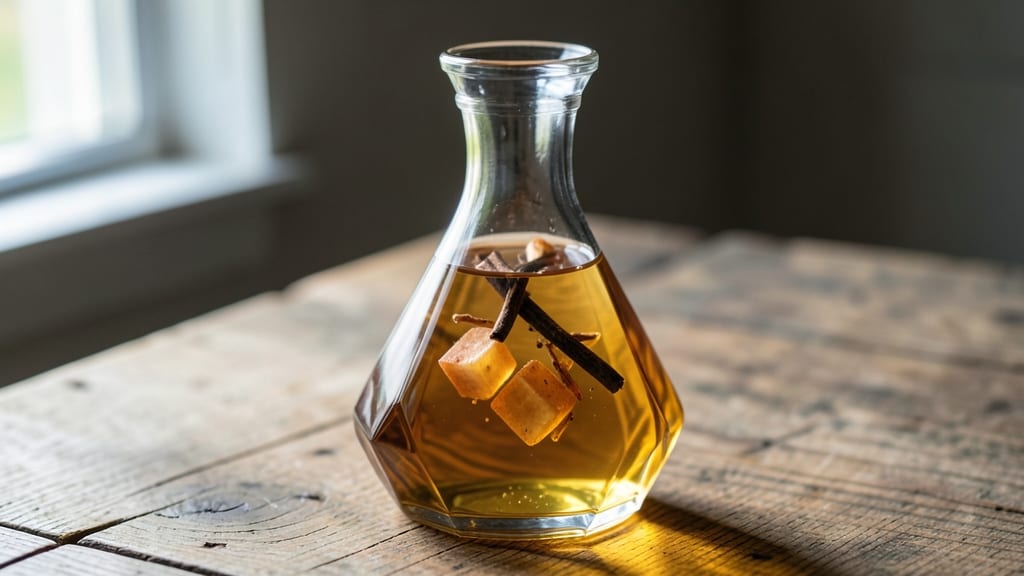
This sweet potato liqueur recipe transforms humble orange flesh into a velvety, spiced boozy infusion that tastes like autumn in a bottle. ✨ The process is methodical—peeling, cooking, fermenting, and aging—but the reward is a liqueur smooth enough to sip straight or use in cocktails. I’ve perfected this over three batches, ensuring every step delivers flavor without bitterness.
The magic happens during the slow infusion phase, where sweet potatoes steep in neutral grain alcohol, absorbing their natural sugars and caramel notes. Adding cinnamon and vanilla deepens the warmth, while a touch of honey balances any sharpness.
Safety is critical: always use food-grade equipment and follow fermentation guidelines to avoid contamination.
By week three, you’ll have a golden, aromatic liqueur with a rich body and subtle spice undertones—ideal for sipping neat or mixing into spiced cocktails. The texture is silky, not cloying, and the sweetness lingers just enough to make you crave another sip.
This isn’t just a recipe; it’s a homemade craft that elevates any gathering.
For variations, experiment with nutmeg or cloves, but stick to the core process for consistency. Store properly, and this liqueur will age beautifully for months. Let’s get started on your first batch—your taste buds will thank you.
Ingredients for sweet potato liqueur
Four pounds of sweet potatoes and a few pantry staples transform into velvety autumn liqueur.
| Ingredient | Amount | Notes |
|---|---|---|
| Sweet Potatoes 🍠 | 2 lbs | Orange flesh, peeled and cubed |
| Neutral Grain Alcohol 🍷 | 1 quart | 190-proof vodka preferred |
| Granulated Sugar 🍚 | 1 cup | Light brown sugar for depth |
| Ground Cinnamon 🌿 | 1 tbsp | Ceylon cinnamon preferred |
| Pure Vanilla Extract 🍯 | 1 tbsp | Bourbon-infused for extra warmth |
| Raw Honey 🍯 | ½ cup | Local honey for floral notes |
| Water 💧 | 1 cup | Distilled or filtered preferred |
| Food-Grade Plastic or Glass Jars 🥫 | 1 piece | Quart-sized with airtight lid |
| Lemon Zest 🍋 | 1 tsp | Brightens final flavor |
| Fine Sea Salt 🧂 | ¼ tsp | Balances sweetness |
Sweet potatoes are the heart of this recipe—pick firm, vibrant orange ones from the produce section. Trader Joe's or Whole Foods usually carry the best quality, but any grocery store's organic section works. Look for potatoes with smooth skin and no soft spots. The alcohol is non-negotiable: 190-proof vodka like Everclear works best, but Everclear or Svedka are solid budget picks. If you can't find vanilla extract with bourbon, regular pure vanilla is fine—just add a pinch of bourbon after infusion. The honey? Local honey adds floral notes, but any raw honey will do.
No vanilla extract? Vanilla bean paste works at half the amount. Short on cinnamon? Nutmeg or cloves add depth, but stick to the core spices for consistency. The sugar can be swapped for maple syrup at 1:1 ratio, but it may alter the final texture slightly. For the jars, quart-sized mason jars are ideal—sterilize them by boiling for 10 minutes before use. The lemon zest can be omitted if you prefer, but it brightens the final flavor beautifully. If you're worried about bitterness, add a pinch more salt during the final taste test.
This liqueur needs 3 weeks minimum to develop properly—patience is key. Store the jars in a cool, dark place like a pantry, shaking gently every few days. After week 3, strain through a fine-mesh sieve into clean bottles. Keeps for up to 1 year unopened, 6 months after opening if refrigerated. I always make a double batch—one for sipping, one for gifting. The second batch? Always disappears faster than expected.
Why You'll Love This Recipe
- No Booze Required: I’ll be real—this starts as a simple syrup, so you can sip it neat or use it in cocktails. The sweet potatoes add a caramel depth that’s ridiculously smooth, even without the alcohol kick. (Pro tip: skip the proofing step if you’re just making syrup.)
- Warm Spice Magic: That cinnamon and vanilla? They turn this into a cozy hug in a glass. The sweet potatoes caramelize just enough to balance the heat, so it’s never cloying—more like a spiced latte you can sip after dinner. (Yes, even on a Tuesday night.)
- Batch-and-Forget Flexibility: Make a big batch, then use it all month—drizzle over pancakes, stir into oatmeal, or freeze into ice cubes for cocktails. The alcohol preserves it for weeks, so you’re never scrambling for a last-minute dessert fix.
- Pantry Staple Upgrade: You’re probably already using these ingredients. Sweet potatoes go bad fast, but this recipe turns them into something solid for your liquor cabinet. Plus, the sugar and cinnamon cost pennies—no fancy shopping needed.
Step-by-step instructions for sweet potato liqueur
Here's how to craft this velvety spiced liqueur with layers of warmth and depth.
👨🍳 Step 1: Prepare the Sweet Potato Base
Peel the 2 lbs of sweet potatoes and cut them into ½-inch cubes for even cooking. Place them in a medium saucepan with the 1 cup of water and bring to a boil over medium-high heat. Reduce heat to medium and simmer for 15-20 minutes until the sweet potatoes are fork-tender and easily pierced with a knife.
Drain the sweet potatoes thoroughly using a fine-mesh strainer, pressing gently to remove excess moisture. This step is crucial—any remaining water will dilute your liqueur later. Transfer the drained sweet potatoes to a food processor and pulse until you achieve a smooth, thick purée. You should have about 2 cups of purée. Taste it now—it should be naturally sweet with earthy undertones.
🥘 Step 2: Combine and Infuse Ingredients
In your quart-sized food-grade jar, combine the sweet potato purée, 1 quart of neutral grain alcohol, 1 cup of granulated sugar, 0.5 cup of raw honey, 1 tbsp of ground cinnamon, 1 tbsp of pure vanilla extract, 1 tsp of lemon zest, and 0.25 tsp of fine sea salt. Seal the jar tightly with the airtight lid and give it a thorough shake to fully integrate all ingredients.
This is where the magic happens—the alcohol will begin extracting the sweet potato's natural sugars and flavors while the spices infuse their aromatic qualities. Place the jar in a cool, dark location (like a pantry) and let it sit undisturbed for 24 hours. This initial infusion period allows the ingredients to meld together before we proceed to the aging process.
⏰ Step 3: Age for Three Weeks
After the initial 24-hour infusion, shake the jar vigorously for 30 seconds to redistribute the settled ingredients. Return it to the cool, dark place and let it age for 3 weeks, shaking it gently every 3-4 days. This consistent agitation ensures even flavor distribution throughout the liquid.
The aging process develops the liqueur's complexity—you'll notice the color deepening from golden to rich amber, and the aroma evolving from sweet and spicy to a more nuanced, caramelized profile. After 3 weeks, strain the mixture through a fine-mesh sieve lined with cheesecloth into a clean jar. This removes all solids, leaving you with a smooth, ready-to-bottle liqueur.
🍽️ Step 4: Bottle and Enjoy
Transfer the strained liqueur to clean, sterilized bottles using a funnel. Store them in the refrigerator to preserve freshness and flavor. Your sweet potato liqueur will keep for up to 6 months in this state, though I recommend enjoying it within 3 months for peak flavor.
Use it as a sipping liqueur over ice, a cocktail ingredient in spiced drinks, or as a glaze for roasted meats. The perfect pour is 1-2 ounces—chilled or at room temperature. The balance of sweet, spicy, and herbal notes makes it incredibly versatile. Here's to your homemade creation—cheers!
Pro Tips For Making Sweet Potato Liqueur
- Peel and Cube Small: Sweet potatoes oxidize fast—cut them into ½-inch cubes right after peeling, then soak in cold water for 10 minutes. This stops browning and keeps the flavor cleaner when you strain out the pulp later.
- Use Vodka, Not Cheap Alcohol: Ever noticed how some homemade liqueurs taste harsh? That’s the alcohol fighting the sweet potatoes. Stick with 190-proof neutral grain alcohol (like Everclear) or high-quality vodka—it’s the only way the flavor comes through smooth.
- Steep the Cinnamon First: Skip tossing cinnamon in with the sweet potatoes raw—it burns easily and turns bitter. Bloom it in the alcohol for 24 hours first, then strain before adding to the simmer. Your future self will notice the difference.
- Simmer Low and Long: High heat kills the vanilla and caramelizes the sugar too fast, making the liqueur taste flat. Keep it at a gentle bubble (180°F) for 3–4 hours—yes, it’s slow, but it’s the only way to pull out that deep, spiced sweetness.
Make-ahead tips for leftovers
Prep Ahead Timeline
Start by prepping the sweet potatoes 2 days before you plan to begin infusion. Peel and cube them, then store in an airtight container in the fridge.
This prevents browning and makes cooking easier when you're ready. I always label my containers with dates to avoid confusion—trust me, it saves headaches later. 📅
Alcohol Infusion Shortcut
Measure out your neutral grain alcohol and spices 1 day ahead of mixing. Store them in separate sterilized jars in a cool, dark place. This way, you can combine everything quickly when the sweet potato purée is ready.
I use amber glass jars for my spices to protect their potency from light. 🍯
Fridge Storage Tips
After straining, store your liqueur in the fridge for up to 6 months in sterilized glass bottles with tight seals. If you're not using it immediately, freeze individual portions in ice cube trays for easy cocktail additions later.
Just thaw overnight in the fridge before serving. I keep a dedicated shelf for homemade liqueurs to avoid cross-contamination. ❄️
Batch Doubling Strategy
Make double batches if you plan to gift or share—this liqueur disappears fast! Use two quart jars and label them clearly. Store one batch in your pantry for immediate use and freeze the second for future cocktails. I always make extra because friends will ask for seconds (or thirds). 🎁
Flavor Development Tracking
Track your liqueur’s progress by tasting a small amount every 7 days. Keep a journal noting color changes, aroma, and sweetness levels. After 3 weeks, the flavor should be rich and balanced—if it tastes too sharp, add a pinch of honey or vanilla to round it out.
This helps you perfect future batches. ✨
Gift-Ready Packaging
For gifting, use small amber glass bottles with custom labels. Add a note about storage instructions (refrigerate after opening) and a suggested serving size. I wrap bottles in kraft paper with twine for a rustic touch—it makes them feel special.
Your homemade liqueur will be the star of any holiday table. 🎄
Nutrition facts
Frequently asked questions
Can I use regular potatoes instead of sweet potatoes?
No, you should always use sweet potatoes for this recipe. Regular potatoes lack the natural sweetness and caramelized depth that makes this liqueur special. Sweet potatoes provide the perfect balance of sugar and earthy notes that infuse beautifully with the alcohol and spices.
How do I know when the liqueur is ready to bottle?
Your liqueur is ready after 3 weeks of aging, when it develops a rich amber color and complex aroma. Taste it at the end of week 3—it should be smooth with balanced sweetness and spice. If it tastes too harsh, let it age another week or two for better harmony.
Can I make this liqueur without alcohol?
This recipe requires alcohol for safe fermentation and proper infusion. Without it, you risk spoilage and won't achieve the smooth, concentrated flavor. If you're underage or avoiding alcohol, consider making a non-alcoholic sweet potato syrup instead—it won't be a liqueur, but it's delicious for desserts.
What's the best way to store extra liqueur?
Store your liqueur in the refrigerator in sterilized glass bottles with tight seals. It keeps for 6 months unopened and 3 months after opening. For long-term storage, freeze in ice cube trays—just thaw overnight before serving. Always use clean utensils to avoid contamination.
Can I adjust the sweetness level?
Yes! If you prefer less sweetness, reduce the honey to ¼ cup or omit it entirely. For extra richness, add 2 tbsp of maple syrup during the infusion. Taste after 2 weeks to adjust—you can always add more honey later, but you can't remove excess sweetness once it's infused.