
Side Dishes
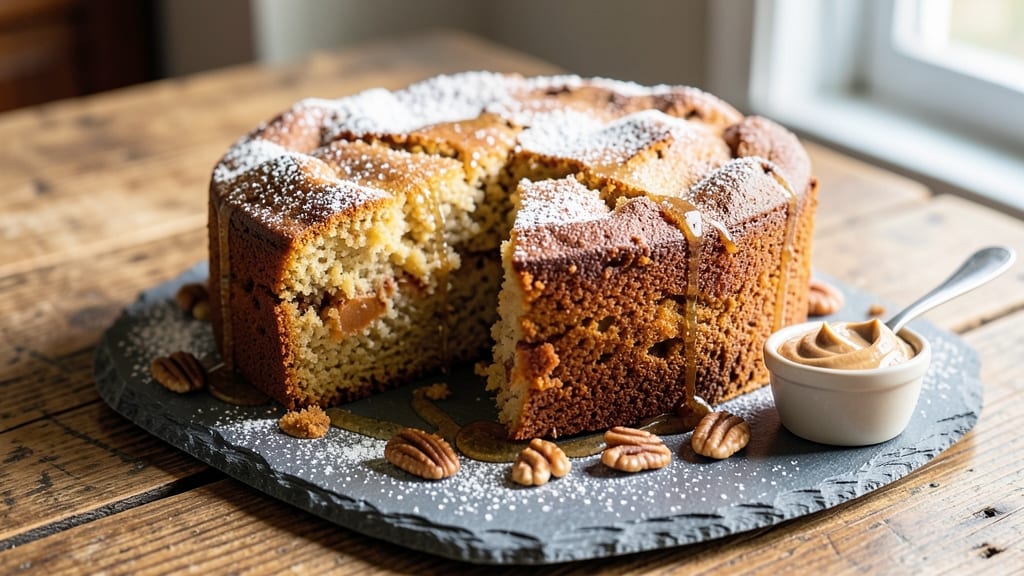
Sweet potato pound cake transforms humble ingredients into a moist, spiced masterpiece with a celery-topped crust that adds unexpected texture. This recipe combines the earthy sweetness of steamed sweet potatoes with classic pound cake structure, creating layers of custardy richness and subtle autumnal warmth.
The secret lies in properly steaming the sweet potatoes to achieve that perfect, velvety texture that keeps the cake tender for days.
What sets this recipe apart is the celery-topped crust—crisp, herby, and slightly sweet—that contrasts beautifully with the spiced custard core. You'll start by steaming sweet potatoes until fork-tender, then blend them into a smooth puree that forms the cake's foundation.
The crust uses finely chopped celery, toasted nuts, and a touch of brown sugar for depth, creating a textural contrast that makes each bite exciting.
Baking at 350°F for 50-60 minutes yields a cake with a golden dome and a crackly top, while the interior remains densely moist with just the right amount of spice.
The combination of cinnamon, nutmeg, and allspice infuses every slice with comforting warmth, making this perfect for holiday gatherings or cozy weeknight desserts. The cake keeps well for up to a week, with flavors deepening as it sits.
Serve warm with a dollop of whipped cream or a scoop of vanilla ice cream to balance the cake's natural sweetness. For extra flair, dust with powdered sugar or garnish with candied pecans.
This recipe delivers restaurant-quality results with minimal effort—ideal for both novice bakers and seasoned home cooks looking to elevate their dessert game.
Ingredients for sweet potato pound
Earthy sweet potatoes meet classic pound cake structure in this spiced dessert masterpiece.
| Ingredient | Amount | Notes |
|---|---|---|
| Sweet Potatoes 🍠 | 2 ½ lbs | Medium-sized, peeled and steamed |
| All-Purpose Flour 🌾 | 2 ½ cups | Sifted for even texture |
| Granulated Sugar 🍚 | 1 ½ cups | White or light brown |
| Brown Sugar 🍚 | ½ cup | Packed for crust |
| Unsalted Butter 🧈 | 1 cup | Cold, cubed for crust |
| Large Eggs 🥚 | 4 whole | Room temperature |
| Milk 🥛 | 1 cup | Whole milk preferred |
| Vanilla Extract 🌿 | 2 tsp | Pure extract |
| Ground Cinnamon 🌶️ | 2 tsp | Freshly ground |
| Ground Nutmeg 🌶️ | ½ tsp | Freshly grated |
| Ground Allspice 🌶️ | ½ tsp | For depth of flavor |
| Salt 🧂 | 1 tsp | Kosher or sea salt |
| Celery Stalks 🥬 | 2 whole | Finely chopped for crust |
| Pecans 🌰 | ½ cup | Toasted and chopped |
| Powdered Sugar 🍚 | ¼ cup | For dusting |
The sweet potatoes are the heart of this cake, so pick firm, vibrant orange ones—the deeper the color, the sweeter the flavor. Trader Joe's and Whole Foods carry the best varieties, but any grocery store's organic section works. Steam them until fork-tender (about 20 minutes), then blend into a smooth puree. No blender? Mash with a potato masher for a rustic texture. For the crust, pecans from Costco toast beautifully—just spread them on a baking sheet at 350°F for 8-10 minutes until fragrant. Celery should be crisp with no brown spots; wash and dry thoroughly before chopping.
No sweet potatoes? Substitute 2.5 cups of mashed regular potatoes, but the flavor won't be as rich. Running low on pecans? Walnuts or almonds work too, though the texture will differ slightly. For the crust, if you can't find brown sugar, white sugar plus 1 tsp molasses mimics the depth. The cake relies on proper steaming—undercooked potatoes make the cake dense. Pro tip: Use a food processor for the crust mix to ensure even distribution of celery and nuts. Freshly toasted nuts make all the difference, so don't skip this step if you can help it.
This cake keeps beautifully—3-4 days at room temperature wrapped in plastic, or up to 1 week refrigerated. For longer storage, freeze slices wrapped individually for up to 3 months. The crust stays crisp if stored properly, but reheating at 300°F for 5 minutes revives it perfectly. Serve at room temperature for the best texture contrast between the moist cake and crisp crust. Leftovers? Store in an airtight container with parchment between layers to maintain freshness.
Why You'll Love This Recipe
- No-Fuss Mixing: I swear by the 10-minute prep—just mash, fold, and bake. No rolling, no fussing, no waiting for dough to rest. That sweet potato base is already tender when cooked, so the batter comes together faster than pancakes.
- Caramel-Kissed Magic: Brown sugar and butter bake into a glossy crust that cracks just enough to reveal gooey sweetness underneath. Honestly, it’s the kind of dessert that makes you pause mid-bite to savor the way the sugars melt together.
- Breakfast or Snack: Serve it warm with butter for a weekend brunch, or cut into squares for a grab-and-go treat. My kids grab these straight from the fridge when they’re running late—no judgment here.
- Budget-Friendly Staples: Sweet potatoes and pantry sugars stretch into a whole batch for under $5. Leftovers? They last a week in the fridge, and I’ve even reheated slices in the toaster for a crispy second life.
Step-by-step instructions for sweet potato pound cake
Here's how to create the perfect balance of moist sweet potato filling and crisp celery-topped crust.
Prepare the Sweet Potato Filling
Preheat your oven to 350°F. Peel and slice the 2.5 lbs sweet potatoes into ½-inch thick rounds. Place them on a baking sheet lined with parchment paper and steam for 20-25 minutes until fork-tender. You'll know they're done when a knife slides in easily and the edges look slightly translucent.
Drain any excess liquid and transfer the sweet potatoes to a mixing bowl. Mash them until smooth, then stir in the 1.5 cups granulated sugar, 4 whole large eggs, 1 cup milk, 2 tsp vanilla extract, 2 tsp ground cinnamon, 0.5 tsp ground nutmeg, 0.5 tsp ground allspice, and 1 tsp salt. Set this mixture aside—it should be thick but pourable.
Make the Celery-Topped Crust
In a separate large bowl, combine the 2.5 cups all-purpose flour, 0.5 cup brown sugar, and 1 tsp salt. Cut in the 1 cup cold unsalted butter using a pastry cutter or your fingers until the mixture resembles coarse crumbs with pea-sized butter pieces remaining. This texture is crucial for creating a tender yet crisp crust.
Finely chop the 2 whole celery stalks and 0.5 cup pecans (toast the pecans first in a dry pan over medium heat for 3-4 minutes until fragrant). Add them to the flour mixture and toss gently to distribute evenly. The celery adds freshness while the pecans contribute a delightful crunch.
Assemble the Pound Cake
Grease a 10-inch tube pan generously with butter and dust with flour. Pour half of the sweet potato mixture into the bottom of the pan. Sprinkle half of the celery-topped crust mixture evenly over the sweet potato layer, pressing down gently to create an even base. Repeat with the remaining sweet potato mixture and crust mixture, pressing down firmly to ensure good contact between layers.
Here's the thing—don't overmix the crust when pressing it down. You want it to stay crumbly and crisp rather than turning into a dense layer. The key is gentle pressure to distribute the mixture evenly without compacting it too much.
Bake to Golden Perfection
Bake in the preheated oven for 50-60 minutes until the top is golden brown and a toothpick inserted into the center comes out clean. The cake should spring back slightly when pressed gently in the center—this indicates it's fully set.
If the top browns too quickly, tent the cake with aluminum foil after 30 minutes to prevent over-browning while still allowing it to bake through. The internal temperature should reach 200°F for perfect doneness. Let the cake cool in the pan for 15 minutes before inverting onto a wire rack.
Finish and Serve
Once cooled completely, dust the top generously with the 0.25 cup powdered sugar using a fine-mesh sieve. This creates that signature sweet potato pound cake finish. For serving, cut into 8 equal wedges using a serrated knife—this ensures clean slices without tearing the cake.
Serve warm or at room temperature. The contrast between the crisp celery-topped crust and the moist, spiced sweet potato filling makes each bite unforgettable. Pair with vanilla ice cream or whipped cream for an extra-special dessert experience.
Pro Tips For Making Sweet Potato Pound
- USE COLD POTATOES: Sweet potatoes straight from the oven are hot and mushy—no good for binding. Let them cool completely (even better if chilled overnight) before grating. I learned this the hard way when my first batch turned into a gluey mess instead of a sturdy pound.
- MEASURE FLOUR BY WEIGHT: Scooping flour from the bag packs it too tightly, making your pound dense. Use a kitchen scale for 1:1 ratio with grated sweet potato—aim for about 1 cup (120g) per 2 cups of potato. This keeps the texture light without drying it out.
- DON’T OVERMIX THE BATTER: Stir just until the flour disappears—overworking it develops gluten, and your pound will turn tough instead of tender. A few lumps are fine; they’ll melt into a smooth, cake-like texture when baked.
- BAKE UNTIL FINGER-TESTED: Check doneness by pressing the center: it should spring back slowly, not bounce right away. If the top browns too fast, tent with foil early. I used to pull them out too soon—now I wait for that golden crust with a just-set middle.
Troubleshooting this recipe
Cake Too Dense?
If your sweet potato pound cake turns out dense instead of moist, the sweet potatoes were likely understeamed. Always steam until fork-tender—about 20-25 minutes—and mash completely to eliminate lumps.
Overmixing the crust or pressing too firmly during assembly can also compact the texture. Use a light hand when layering to maintain that signature tender crumb. 🍠
Crust Not Crisp?
The celery-topped crust needs proper toasting and cold butter for crispness. Toast pecans until fragrant (3-4 minutes) and keep butter cold when cutting into flour. If your crust turns soggy, ensure your oven is fully preheated to 350°F before baking.
A light sprinkle of powdered sugar on the crust after baking can also help set its texture. 🥬
Uneven Baking?
Uneven baking often means the cake wasn’t centered in the pan or the oven temperature fluctuated. Always place your 10-inch tube pan on the middle rack for even heat distribution.
If the edges brown too quickly, tent with aluminum foil after 30 minutes to protect the crust while the center cooks. Rotate the pan halfway through baking for consistency. 🌡️
Sticky Top Layer?
A sticky top usually means the cake needed more time to set. Bake until a toothpick comes out clean (not moist) and the internal temperature reaches 200°F. If it’s still sticky after baking, let it cool completely before dusting with powdered sugar—this helps absorb excess moisture.
Avoid overgreasing the pan, as excess butter can cause stickiness. 💫
Sweet Potatoes Too Watery?
Excess moisture from underdrained sweet potatoes can make the cake gummy. After steaming, drain thoroughly and pat dry with a clean towel before mashing.
For extra insurance, let the mashed sweet potato mixture sit at room temperature for 10 minutes before mixing with other ingredients—this allows excess liquid to evaporate. 🥛
Crust Separating?
If the crust and cake layers separate, the crust mixture wasn’t pressed down firmly enough during assembly. Gently press each layer with the back of a spoon to create a secure bond between the sweet potato filling and crust.
For extra adhesion, lightly brush the sweet potato layer with melted butter before adding the crust mixture. 🧈
Nutrition facts
Frequently asked questions
Why do I need to steam the sweet potatoes instead of boiling them?
Steaming preserves the sweet potatoes' natural moisture and sweetness better than boiling. When boiled, sweet potatoes absorb water and become waterlogged, which can make your cake dense or gummy. Steaming for 20-25 minutes until fork-tender ensures a smooth, velvety texture that blends perfectly into the cake batter. This step is key to achieving that signature moist, custard-like center!
Can I make this cake without a tube pan? What pan should I use instead?
If you don’t have a tube pan, use a 9x13-inch baking dish or a 9-inch round cake pan. For the baking dish, reduce the oven temperature to 325°F and bake for 45-55 minutes. For a round pan, bake at 350°F for 40-50 minutes. Just adjust baking times to avoid over-browning. The crust will still form beautifully, though the texture may vary slightly.
How do I store leftovers to keep the crust crisp?
Store the cake in an airtight container at room temperature for up to 3 days, or refrigerate for 1 week. To revive the crust, wrap the cake tightly in plastic wrap and reheat at 300°F for 5-10 minutes. For longer storage, freeze slices individually for up to 3 months. Thaw at room temperature before serving. The crust stays crisp if protected from moisture!
Can I substitute orange sweet potatoes for regular sweet potatoes?
Yes, but expect a slightly different flavor profile. Orange sweet potatoes (like Jewel or Beauregard) are sweeter and more vibrant, which works beautifully in this recipe. Regular white or purple sweet potatoes are less sweet and may require adding an extra 1-2 tablespoons of sugar to balance the flavor. Stick to orange varieties for the most authentic taste!
What’s the secret to getting that perfect crackly top?
The crackly top comes from properly preheating your oven to 350°F and baking until the internal temperature reaches 200°F. Avoid opening the oven door during the first 30 minutes of baking to prevent steam from collapsing the cake. If the top browns too quickly, tent with aluminum foil. Dusting with powdered sugar after baking also adds a decorative, crackly finish!