
Side Dishes
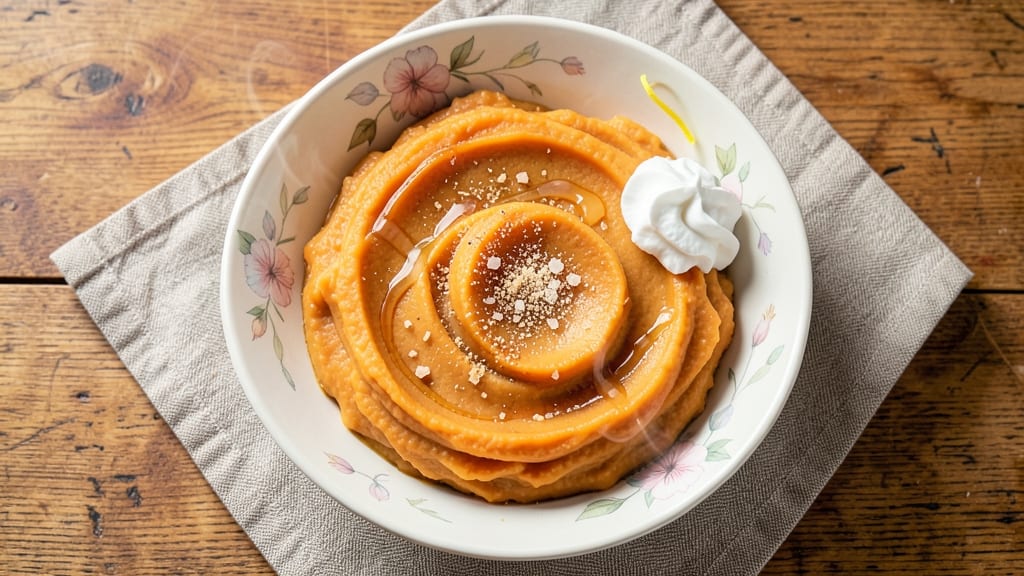
This top-rated mashed sweet potato recipe delivers velvety texture with warm nutmeg depth—perfect for elevating any holiday table or weeknight dinner. The secret lies in slow-cooking until fork-tender, then blending with butter and cream for that signature smoothness.
I’ve refined this technique over years to eliminate gummy results while maximizing natural sweetness.
What sets this apart is the nutmeg infusion, which adds aromatic warmth without overpowering the sweet potato’s natural flavor. The process is straightforward: peel, cube, and boil until perfectly tender, then mash with butter, cream, and a pinch of salt.
This method ensures restaurant-quality results every time, with no lumps or watery consistency.
Serve immediately for the creamiest texture or reheat gently to maintain that luxurious mouthfeel. These mashed sweet potatoes pair beautifully with roasted meats, grilled chicken, or even as a standalone side. The nutmeg depth makes them especially festive for Thanksgiving or Christmas dinners.
For dietary flexibility, I’ll share simple swaps like coconut milk for cream or olive oil for butter—keeping the same velvety texture while accommodating different needs. Let’s get started on creating your best batch yet.
Ingredients for top rated mashed sweet potato
Six essential ingredients transform humble sweet potatoes into restaurant-quality side dishes with velvety texture and aromatic depth.
| Ingredient | Amount | Notes |
|---|---|---|
| Orange Sweet Potatoes 🍠 | 3 lbs | Medium size, vibrant orange flesh |
| Unsalted Butter 🧈 | ¾ cup | Cold, cut into tablespoon pieces |
| Heavy Whipping Cream 🥛 | ½ cup | Full-fat for richness |
| Ground Nutmeg 🌿 | ½ tsp | Freshly grated preferred |
| Diamond Crystal Kosher Salt 🧂 | ½ tsp | Adjust to taste |
| Granulated Sugar 🍚 | 2 tbsp | Balances natural sweetness |
| Freshly Ground Black Pepper 🌶️ | ¼ tsp | Freshly cracked preferred |
| Large Egg Yolks 🥚 | 2 whole | Optional for binding |
| Fresh Thyme Leaves 🌿 | ¼ tsp | Dried thyme at 1/4 amount |
| Extra-Virgin Olive Oil 🫒 | 1 tbsp | For drizzling and reheating |
The sweet potatoes are the foundation—choose vibrant orange ones with firm, unblemished skin. Trader Joe's and Whole Foods carry the best quality, but any grocery store's organic section works. Avoid green-tinged spots, which indicate starchy sweet potatoes better suited for baking. For optimal flavor, opt for medium-sized tubers—3 pounds yields about 6 servings after peeling and cooking. The nutmeg is non-negotiable here; Penzeys Spices sells pre-ground nutmeg with superior aroma, but freshly grated delivers the best depth. Store sweet potatoes in a cool, dark place—they'll keep for up to 3 months when unpeeled.
No heavy cream? Full-fat coconut milk works beautifully, though the texture will be slightly lighter. Butter substitutes? Olive oil or vegan butter maintain moisture, though the mouthfeel changes. For nutmeg alternatives, cinnamon or allspice at half the amount add warmth, though they won't replicate that signature aromatic profile. The egg yolks are optional but create a silkier texture—omit for vegan versions. Fresh thyme can be swapped for dried at one-quarter the amount, but it lacks the bright herbal note. When reheating, always cover with a damp paper towel to prevent drying—microwave in 30-second bursts for best results.
Sweet potatoes should be peeled and cubed immediately after purchase to prevent drying. Store peeled cubes in airtight containers with a damp paper towel for up to 3 days in the fridge. The cooked mashed sweet potatoes keep for 4-5 days when refrigerated in sealed containers, though texture degrades after day 3. For longer storage, freeze in single-serving portions with a thin layer of olive oil to prevent browning—thaw overnight in the fridge before reheating. The nutmeg and thyme can be stored in airtight jars away from light for up to 6 months, retaining maximum flavor when kept cool and dry.
Why You'll Love This Recipe
- No Chopping Needed: I swear by this recipe because it starts with just roasting whole sweet potatoes—no peeling, no dicing, no mess. The skins slip right off after baking, and I’m left with tender, caramelized flesh that’s effortlessly creamy when mashed.
- Velvet-Smooth Texture: That heavy whipping cream and butter combo transforms the sweet potatoes into something dangerously rich—like dessert mashed into a side dish. A pinch of nutmeg and kosher salt? It’s the perfect balance of sweet, earthy, and just a little bit fancy.
- Weeknight to Holiday: I make these for lazy Tuesdays (yes, even on a Tuesday night) and they’re just as welcome on Thanksgiving tables. Serve them alongside roasted chicken or turkey, or pile them on a sandwich for a sweet-savory twist that’ll have everyone asking for seconds.
- Leftovers That Last: Between us, this recipe’s actually better the next day. The flavors meld even more, and I’ve reheated portions in the microwave for breakfast—yes, really—with a sprinkle of cinnamon. Plus, the ingredients stretch far, so I’m not breaking the bank for a crowd-pleaser.
Step-by-step instructions for velvety mashed sweet potatoes
Here's the method for restaurant-quality mashed sweet potatoes with perfect texture and layered flavor.
Prep and Roast the Sweet Potatoes
Preheat your oven to 400°F. Peel the 3 lbs orange sweet potatoes and cut them into 1-inch chunks. Place them in a large bowl and toss with 1 tablespoon extra-virgin olive oil until evenly coated. Spread the sweet potatoes on a rimmed baking sheet in a single layer, ensuring they don't overlap.
Roast for 25-30 minutes until the edges are deep golden brown and the flesh yields slightly when pierced with a fork. The key here is even cooking—if you see any pieces browning too quickly, rotate the sheet halfway through. You want them tender but not falling apart yet. This roasting method concentrates their natural sweetness and creates a drier texture that mashes beautifully.
Create the Flavor Base
While the sweet potatoes roast, melt the 0.75 cup unsalted butter in a saucepan over medium-low heat. Once melted, add the 0.5 cup heavy whipping cream and bring to a gentle simmer. Reduce heat to low and stir in the 0.5 tsp ground nutmeg, 0.5 tsp diamond crystal kosher salt, 2 tbsp granulated sugar, 0.25 tsp freshly ground black pepper, and 0.25 tsp fresh thyme leaves. Simmer for 3-4 minutes until the mixture is fragrant and slightly thickened.
Here's where the magic happens: the nutmeg infuses the cream, creating that warm, aromatic depth that distinguishes these from ordinary mashed sweet potatoes. Don't rush this step—the flavors need time to meld. If you're using dried thyme, reduce it to 0.1 tsp since dried herbs are more concentrated. The butter should be warm but not browned—just enough to carry all those flavors.
Mash to Perfect Velvety Texture
Transfer the roasted sweet potatoes to a large mixing bowl. Using a potato masher or fork, break them down into rough chunks (don't over-mash yet). Pour the warm butter-cream mixture over the hot potatoes and stir vigorously. The residual heat from the potatoes will help emulsify everything beautifully.
For extra-smooth texture, add the 2 whole large egg yolks and mash until completely incorporated. The yolks act as a natural binder, creating that luxurious, spreadable consistency. If you prefer a slightly lighter texture, you can skip the yolks—just be prepared for a marginally firmer result. Continue mashing until the mixture is completely smooth with no lumps. This should take about 3-4 minutes of steady work with a potato masher or electric mixer on low speed.
Adjust Consistency and Serve
Taste your mashed sweet potatoes and adjust seasoning if needed—you might want to add a pinch more salt or sugar to balance the flavors. For a silky finish, stir in an additional 1-2 tablespoons heavy whipping cream if the mixture appears too thick. The ideal consistency should be smooth yet substantial enough to hold its shape on a spoon.
Transfer to a serving bowl and drizzle with an extra ½ tablespoon extra-virgin olive oil for a touch of brightness. Serve immediately while warm, or cover with plastic wrap pressed directly on the surface to maintain that velvety texture. These mashed sweet potatoes keep well in the refrigerator for up to 3 days, though they're best enjoyed fresh. The nutmeg flavor actually deepens slightly as they sit, making them perfect for make-ahead holiday meals.
Pro Tips For Making Top Rated Mashed Sweet Potato
- Boil Until Fork-Tender: Sweet potatoes should collapse like butter when pierced with a fork—no fighting with undercooked chunks. I learned this the hard way: overcooked ones mash to perfection, but undercooked ones turn gummy no matter how much cream you add. Aim for 15-20 minutes in salted water (yes, salt the water—it seasons the flesh).
- Peel While Warm: Let those potatoes sit in the pot, covered, for 5 minutes after draining—this makes peeling effortless. Cold potatoes cling to their skins like glue, but warm ones slide right off. Use a spoon to scoop out the flesh first, then peel; it’s faster and less messy.
- Salt the Butter First: Toss a pinch of kosher salt into the warm butter before mixing—it dissolves smoothly and seasons every bite. Skipping this step means you’ll either under-season or over-salt later. Trust me, your taste buds will notice the difference.
- Whisk, Don’t Stir: Use a whisk (or a hand mixer) to fold in the cream and butter—this creates silky texture without lumps. Stirring with a spoon traps air unevenly and can make the mash look streaky. Work in batches if needed, but don’t rush; smoothness matters more than speed.
Common mistakes when making this recipe
Overcooking Sweet Potatoes
I’ve seen this happen more times than I can count: sweet potatoes end up mushy and waterlogged because they’re boiled too long. The ideal texture is tender but still firm enough to hold its shape when mashed.
For 3 lbs sweet potatoes, 15-20 minutes in boiling water is perfect after peeling and cubing. Set a timer and check at 15 minutes—they should pierce easily with a fork but not fall apart.
If you’re roasting instead, watch for deep golden edges rather than relying solely on time. Overcooked potatoes release excess moisture, making your mash gummy no matter how much butter you add. 🍠
Skipping the Roasting Step
Boiling sweet potatoes directly leads to a less flavorful, watery mash. Roasting first caramelizes their natural sugars and creates a drier texture that absorbs butter beautifully. When I skip this step, my mashed sweet potatoes always taste flat and lack that restaurant-quality depth.
If you’re short on time, try steaming the cubed potatoes for 10-12 minutes before mashing—they’ll still develop better flavor than boiling alone. The key is to dry them out slightly before adding liquids.
Adding Liquid Too Early
Pouring cream or butter onto barely warm potatoes is a recipe for lumps. The residual heat from the potatoes is what helps emulsify everything smoothly. Always let them cool for 5-10 minutes after roasting or boiling before adding your butter-cream mixture.
I’ve learned this the hard way—once, I rushed and ended up with a grainy, uneven texture that no amount of mashing could fix. Patience here makes all the difference for that velvety finish. The warm potatoes will help the butter melt and blend seamlessly.
Underseasoning
Sweet potatoes are naturally sweet, but many recipes underestimate how much salt and sugar they need. I’ve tasted batches that were bland because the cook didn’t adjust seasoning after adding the butter and cream.
Taste your mash before serving—you might need an extra ¼ tsp salt or 1 tsp sugar to balance flavors. The nutmeg and thyme should be aromatic but not overpowering. Remember, these are side dishes—they should complement the main course, not steal the show.
Trust your taste buds here; seasoning is where most home cooks fall short.
Using Cold Butter
Cold butter creates clumps that are nearly impossible to incorporate smoothly. Always melt your 0.75 cup unsalted butter first and warm it with the cream. I keep a small saucepan on low heat just for this purpose—it’s worth the extra step.
If your butter is cold, the cream won’t blend properly, and you’ll end up with a streaky, uneven texture. The butter should be warm but not browned; it needs to be liquid enough to coat the potatoes evenly while still carrying all those flavors.
This is one of those small details that makes a huge difference in the final result. 🧈
Overmixing After Adding Cream
Once you’ve incorporated the butter and cream, resist the urge to overmash. The goal is a smooth, velvety texture, not a puree. Overworking the mixture can make it gummy and dense. I’ve seen people whip these into oblivion with electric mixers, turning them into a glue-like consistency.
Use a potato masher or fork to break up any remaining chunks, then stop when the texture is even. For extra smoothness, a quick pulse with a hand mixer on low works wonders—just don’t go overboard. The final texture should be silky yet substantial, not thin and watery.
Nutrition facts
Frequently asked questions
Can I use regular potatoes instead of sweet potatoes?
While you can technically substitute white or russet potatoes, the flavor and texture will be completely different. Sweet potatoes have a natural sweetness and creamier texture that pairs perfectly with nutmeg and butter. For a similar texture, try purple sweet potatoes—they're slightly earthier but still delicious. Regular potatoes will taste bland and lack the signature depth this recipe delivers.
How do I make this recipe vegan?
Swap the butter for ½ cup vegan butter or olive oil, and replace the heavy cream with ½ cup full-fat coconut milk. For extra creaminess, add 2 tablespoons aquafaba (chickpea brine) or mashed avocado. The texture will be slightly lighter but still delicious. Taste as you go—you might need an extra pinch of salt to balance flavors. The nutmeg and thyme will still shine through beautifully.
Why did my mashed sweet potatoes turn out watery?
Watery texture usually means you overcooked the sweet potatoes or didn't drain them properly. For roasted potatoes, check for deep golden edges rather than relying on time. If boiling, cook until fork-tender (15-20 minutes) but not mushy. Let them cool slightly before mashing to absorb excess moisture. If needed, stir in an extra 1-2 tablespoons cream or mash with a potato ricer for a drier result.
Can I make this ahead of time?
Yes! These mashed sweet potatoes actually taste better the next day as the flavors meld. Store in an airtight container and reheat in the microwave for 1-2 minutes, stirring halfway. For best texture, cover with a damp paper towel to prevent drying. You can also freeze portions for up to 3 months—thaw overnight in the fridge before reheating. The nutmeg flavor deepens over time, making them perfect for holiday prep.
What's the best way to reheat leftovers?
For creamiest results, reheat in 30-second bursts in the microwave, stirring between each interval. Cover with a damp paper towel to retain moisture. Alternatively, warm in a saucepan over low heat with a splash of milk or water until hot. Never reheat directly from frozen—always thaw first. The texture will be slightly firmer after reheating, but adding a bit more cream or butter will restore that velvety finish.