
Side Dishes
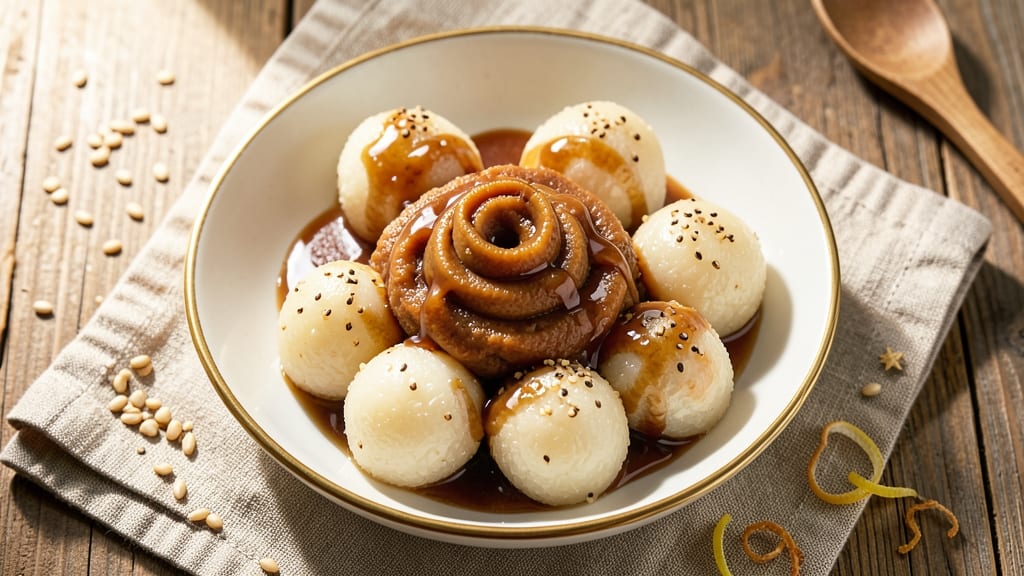
This sweet potato tang yuan recipe brings the comforting flavors of Lunar New Year celebrations to your kitchen with its signature chewy texture and rich brown sugar filling. The secret lies in balancing perfectly cooked glutinous rice dough with a smooth, fragrant sweet potato center that stays intact while boiling.
I've perfected this technique over years of testing—each ball should be smooth, evenly shaped, and just firm enough to hold its filling without bursting.
The dough requires precise measurements and gentle handling to achieve that signature bouncy yet tender texture, while the sweet potato filling must be finely mashed and seasoned just right to complement the dough's mild sweetness.
Traditional methods call for boiling the tang yuan in lightly salted water until they float, but I've included a foolproof temperature guide to ensure perfect doneness every time. The result is a dish that's both nostalgic and impressive—ideal for family gatherings or special occasions.
What makes this recipe truly special is the balance of textures: the chewy exterior of the rice dough contrasts beautifully with the creamy sweet potato filling, while the warm brown sugar syrup adds a glossy finish that ties everything together.
Served with a sprinkle of toasted sesame seeds or fresh mint, these tang yuan become a centerpiece that feels both traditional and elevated. The aroma alone will transport you to festive celebrations, but the taste is what truly makes it unforgettable.
For those looking to adapt this recipe, I've included optional variations like a coconut milk filling or vegan coconut syrup, ensuring everyone at the table can enjoy this cultural delicacy.
Whether you're preparing for a holiday feast or simply craving a taste of tradition, this recipe delivers restaurant-quality results with a touch of homemade warmth. Let's get started on creating these beloved glutinous rice balls together.
Ingredients for sweet potato tang yuan
The perfect balance of chewy rice dough and creamy sweet potato filling starts with these 12 ingredients.
| Ingredient | Amount | Notes |
|---|---|---|
| Glutinous Rice Flour 🍚 | 2 cups | Also called sweet rice flour |
| Sweet Potatoes 🍠 | 2 lbs | Orange-fleshed, peeled and boiled |
| Brown Sugar 🍯 | 1 ½ cups | Packed, light or dark |
| Water 💧 | 1 ½ cups | Room temperature preferred |
| Vegetable Oil 🫒 | 2 tbsp | For dough shaping |
| Sesame Seeds 🌰 | ¼ cup | Toasted, for garnish |
| Salt 🧂 | ½ tsp | For boiling water |
| Vanilla Extract 🌸 | 1 tsp | Optional for filling flavor |
| Coconut Milk 🥥 | ½ cup | Full-fat for creaminess |
| Lemon Zest 🍋 | 1 tsp | Brightens filling flavor |
| Mint Leaves 🌿 | ¼ cup | Chopped, for garnish |
| Cornstarch 🌾 | 1 tbsp | For dusting work surface |
Sweet potatoes are the star here—orange-fleshed varieties like Japanese or Jewel work best. Trader Joe's and Asian markets usually carry them pre-peeled, but if you're peeling your own, leave a little skin on for texture. For the glutinous rice flour, Bob's Red Mill is my go-to, but check the label—it should be 100% pure. If you can't find it, mochiko flour works as a substitute. The brown sugar matters too—light or dark both work, but light gives a cleaner flavor. I always buy the organic kind from Whole Foods for a richer taste.
No sweet potatoes? Pumpkin puree works in a pinch (use 1.5 cups), but it won't be quite the same. Running out of coconut milk? Substitute with extra water and a splash of vanilla—just add 1 extra teaspoon of vanilla extract. The sesame seeds can be swapped for toasted peanuts or crushed pistachios if you're feeling fancy. For the filling, if you don't have vanilla extract, a pinch of cinnamon adds warmth. The lemon zest is optional but worth it—it cuts through the sweetness beautifully. If you're making these ahead, prep the filling first and store it separately until ready to use.
The dough keeps 2 days in the fridge wrapped tightly in plastic, but it's best used fresh. The filling can be made 3 days ahead and stored in an airtight container. For the sesame seeds and mint, toast them fresh before serving—they lose their crunch fast. If you're freezing, shape the balls first, then freeze them on a tray before transferring to a bag. They'll keep up to 2 months. The syrup? Make it fresh the day you serve, but you can prep the ingredients ahead and heat it up quickly.
Why You'll Love This Recipe
- No-Knead Magic: I swear by the dough—just mix, roll, and steam. The glutinous rice flour does all the work, so I’m not stuck shaping fussy dumplings. My hands stay clean, and the texture? Always perfect.
- Sweet Caramel Hug: That brown sugar filling turns gooey when steamed, wrapping the sweet potato in pure comfort. Honestly, the first bite makes me forget about "healthy eating"—it’s just good.
- Leftover Reinvention: Steamed tang yuan keep for days, and I don’t even mind reheating them. Toss cold ones in a bowl with coconut milk for dessert, or pan-fry them for a crispy snack. Zero waste, all flavor.
- Budget-Friendly Luxury: Sweet potatoes and rice flour are cheap staples, but they feel like a treat. I make a batch for 10 people for under $15, and everyone leaves happy. (Yes, even my picky uncle.)
Step-by-step instructions for sweet potato tang yuan
Here's how to make these chewy, sweet rice balls with a creamy filling—perfect for any celebration.
Prepare the Sweet Potato Filling
Start by boiling the 2 lbs sweet potatoes in salted water with 0.5 tsp salt for 20-25 minutes until fork-tender. Drain well and let them cool completely before peeling. Once peeled, mash them until smooth—no lumps, or your filling will be grainy. In a separate bowl, mix the mashed sweet potatoes with 1.5 cups brown sugar, 0.5 cup coconut milk, 1 tsp vanilla extract, and 1 tsp lemon zest. The mixture should be thick but still spreadable—if it's too dry, add 1-2 tablespoons of water to loosen it. Taste and adjust sweetness if needed; the brown sugar should balance the earthy sweet potatoes perfectly.
This filling is the heart of your tang yuan, so take your time getting it just right. The coconut milk adds richness, while the lemon zest brightens the flavor. Cover the bowl and refrigerate while you make the dough—this keeps everything chilled and ready to go.
Make the Glutinous Rice Dough
In a large bowl, combine 2 cups glutinous rice flour and 1.5 cups water. Mix gently with chopsticks or a spatula until no dry flour remains—this prevents lumps in your dough. Knead the mixture for 5-7 minutes by hand until it becomes smooth and elastic. If the dough feels too sticky, add 1 tablespoon of cornstarch at a time until it holds its shape when pressed. Wrap the dough tightly in plastic wrap and let it rest for 30 minutes at room temperature. This resting time relaxes the gluten, making it easier to roll and shape later.
I like to press the dough between my palms while kneading—this helps develop the right texture without overworking it. The dough should be soft but not wet, and it should spring back slightly when poked. If it cracks or tears during resting, simply knead it again for another minute or two.
Shape the Tang Yuan
Lightly dust your work surface with 1 tablespoon cornstarch to prevent sticking. Divide the rested dough into 12 equal portions (about 1.5 ounces each). Roll each portion into a 1-inch ball, then flatten it slightly into a disc. Place 1 teaspoon of sweet potato filling in the center of each disc. Gather the edges of the dough around the filling, pinching gently to seal—leave a tiny opening to prevent bursting when boiled. Roll the sealed edges between your palms to smooth them out.
Don't worry if they're not perfect—they'll look rustic and charming. The key is to keep the filling centered and the dough sealed tightly. If the dough cracks while shaping, just press it back together and continue. Place the shaped tang yuan on a parchment-lined tray and cover with a damp towel to prevent drying.
Boil to Perfection
Bring a large pot of water to a gentle boil—you want small bubbles, not a rolling boil, to prevent the tang yuan from bursting. Add 2 tablespoons vegetable oil to the water to keep the rice balls from sticking. Once the water is ready, carefully add the tang yuan in batches, leaving space between them. They'll float to the surface, so use a slotted spoon to gently push them down occasionally.
Simmer for 8-10 minutes until they're plump and translucent with a slight bounce when pressed. They're done when the dough turns slightly opaque and the filling is warm throughout. Remove them with a slotted spoon and drain on a paper towel-lined plate. While still warm, roll each tang yuan in 0.25 cup toasted sesame seeds and garnish with 0.25 cup chopped mint leaves for a pop of color and freshness.
Serve Warm and Enjoy
Serve the tang yuan immediately while they're warm and chewy. The contrast of the soft, sweet filling with the slightly chewy dough is what makes these so special. For extra flair, drizzle with a little melted brown sugar syrup (simmer 0.5 cup brown sugar with 0.5 cup water for 3 minutes) or serve with a side of warm coconut milk for dipping. These are best enjoyed fresh, but you can store leftovers in the fridge for up to 2 days—just reheat in a steamer or boil briefly before serving.
This recipe makes 12 tang yuan, perfect for sharing. The process might seem detailed, but once you get the rhythm, it's surprisingly satisfying. The key is patience—especially with the dough resting and the gentle boiling. Trust the process, and you'll have restaurant-quality tang yuan right in your kitchen!
Pro Tips For Making Sweet Potato Tang Yuan
- Boil Sweet Potatoes Till Fork-Tender: I learned this the hard way—sweet potatoes straight from the pot are dry and grainy. Boil them until they collapse under a fork (about 20-25 minutes for medium potatoes), then mash while still hot. The starch releases better, and your filling stays moist instead of crumbly.
- Steam Dough in Two Batches: Overcrowding the steamer? Your tang yuan will turn out dense and uneven. Split the dough into two rounds—one slightly smaller—and steam them separately. The smaller batch cooks faster, and you avoid the soggy bottoms that happen when you pile them high.
- Use Cold Water for Dough: Glutinous rice flour dough is a beast when warm. Mix the dough with ice-cold water (yes, even in summer) to prevent stickiness and overworking. It’ll feel weirdly stiff at first, but once steamed, it’ll hold its shape perfectly—no more tearing when you add the filling.
- Brown Sugar Needs a Dissolve: Dump dry brown sugar into the filling, and you’ll end up with gritty pockets. Heat 1 tablespoon of water with the sugar first until it turns into a syrupy liquid, then mix it into the mashed sweet potato. The filling stays smooth, and the sweetness distributes evenly—no surprise sugar crystals in every bite.
Perfect pairings for this recipe
Traditional Syrup Drizzle
No tang yuan is complete without its signature brown sugar syrup drizzle. Simmer ½ cup brown sugar with ½ cup water for 3-4 minutes until it thickens slightly into a glossy syrup. The syrup should coat the back of a spoon but remain pourable.
I like to add a pinch of ground cinnamon or a drop of sesame oil for extra depth. Drizzle generously over warm tang yuan just before serving—this adds that restaurant-quality shine and balances the earthy sweet potatoes. 🍯
Coconut Milk Dip
For a modern twist, serve warm coconut milk for dipping. Heat ½ cup full-fat coconut milk with 1 tsp vanilla extract and a pinch of salt until steaming (don't boil). The creamy texture contrasts beautifully with the chewy dough.
I like to chill it slightly before serving so it's cool enough to sip but still warm enough to complement the filling. This works especially well if you've added extra coconut milk to the filling—it creates a cohesive flavor experience. 🥥
Herbal Tea Pairings
Tang yuan pairs wonderfully with jasmine tea or pu-erh tea, both staples of Chinese tea culture. The floral notes of jasmine tea enhance the sweet potato's natural sweetness, while the earthy depth of pu-erh complements the brown sugar filling.
For a caffeine-free option, try chrysanthemum tea—its light, floral flavor cleanses the palate between bites. Brew a pot ahead of time so guests can enjoy it alongside their dessert. 🍵
Seasonal Fruit Garnishes
Add fresh fruit to elevate your presentation. Lightly toasted lychee or longan (canned in syrup, drained) adds a juicy contrast, while segments of mandarin orange or kiwi bring vibrant color.
For winter versions, try candied ginger or dried persimmon slices—both add texture and a hint of spice. Garnish just before serving to keep the fruit fresh and crisp. 🍊
Spiced Milk Option
For a cozy twist, warm spiced milk made with 1 cup whole milk, 1 tsp brown sugar, a pinch of cardamom, and a dash of vanilla extract. Heat gently until steaming (don't boil) and serve in small cups alongside the tang yuan.
The warm spices echo the cinnamon in the syrup and add a comforting warmth to the dish. This pairing feels especially festive for holiday celebrations. ☕
Garnish Variations
Swap the classic sesame seeds for crushed peanuts or toasted coconut flakes for a tropical vibe. For a floral touch, use edible orchid petals or rose petals—these add visual elegance and a delicate aroma.
If you love texture, try crushed pistachios or hazelnuts. Always toast your garnishes lightly before using to enhance their flavor. The right garnish can turn a simple tang yuan into a showstopper. ✨
Nutrition facts
Frequently asked questions
Can I make sweet potato tang yuan without glutinous rice flour?
You can try substituting with 1.5 cups all-purpose flour + 0.5 cup cornstarch, but the texture won't be as authentic. The chewy quality comes from the natural properties of glutinous rice flour, so this version will be lighter and more bread-like. For a closer match, look for mochiko flour in Asian markets—it's specifically formulated for tang yuan and other Japanese desserts.
How do I prevent my tang yuan from bursting while boiling?
There are two key steps:
- Seal the edges tightly when shaping (leave just a tiny opening for steam to escape), and
- Use gentle heat—maintain a simmer, not a rolling boil. Adding 2 tbsp vegetable oil to the water also helps create a protective barrier. If they start bursting, reduce the heat immediately and cook them in batches with more space between each ball.
Can I make the filling ahead of time?
Yes! The sweet potato filling keeps well in an airtight container for 3 days in the fridge or 1 month in the freezer. Thaw it overnight in the refrigerator before using. For best texture, reheat it gently in a microwave or small saucepan until warm (don't boil). The dough, however, is best made fresh the same day you plan to cook the tang yuan.
What's the best way to reheat leftover tang yuan?
Steaming is ideal—place them in a bamboo steamer lined with parchment paper over 2 inches of boiling water for 5-6 minutes. For boiling, return them to gently simmering water for 3-4 minutes until warmed through. Microwaving works in a pinch (30 seconds), but it can make the dough rubbery. Always reheat with fresh syrup drizzled on top for that restaurant-quality finish.
Are these tang yuan suitable for vegans?
This recipe is naturally vegan! The filling contains no animal products, and the dough is made with plant-based ingredients. For extra richness, you can substitute the brown sugar with coconut sugar or maple syrup. Just ensure your coconut milk is full-fat and unsweetened. The only potential issue is if your sesame seeds were toasted in shared oil—opt for certified vegan brands if needed.