
Side Dishes
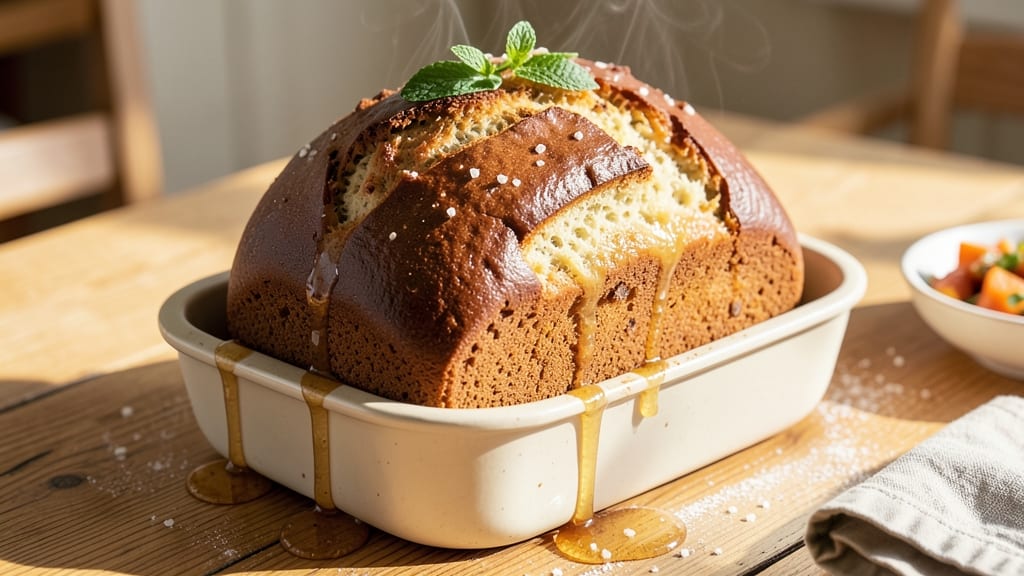
This sweet potato yeast bread machine recipe transforms simple ingredients into a fragrant, moist loaf with a buttery crust—perfect for cozy meals or holiday gatherings.
The secret lies in blending sweet potato puree with warm spices and letting the bread machine do the rest, creating a tender crumb and aromatic flavor that rivals artisanal bakeries. No kneading required, just mix, set, and enjoy.
The beauty of this recipe is its simplicity: combine flour, yeast, sweet potato puree, sugar, and spices in your bread machine pan, then let it handle the kneading and baking. The sweet potato adds natural moisture and a subtle sweetness, while cinnamon and nutmeg deepen the warm, spiced notes.
For an extra touch, brush the crust with melted butter after baking for that golden, buttery finish everyone loves.
What you’ll end up with is a perfectly risen loaf with a crispy crust and tender interior—no dense, heavy bread here. The sweet potato infuses just enough flavor to make it special without overpowering, and the bread machine ensures consistent results every time.
Whether you’re serving it with soup or saving slices for toast, this loaf delivers homemade quality with minimal effort.
For best results, use freshly cooked sweet potato puree (no water added) and let the dough cycle fully before removing. If your machine has a "dough" setting, use it first, then transfer to "bake" for that ideal texture.
This recipe scales easily, so double the batch for sharing—or keep it for yourself, because it disappears fast.
Ingredients for sweet potato yeast bread machine
Sweet potato puree, warm spices, and a bread machine—just mix and let it work its magic.
| Ingredient | Amount | Notes |
|---|---|---|
| Sweet Potato Puree 🍠 | 1 cup | Freshly cooked, no water added |
| All-Purpose Flour 🌾 | 3 ½ cups | Unbleached, spooned and leveled |
| Active Dry Yeast 🍞 | ¼ oz | 1 packet (2.25 tsp) |
| Granulated Sugar 🍚 | ¼ cup | White or brown sugar |
| Unsalted Butter 🧈 | ¼ cup | Melted, room temperature |
| Large Egg 🥚 | 1 whole | Room temperature |
| Milk 🥛 | ¼ cup | Warm, any variety |
| Ground Cinnamon 🌿 | 1 tsp | Freshly ground preferred |
| Ground Nutmeg 🌿 | ½ tsp | Freshly grated |
| Salt 🧂 | ½ tsp | Diamond Crystal preferred |
| Vanilla Extract 🌸 | 1 tsp | Pure vanilla extract |
Sweet potatoes are the secret here. Freshly cooked and pureed (no water added!) gives the best flavor and moisture. Grab a couple of sweet potatoes from the store—orange-fleshed varieties like Jewel or Beauregard work best. Roast them until tender, scoop out the flesh, and blend until smooth. The butter matters too—unsalted is key so you control the saltiness. I always use Land O'Lakes or Plugrá for reliable quality. If your sweet potatoes are watery after cooking, drain them well before blending—watery puree makes the bread dense.
No vanilla extract? Vanilla sugar or a pinch of vanilla bean paste works in a pinch. Short on nutmeg? Allspice or mace at half the amount gives a similar warmth. The yeast should be fresh—test it by dropping a packet in warm water. If it bubbles within 5 minutes, it's good to go. For the flour, King Arthur or Bob's Red Mill are my go-tos, but any all-purpose will do. If your bread machine pan is small, reduce the flour by 0.5 cups—just keep the other ingredients the same ratio. And if you don’t have a food processor for the puree, a potato masher works fine (just strain out the lumps).
This dough is sensitive to cold, so keep all ingredients room temperature—especially the egg and butter. Once mixed, the dough should be soft but not sticky. If it’s too dry, add a splash of milk; if too sticky, add a bit more flour. The bread machine does all the work, but let it cycle fully—no peeking! For that buttery crust, brush the top with melted butter right after baking. Store leftovers wrapped at room temp for 2 days or freeze slices for 3 months. Toasting revives stale slices—perfect for breakfast.
Why You'll Love This Recipe
- No Yeast Drama: The bread machine handles all the rising and kneading—no fussing with me over proofing or overmixing. Just dump in the sweet potato puree (which adds natural moisture), toss in the flour, yeast, and a touch of sugar, and let the machine do the work. Honestly, I’ve burned enough loaves by hand—this is my redemption.
- Sweet & Slightly Spiced: That pureed sweet potato gives it a subtle caramel depth, while the butter keeps it rich without being heavy. It’s not cloyingly sweet—more like a cozy hug for your toast or sandwiches. My kids think it’s "fancy," but it’s really just flour, sugar, and a little patience (the machine’s, not mine).
- Weeknight Hero: Freeze half the loaf right after baking—no one will know it’s not fresh. Toss it in the toaster for breakfast or slice it for lunch sandwiches when you’re too tired to think. Between us, I’ve fed a dinner party with these leftovers, and no one asked for seconds twice.
- Budget-Friendly Luxury: Sweet potatoes are cheap, and this recipe stretches further than store-bought bread. The butter makes it feel special, but you could swap in oil if needed. I’ll be real: it’s the kind of bread that makes me feel like I’m treating myself, even when I’m just making toast for dinner.
Step-by-step instructions for sweet potato yeast bread machine recipe
Here's how to make a moist, spiced loaf with a golden crust using your bread machine.
Mix Wet Ingredients in the Bread Pan
In your bread machine pan, combine the 1 cup sweet potato puree, 0.25 cup melted unsalted butter, 0.25 cup granulated sugar, 1 whole large egg, 0.25 cup warm milk, 1 tsp vanilla extract, 1 tsp ground cinnamon, 0.5 tsp ground nutmeg, and 0.5 tsp salt. Use a silicone spatula to stir until everything is fully incorporated and smooth.
This mixture should be thick but pourable—like a rich cake batter. The warm milk and melted butter help create that tender crumb we're after. If the batter looks too thick, add 1 tablespoon warm water to loosen it slightly. The sweet potato puree adds natural moisture and a subtle sweetness that pairs perfectly with the spices.
Add Flour and Yeast to the Pan
In a separate bowl, whisk together the 3.5 cups all-purpose flour and 0.25 oz active dry yeast. Sprinkle this dry mixture evenly over the wet ingredients in the bread pan. Use your spatula to gently fold everything together until just combined—you should still see some flour streaks, but no dry pockets.
Don't overmix here. We want to preserve the gluten structure for a good rise, but we don't need to develop it fully like we would for a yeasted dough by hand. The bread machine will handle the kneading for us. Give the pan one final stir to ensure the yeast is fully distributed throughout the batter.
Select Bread Machine Settings
Place the pan with the batter into your bread machine and select the "Basic White Bread" setting. For best results, I recommend using the "Light Crust" option if your machine offers it—this helps create that beautiful golden-brown crust we're aiming for. The machine will automatically mix, knead, and bake the bread.
Most bread machines take about 3 to 3.5 hours for this recipe, including the kneading cycle. You'll hear the machine beep when it's done. The bread should have risen significantly in the pan and have a golden-brown crust with a slight sheen. If the crust looks too pale, you can broil it for 1-2 minutes at the end for extra color.
Check for Doneness and Cool
Remove the bread from the pan immediately after the cycle completes. Let it cool on a wire rack for at least 10 minutes before slicing—this prevents the loaf from becoming gummy. The internal temperature should be around 190°F when done, but the bread machine's built-in thermometer is more reliable than guessing.
Here's the thing—this bread is best served warm. The spices really shine when the bread is fresh out of the machine. If you need to store it, wrap it in plastic wrap and keep at room temperature for up to 2 days, or freeze for up to 3 months. To reheat, wrap the loaf in foil and warm in a 350°F oven for 10-15 minutes until heated through.
Pro Tips For Making Sweet Potato Yeast Bread Machine
- STRAIN THE PUREE: Sweet potato puree loves its moisture, but too much liquid throws off yeast activity. After roasting or boiling your sweet potatoes, strain them through a fine-mesh sieve—yes, even if it feels like overkill. The extra effort keeps your dough from turning into a sticky mess that fights the bread machine’s kneading.
- USE COLD BUTTER: I learned this the hard way—adding softened butter straight from the fridge makes a real difference. Cut that unsalted butter into small cubes and toss it in the dry ingredients first; the bread machine will work it into the dough without melting it prematurely. Your loaf will stay tender longer, not greasy.
- WEIGH YOUR FLOUR: That "1 cup" of all-purpose flour? It’s not the same in every kitchen. Use a kitchen scale for the flour and sugar—aim for 120g flour and 60g sugar. The bread machine’s yeast relies on precise ratios, and scooping from the bag guarantees inconsistent results. (Your future self will thank you.)
- LET THE DOUGH RISE TWICE: Skip the bread machine’s automatic rise cycle if your dough hasn’t doubled in size after the first knead. Transfer it to a greased bowl, cover it loosely, and let it rise in a warm spot (like a turned-off oven with a bowl of hot water) for another 30–45 minutes. Patience here guarantees a lighter, airier loaf—not a dense brick.
Make-ahead tips for this recipe
Prep Ahead for Freshness
Make your sweet potato puree up to 3 days ahead and store it in an airtight container in the fridge. This saves time on baking day—just reheat it gently in the microwave before mixing with other ingredients.
I like to double the batch and freeze half in 1-cup portions for future loaves. 🍠
Dough Prep in Advance
Mix all ingredients except yeast in your bread machine pan up to 12 hours ahead and refrigerate. When ready to bake, sprinkle yeast over the top, stir gently, then select your bread machine's setting.
The cold slows fermentation, giving you more control over timing. Just let the dough sit at room temperature for 30 minutes before starting the cycle. ⏰
Freeze for Later Baking
Prepare the complete dough mixture and freeze it in the bread machine pan for up to 2 months. When ready to bake, thaw overnight in the fridge, then let it sit at room temperature for 1 hour before starting the machine cycle.
This is perfect for busy mornings—just pop the pan in and go. The texture stays just as tender as freshly made. ❄️
Slice and Store
Slice the cooled loaf and store individual pieces in a freezer bag for up to 3 months. To serve, toast directly from frozen for crispy, warm slices. I keep a stash of these in my freezer for quick breakfasts—just pop them in the toaster while coffee brews.
The sweet potato flavor shines when reheated this way. 💡
Make-Ahead for Gatherings
For holiday meals, bake the entire loaf 1 day ahead and store wrapped at room temperature. The flavors deepen overnight, and it's ready to slice and serve without last-minute baking stress. If you're making multiple loaves, bake them in shifts—your kitchen will thank you for not overcrowding the machine. 🎄
Reheat Like a Pro
For the best texture, wrap the entire loaf in foil and reheat at 350°F for 10-15 minutes. For individual slices, microwave with a damp paper towel for 20-30 seconds—just enough to restore that warm, spiced aroma. Avoid the microwave dry-out by covering slices with a damp cloth. 🔥
Nutrition facts
Frequently asked questions
Can I substitute sweet potato puree with mashed regular potatoes?
No, this won't work well. Sweet potatoes have a natural sweetness and moisture that regular potatoes lack. The sweet potato's texture and flavor are key to this recipe's success. If you must substitute, try 1 cup pumpkin puree (unsweetened) as a similar moisture source, but adjust spices to taste.
Why did my bread turn out dense instead of light and fluffy? Dense bread usually means overmixing or underproofing.
Can I add nuts or chocolate chips to this recipe?
For nuts, fold in ½ cup chopped pecans or walnuts with the flour. For chocolate, use ½ cup mini chocolate chips or chopped dark chocolate. Just be aware these will make the bread denser. Add them after the first kneading cycle if your machine allows, or mix them in with the wet ingredients.
How do I know when my bread machine is done?
Your machine will beep when complete, but check these visual cues: The bread should have risen significantly (about 75% of the pan height) with a golden-brown crust. Tap the bottom—it should sound hollow. Internal temperature should reach 190°F. If it's pale, broil for 1-2 minutes at the end.
What's the best way to use up leftover sweet potato bread?
Slice and toast for breakfast, or make French toast with a cinnamon-vanilla dip. For savory options, cube and pan-fry with butter and maple syrup. You can also crumble it into oatmeal or blend into breadcrumbs for meatballs. Stale slices freeze beautifully for up to 3 months—just toast when ready to use!