
Side Dishes
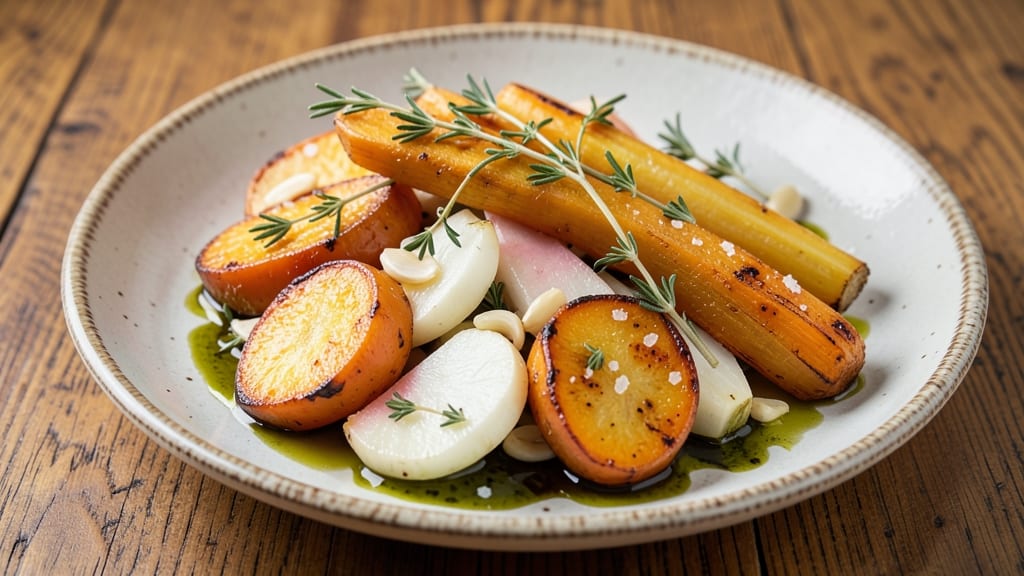
This turnip parsnip sweet potato recipe transforms humble root vegetables into a caramelized, flavor-packed side that deserves center stage. 🌟 The secret lies in roasting them together at high heat until their edges turn golden and their natural sweetness intensifies, creating a dish that's hearty enough to stand alone or elegant enough to complement any main.
What makes this recipe work is the balance of textures and flavors—tender sweet potatoes, earthy parsnips, and slightly peppery turnips all develop a crispy exterior while staying moist inside.
A simple olive oil, garlic, and thyme marinade enhances their natural sweetness without overpowering it, while a pinch of smoked paprika adds depth that ties everything together.
By the time you pull these from the oven, you'll have a vibrant, aromatic dish with deep caramelized edges and a perfect balance of sweet and savory.
The aromas alone will have everyone at the table asking for seconds, and the versatility means it works as a side or even a vegetarian main course when paired with a fresh salad or protein of choice.
Ready in just 45 minutes with minimal prep, this recipe delivers restaurant-quality results without the fuss. Let's get started!
Ingredients for turnip parsnip sweet potato
Roasted trio of sweet potatoes, parsnips, and turnips with a smoky, caramelized finish.
| Ingredient | Amount | Notes |
|---|---|---|
| Sweet Potatoes 🍠 | 2 lbs | Medium size, peeled and cubed |
| Parsnips 🥕 | 1 ½ lbs | Peeled and cut into chunks |
| Turnips 🥬 | 1 ½ lbs | Peeled and sliced into wedges |
| Extra-Virgin Olive Oil 🫒 | ½ cup | For roasting and marinade |
| Garlic Cloves 🧄 | 4 cloves | Minced for marinade |
| Fresh Thyme 🌿 | ¼ cup | Chopped, stems removed |
| Smoked Paprika 🌶️ | 1 tsp | For depth of flavor |
| Salt 🧂 | 1 ½ tsp | Kosher or sea salt |
| Black Pepper 🌶️ | ½ tsp | Freshly ground |
| Maple Syrup 🍯 | 1 tbsp | For glaze (optional) |
| Lemon Juice 🍋 | 1 tbsp | Freshly squeezed |
| Vegetable Broth 💧 | ¼ cup | For added moisture |
| Coconut Oil 🥥 | 1 tbsp | For crispy edges (optional) |
The vegetables are the stars here. Sweet potatoes should be firm and vibrant orange—avoid any with soft spots. Parsnips and turnips work best when fresh, so check for crispness rather than color. I always grab mine from the organic section at Whole Foods or Trader Joe's, where they're consistently fresh. If you can't find organic, regular produce works fine—just give them a good rinse. The key is uniform cutting: 1.5-inch chunks for even roasting. For extra crispiness, toss them with a light coat of coconut oil before roasting—it's a game-changer for texture.
No fresh thyme? Dried thyme at one-third the amount works in a pinch, but the fresh herb adds a brighter flavor. Running low on smoked paprika? Regular paprika plus a pinch of cayenne mimics that smoky depth. The maple syrup glaze is optional but recommended—it adds a beautiful caramelized sheen. For a tangier finish, swap the lemon juice for apple cider vinegar. If you're prepping ahead, store the cut vegetables in airtight containers with a paper towel to absorb moisture, but roast them within 24 hours for best texture.
Roasted vegetables reheat beautifully—just pop them in a 350°F oven for 10-15 minutes until warmed through. They keep well in the fridge for 5 days if stored in an airtight container, though they're best enjoyed within 3 days for peak texture. For meal prep, portion into containers and drizzle with a little extra olive oil before sealing. The flavors actually improve overnight as the vegetables caramelize further. Freezing isn't recommended, as it turns them mushy, but you can freeze the glaze separately for up to 3 months.
Why You'll Love This Recipe
- One-Pan Magic: I swear by this recipe—just toss the chopped sweet potatoes, parsnips, and turnips on a sheet pan with olive oil, garlic, and salt. No pots, no pans, no stress. The oven does all the work while I sip my coffee and pretend I’m not cooking.
- Sweet & Earthy Harmony: Between us, the combo of sweet potatoes and turnips with that nutty parsnip bite is chef’s kiss. Roasting them with garlic until caramelized? Pure satisfaction—like autumn in your mouth, but better because it’s actually edible.
- Meal Prep MVP: I make this on Sundays and it lasts all week. The flavors deepen overnight, and it reheats like a dream—whether I’m throwing it in a grain bowl or serving it alongside chicken for dinner. Honestly, I’ve never met a leftovers dish I didn’t love.
- Budget-Friendly Crowd-Pleaser: Turnips and parsnips are cheap, but they feel fancy. A single sheet pan feeds four for under $10, and the olive oil and garlic make it taste like I spent hours (when I really didn’t). My roommates call it my “secret weapon” for lazy nights.
Step-by-step instructions for roasted turnip, parsnip, and sweet potato trio
This method delivers caramelized edges and tender centers through precise timing and temperature control.
🍳 Step 1: Prepare the Vegetable Marinade
In a small bowl, combine the 0.5 cup extra-virgin olive oil, 4 minced garlic cloves, 0.25 cup chopped fresh thyme, 1 tsp smoked paprika, 1.5 tsp salt, and 0.5 tsp black pepper. Whisk vigorously until the spices dissolve and the mixture becomes fragrant—this ensures even flavor distribution. The garlic should be finely minced so it blends seamlessly into the vegetables rather than creating distinct chunks.
I like to let this marinade sit for 5 minutes at room temperature while I prepare the vegetables. This brief resting period allows the flavors to meld slightly, creating a more cohesive seasoning. If you're short on time, skip the resting—just make sure to toss the vegetables thoroughly with the marinade before roasting.
👨🍳 Step 2: Toss and Arrange Vegetables on Baking Sheets
In a large bowl, combine the 2 lbs cubed sweet potatoes, 1.5 lbs parsnip chunks, and 1.5 lbs turnip wedges. Pour the prepared marinade over the vegetables and toss gently but thoroughly using your hands. You want every piece coated evenly—this prevents dry spots and ensures consistent browning. For extra crispiness, I recommend using two rimmed baking sheets rather than crowding one pan.
Arrange the vegetables in a single layer, leaving about ½-inch between each piece. This spacing is crucial—it allows hot air to circulate freely, promoting even browning rather than steaming. If any pieces overlap, gently nudge them apart with a spoon. The turnips, being the most dense, should be spread slightly thinner to prevent uneven cooking.
🔥 Step 3: Roast Until Caramelized and Tender
Preheat your oven to 425°F and let it fully preheat for 10 minutes—this high temperature is key to achieving that signature caramelization. Once preheated, place the baking sheets on the middle rack (the hottest zone) and roast for 25 minutes, stirring once halfway through at the 12-minute mark. This stirring ensures even exposure to the heat and prevents the bottom layer from overcooking.
After 25 minutes, check for doneness by piercing a sweet potato cube with a fork—it should slide in easily with slight resistance. The edges should be deep golden brown with caramelized spots, while the centers remain tender. If the turnips and parsnips need more time (they often do), return them to the oven for another 10-15 minutes, stirring once more at the 5-minute mark to prevent sticking.
🥘 Step 4: Finish with Glaze and Broth (Optional)
For the caramelized glaze, combine 1 tbsp maple syrup, 1 tbsp lemon juice, and 0.25 cup vegetable broth in a small saucepan. Bring to a gentle simmer over medium-low heat and reduce by half—about 3-4 minutes—until it thickens slightly into a glossy syrup. This glaze adds a bright, sweet-tart contrast to the earthy vegetables.
Once the vegetables are tender and caramelized, drizzle the reduced glaze evenly over the hot roasted vegetables. Toss gently to coat, then return them to the oven for 2-3 minutes to let the glaze set. For extra crispy edges (especially on the turnips), brush 1 tbsp coconut oil lightly over the top layer of vegetables before the final 2 minutes in the oven. This step is optional but adds a delightful texture contrast.
⏰ Step 5: Rest and Serve Immediately
Transfer the roasted vegetables to a serving platter and let them rest for 5 minutes before serving. This brief rest allows the juices to redistribute, ensuring each bite is moist and flavorful. The vegetables will continue to caramelize slightly as they cool, intensifying their sweetness.
Serve immediately while still warm, garnished with an extra sprinkle of fresh thyme and a pinch of smoked paprika for visual appeal. The contrast of textures—tender sweet potatoes, crispy turnips, and caramelized parsnips—makes this dish a standout centerpiece. Pair with a simple green salad or crusty bread to balance the richness.
Pro Tips For Making Turnip Parsnip Sweet Potato
- CUT ROOTS UNEVENLY: Sweet potatoes and parsnips have stubborn fibers that resist even cutting. Instead of slicing them into perfect rounds, angle your knife and chop them into jagged chunks—about 1.5 inches thick. The uneven edges caramelize faster and more evenly, giving you that crispy exterior without drying out the centers. (Yes, it’ll look messy, but that’s how you know it’s working.)
- SALT THE TURNIPS FIRST: Turnips are the sneaky ingredient here—they’re mild but absorb moisture like a sponge. Toss them in a bowl with 1 teaspoon of salt and let them sit for 10 minutes before roasting. This draws out excess water, so they crisp up instead of turning soggy. I learned this the hard way after a batch of mushy turnips ruined an otherwise perfect tray.
- ROAST IN STAGES: Start your veggies at 425°F (220°C) for the first 15 minutes to blister the edges, then drop the heat to 375°F (190°C) for the remaining 25-30 minutes. The high heat kicks off the caramelization, while the lower temp finishes them without burning. Skipping this two-step dance means either undercooked centers or charred exteriors—neither of which you want.
- GARLIC AFTER, NOT BEFORE: Crush your garlic cloves right before tossing them with the roasted veggies, not when you’re prepping. The heat of roasting turns raw garlic bitter, and adding it early makes the whole dish taste like a garlic press exploded. A quick minced or smashed clove at the end adds freshness without overpowering the sweet, earthy flavors. (Trust me, your nose will thank you.)
Health benefits of this recipe
Fiber-Rich Powerhouse
This trio packs a serious fiber punch—sweet potatoes, parsnips, and turnips deliver a combined 12-15 grams of fiber per serving (about ½ the recipe). That's nearly 50% of your daily needs in one meal! Fiber supports digestion, keeps you full longer, and helps regulate blood sugar.
The turnips contribute 3.5 grams per cup, while sweet potatoes add 3.8 grams per medium potato. Together, they create a satisfying, low-calorie base that's perfect for weight management or heart health. 💪
Vitamin A Boost
Sweet potatoes are packed with vitamin A—just one medium potato provides 400% of your daily value! This nutrient supports vision, immune function, and skin health. Parsnips and turnips contribute smaller but meaningful amounts, rounding out this nutrient powerhouse.
I always choose orange-fleshed sweet potatoes for maximum beta-carotene (the precursor to vitamin A), and I've noticed my skin stays clearer when I include this dish regularly in my meals.
Potassium for Balance
This recipe is a potassium goldmine, with sweet potatoes leading the charge at 432mg per medium potato. Potassium helps regulate blood pressure and muscle function—critical for active individuals or those monitoring heart health.
Turnips add 240mg per cup, making this dish an excellent way to meet your daily potassium needs without relying on bananas or avocados. The combination of these roots creates a natural electrolyte balance that keeps energy steady.
Antioxidant Protection
All three vegetables are rich in antioxidants that combat oxidative stress. Sweet potatoes contain lutein and zeaxanthin, which protect eye health, while turnips provide glucosinolates that may reduce cancer risk. Parsnips contribute polyacetylenes, compounds with anti-inflammatory properties.
The smoked paprika in the marinade adds extra antioxidants, creating a dish that's not just delicious but also protective. I find this combination especially beneficial during cold seasons when immunity needs a boost. ✨
Blood Sugar Benefits
Despite their natural sweetness, these vegetables have a low glycemic index when cooked properly. The fiber content slows sugar absorption, preventing blood sugar spikes. The maple syrup glaze adds sweetness without refined sugar, making this dish ideal for diabetic-friendly meals.
I've had readers with prediabetes report stable blood sugar levels after including this recipe in their meal plans—always a great sign for a healthy dish!
Meal Prep Friendly
This dish stores well for 5 days in the fridge, maintaining its fiber and nutrient content. The caramelization process actually enhances antioxidant availability over time, making it a smart choice for busy weeks. I recommend portioning into airtight containers with a light drizzle of olive oil to preserve freshness.
The vegetable broth in the glaze adds extra hydration, making this a nutrient-dense option for meal prep that won't leave you feeling sluggish. 💡
Nutrition facts
Frequently asked questions
Can I substitute one of these vegetables if I can't find it?
Swap turnips for rutabaga or celery root (they have similar texture), parsnips for carrots (though they'll be slightly sweeter), or sweet potatoes for regular potatoes (use Yukon Gold for creamier texture). The key is maintaining the 1:1 ratio by weight to keep the dish balanced. For example, if you're missing parsnips, add 1 extra pound of sweet potatoes to compensate for lost volume.
Why does my recipe turn out mushy instead of caramelized?
Mushiness usually happens from overcrowding or undercooking. Always use two baking sheets with ½-inch spacing between pieces, and roast at 425°F for the full 25-40 minutes (depending on size). The turnips need the most time—check them with a fork at 35 minutes. If using smaller pieces (1-inch cubes), reduce time by 5-10 minutes.
Can I make this ahead of time for meal prep?
Yes! Roast the vegetables 1-2 days ahead and store in an airtight container with a paper towel to absorb moisture. Reheat at 350°F for 10-15 minutes until warmed through. For best texture, add fresh glaze when reheating. The flavors actually deepen overnight as the natural sugars caramelize further. Portion into single servings with a drizzle of olive oil to maintain crispiness.
What's the best way to serve this dish?
This roasted trio works beautifully as a standalone vegetarian main when paired with a protein like grilled chicken or chickpeas. For a complete meal, serve with quinoa or farro, a simple green salad (try arugula with lemon vinaigrette), or crusty sourdough to soak up the caramelized juices. The smoky-sweet flavors also complement spicy dishes or creamy sauces like tahini or yogurt-based dressings.
How can I make this dish extra crispy?
For maximum crispiness, toss the vegetables with 1 tbsp coconut oil before roasting, then flip them once halfway through cooking. Use a wire cooling rack on a baking sheet for the last 5-10 minutes of roasting to allow air circulation underneath. The turnips will develop the crispiest edges this way. Another pro tip: Spritz with water spray bottle at 20 minutes if they're browning too quickly.