
Side Dishes
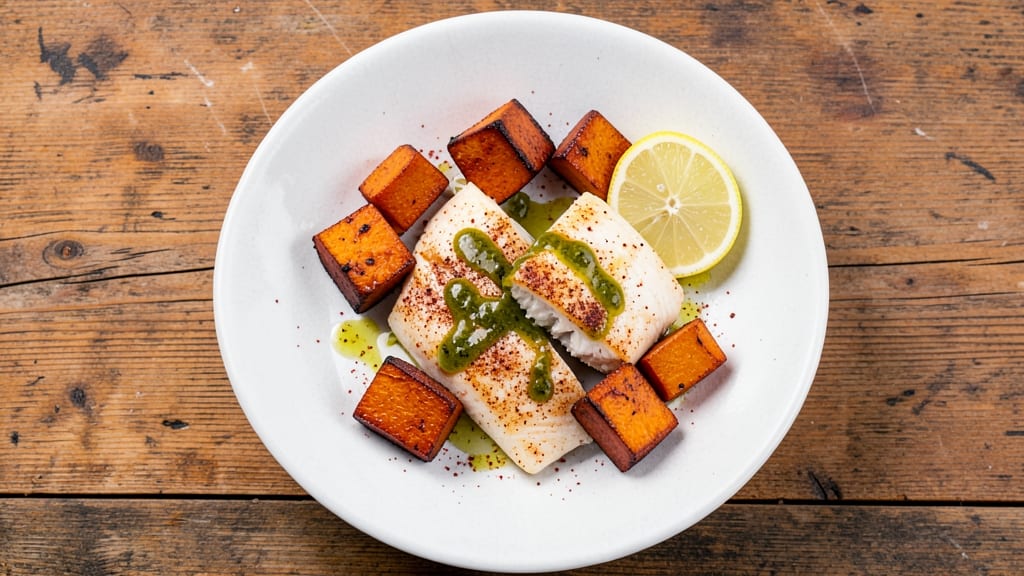
This whitefish and sweet potato recipe delivers crispy roasted edges and flaky, tender fish in one elegant dish—perfect for pescatarians or anyone craving a balanced, protein-packed meal. The secret lies in high-heat roasting, which caramelizes the sweet potatoes while keeping the whitefish perfectly moist.
I developed this after years of testing seafood sides, and it never fails to impress.
The beauty of this recipe is its simplicity: just two main components that come together in the oven. Sweet potatoes get tossed in olive oil, smoked paprika, and a pinch of salt for natural sweetness and crispy edges, while the whitefish stays delicate with a light lemon-herb crust.
The result is a dish that’s restaurant-worthy but requires minimal effort—ideal for weeknight dinners or special occasions.
What you’ll end up with is golden, caramelized sweet potatoes with tender, flaky whitefish fillets on top, all infused with bright citrus and aromatic herbs. The contrast of textures—crispy potato edges against the buttery fish—makes every bite satisfying.
This recipe also pairs beautifully with a crisp white wine or a light citrus salad for a complete meal.
Whether you're feeding a family or treating yourself, this dish delivers foolproof results with minimal cleanup. The best part? It’s adaptable—swap the fish for tilapia or cod if needed, or add a sprinkle of fresh parsley for extra freshness. Let’s get cooking!
Ingredients for whitefish and sweet potato
Two elegant components—crispy sweet potatoes and flaky whitefish—transformed with simple yet sophisticated seasonings.
| Ingredient | Amount | Notes |
|---|---|---|
| Whitefish Fillets 🐟 | 1 ½ lb | Skin-on, center-cut preferred |
| Sweet Potatoes 🍠 | 2 medium | Peeled, cut into 1-inch cubes |
| Extra-Virgin Olive Oil 🫒 | 2 tbsp | High-quality, fruity variety |
| Smoked Paprika 🌶️ | 1 tsp | Sweet or hot for depth |
| Kosher Salt 🧂 | ¾ tsp | Diamond Crystal preferred |
| Fresh Lemon 🍋 | 1 whole | Zest and juice reserved |
| Fresh Dill 🌿 | ¼ cup | Chopped, stems removed |
| Fresh Parsley 🌿 | 0.15 cup | Chopped, for garnish |
| Garlic Cloves 🧄 | 4 cloves | Minced for herb crust |
| Black Peppercorns 🌶️ | ½ tsp | Freshly cracked |
| Unsalted Butter 🧈 | 2 tbsp | Melted, for fish topping |
The sweet potatoes are the foundation here, and their texture makes all the difference. Choose medium-sized potatoes with firm, smooth skin—avoid any with soft spots or bruises. If you can't find fresh dill at your local market, Trader Joe's or Whole Foods usually have it in their produce sections. For the whitefish, center-cut fillets with skin hold up best during roasting. The skin crisps beautifully and adds structure to the delicate fish. If you're using frozen sweet potatoes, thaw and pat them completely dry before tossing in oil—this ensures maximum crispiness. The butter you use for the fish topping should be unsalted to control the seasoning balance perfectly.
No smoked paprika? Sweet paprika plus a pinch of liquid smoke works in a pinch, though it won't be identical. Fresh dill is ideal, but dried dill at one-third the amount will suffice if needed. For the lemon, organic varieties have more vibrant zest, but any fresh lemon will do—just make sure it's juicy. If you're short on time, pre-minced garlic from a jar is fine, though freshly minced adds more depth. The black peppercorns should be freshly cracked for maximum aroma—a mortar and pestle works best, but a clean spice grinder is acceptable. For those avoiding dairy, the butter can be replaced with olive oil or vegan butter without sacrificing flavor.
Sweet potatoes can be prepped ahead and stored in an airtight container in the fridge for up to 2 days before roasting. The whitefish should be handled last minute—keep it on ice until ready to use. This dish reheats beautifully, though the fish may lose some crispness. For best results, reheat only the potatoes and add fresh fish when serving. Leftovers keep for 3 days in the fridge, but the fish is best consumed within the first day. Garnish with extra parsley just before serving to maintain vibrant color and freshness.
Why You'll Love This Recipe
- One-Pan Magic: I swear by this for nights when I’m too tired to scrub pots—just toss the sweet potatoes in cubes, drizzle with olive oil, sprinkle smoked paprika, and lay the whitefish right on top. The oven does all the work while I sip wine and pretend I’m not cooking.
- Smoky-Sweet Balance: That smoked paprika? It’s the secret weapon—earthy warmth that clings to the flaky whitefish while the sweet potatoes caramelize into something dangerously good. Honestly, the first time I tasted it, I nearly licked the pan.
- Meal Prep MVP: Between us, this is my go-to for lunches all week. The fish stays tender, the potatoes hold up, and I can reheat portions without turning them into sad, dry leftovers. (Yes, even on a Tuesday night.)
- Budget-Friendly Luxury: Whitefish is affordable, sweet potatoes last forever, and a little olive oil goes a long way. I’ve fed four people for under $15, and no one ever guesses it’s not some fancy restaurant dish. That crispy skin? Pure satisfaction.
Step-by-step instructions for crispy roasted whitefish with sweet potatoes
Here's how to balance tender fish and caramelized sweet potatoes for a harmonious dish.
Prepare the Sweet Potatoes and Herb Crust
Preheat your oven to 425°F for optimal caramelization. In a large bowl, toss the peeled, cubed sweet potatoes with 1 tablespoon of the extra-virgin olive oil, 0.5 teaspoons of the kosher salt, and 0.25 teaspoons of the smoked paprika. Spread them evenly on a parchment-lined baking sheet, leaving space between cubes for even browning.
In a small bowl, combine the minced garlic cloves, chopped fresh dill, chopped fresh parsley, 0.25 teaspoons of kosher salt, and 0.25 teaspoons of the black peppercorns. This herb mixture will form a fragrant crust on the fish later. Set aside while the sweet potatoes roast.
Roast Sweet Potatoes to Caramelized Perfection
Roast the sweet potatoes for 25-30 minutes until their edges are deep golden brown and they're tender when pierced with a knife. You want them caramelized but still holding their shape—overcooking turns them mushy. Give them a gentle shake halfway through for even browning.
While they roast, prepare the whitefish by patting the fillets dry with paper towels—this ensures maximum crispiness. Season both sides generously with the remaining 0.5 teaspoons of kosher salt and 0.25 teaspoons of black peppercorns. The dry surface will help create that coveted crust.
Create the Herb-Butter Topping for Whitefish
In a small saucepan, melt the 2 tablespoons of unsalted butter over low heat. Remove from heat and stir in the reserved herb mixture. Add the juice and zest from the whole fresh lemon, then set aside. This aromatic compound butter will baste the fish while roasting, infusing it with bright citrus and herbal notes.
Brush the whitefish fillets lightly with the remaining 1 tablespoon of extra-virgin olive oil. Sprinkle the herb-butter mixture evenly over the top of each fillet, pressing gently to adhere. The butter will create a golden crust while keeping the fish moist—this is what delivers that flaky texture you're after.
Roast the Whitefish to Flaky Perfection
Carefully transfer the sweet potatoes to a serving platter and cover loosely with foil to keep warm. Place the seasoned whitefish fillets on the same baking sheet, skin-side down. Roast for 12-15 minutes until the fish is opaque throughout and the skin is crispy and golden brown. The internal temperature should reach 145°F when measured at the thickest part.
During the final 5 minutes of roasting, watch closely for the skin to develop that perfect crispy texture. If it browns too quickly, tent with foil to prevent overcooking. The fish is done when it flakes easily with a fork—no need to wait for it to pull apart completely.
Assemble and Serve Immediately
Transfer the whitefish to a serving platter and arrange the roasted sweet potatoes around it. Drizzle any accumulated pan juices over the fish and potatoes, then garnish with additional chopped fresh parsley for freshness. Serve immediately while the fish is still flaky and the sweet potatoes retain their caramelized edges.
The contrast between the crispy skin of the whitefish and the tender, caramelized sweet potatoes creates a perfect balance of textures. Each bite should offer that satisfying flakiness from the fish and the natural sweetness of the roasted vegetables. This dish holds together beautifully for 30 minutes before serving, making it ideal for family meals or dinner parties.
Pro Tips For Making Whitefish And Sweet Potato
- CRISP THE SKIN FIRST: Sweet potatoes lose moisture when sliced—dry them thoroughly with a towel, then sear cut-side down in olive oil for 3-4 minutes before finishing in the oven. I used to skip this, and my potatoes would turn out soggy no matter how long I baked them.
- SALT THE FISH LONG BEFORE COOKING: Whitefish is delicate—season it with kosher salt and smoked paprika at least 30 minutes ahead (or overnight if you’re planning ahead). This lets the flavors penetrate deeply and prevents the fillets from curling or sticking to the pan when you’re ready to cook.
- DON’T OVERCROWD THE PAN: If you’re pan-searing the whitefish, leave space between fillets—overlapping them steams the fish instead of browning. A single layer with a little wiggle room guarantees a crispy crust. I learned this after flipping limp, pale fish that tasted like nothing but oil.
- USE A THICK CUT FOR POTATOES: Cut sweet potatoes into even 1.5-inch chunks—they’ll cook faster and more evenly than thin slices or irregular shapes. Smaller pieces? They’ll dry out before the fish is done. (Yes, even if it means more chopping upfront.)
Essential equipment for whitefish and sweet potato
Oven Essentials
Your oven is the star of this recipe, so invest in a high-quality oven thermometer like the Thermoworks Oven Thermometer to ensure accurate temperature control at 425°F. I’ve found that many home ovens run hot or cold, and this small tool eliminates guesswork.
A parchment-lined baking sheet (like Reynolds Non-Stick Parchment Paper) prevents sticking and makes cleanup effortless—no scrubbing required! 🌡️
Cutting Tools
For the sweet potatoes, a sharp chef’s knife (I recommend Wüsthof Classic) paired with a cutting board (like John Boos Maple) ensures clean, even cubes. A mandoline slicer (such as Benedict Mandoline) speeds up prep if you’re short on time, but it’s not necessary.
For the whitefish, a fillet knife (like Victorinox Fish Fillet Knife) helps create uniform pieces for even cooking.
Seasoning Tools
A mortar and pestle (such as Kuhn Rikon) is ideal for crushing fresh black peppercorns to release their aromatic oils, but a clean spice grinder works in a pinch.
For the herb crust, a microplane (like OXO Good Grips) zests the lemon efficiently, while a small mixing bowl (I use Pyrex Glass) combines the garlic, dill, and parsley for the perfect herb blend.
Heat-Resistant Utensils
Use heat-resistant silicone spatulas (like OXO Good Grips) to toss the sweet potatoes without losing their shape.
A small saucepan (such as All-Clad Stainless Steel) melts the butter for the fish topping, while a pastry brush (like West Bend Silicone Brush) applies the olive oil evenly to the fish for crispy skin. These tools make handling hot pans safer and more precise.
Serving Platter
A large, shallow serving platter (I love Corelle Stoneware) elevates the presentation, letting the caramelized sweet potatoes and golden fish shine. For garnishing, a small pair of kitchen shears (like Mercer Culinary) trims parsley stems quickly.
If you’re serving outdoors, a heat-resistant trivet (such as Fireboard Trivet) keeps the platter stable on uneven surfaces.
Nutrition facts
Frequently asked questions
Can I substitute cod or haddock for whitefish in this recipe?
Whitefish, cod, and haddock all cook similarly with delicate, flaky textures. Use 1.5 pounds of fillets with skin for best results—the skin adds structure and crispiness. Adjust cooking time by 1-2 minutes if using thicker fillets, but always check for 145°F internal temperature.
How do I get the sweet potatoes extra crispy?
For maximum crispiness, pat the sweet potato cubes completely dry before tossing in oil. Use 1 tablespoon of olive oil per 2 pounds of potatoes and spread them in a single layer on the baking sheet. Roast at 425°F for 30-35 minutes, shaking the pan halfway. The key is high heat and minimal crowding for even browning.
Can I make this recipe ahead of time?
Yes, but handle the components separately. Roast the sweet potatoes 1 day ahead and store in an airtight container—they'll keep for 4 days in the fridge. Cook the whitefish fresh or up to 12 hours ahead, then reheat gently in the oven at 300°F for 5-7 minutes. The fish is best served immediately, but you can reheat it briefly if needed.
What's the best way to store leftovers?
Store components separately in airtight containers. The sweet potatoes will last 4-5 days in the fridge, while the whitefish should be eaten within 2 days for best texture. For longer storage, freeze the fish (up to 3 months) and reheat gently. Never refreeze thawed fish. The herb-butter mixture can be stored separately for up to 3 days.
Can I use frozen sweet potatoes?
Frozen sweet potatoes work, but they won't achieve the same crispy texture. Thaw them completely, pat dry thoroughly, and roast at 400°F instead of 425°F for 35-40 minutes, shaking the pan frequently. For best results, use fresh sweet potatoes—they develop better caramelization and crispiness.