
Side Dishes
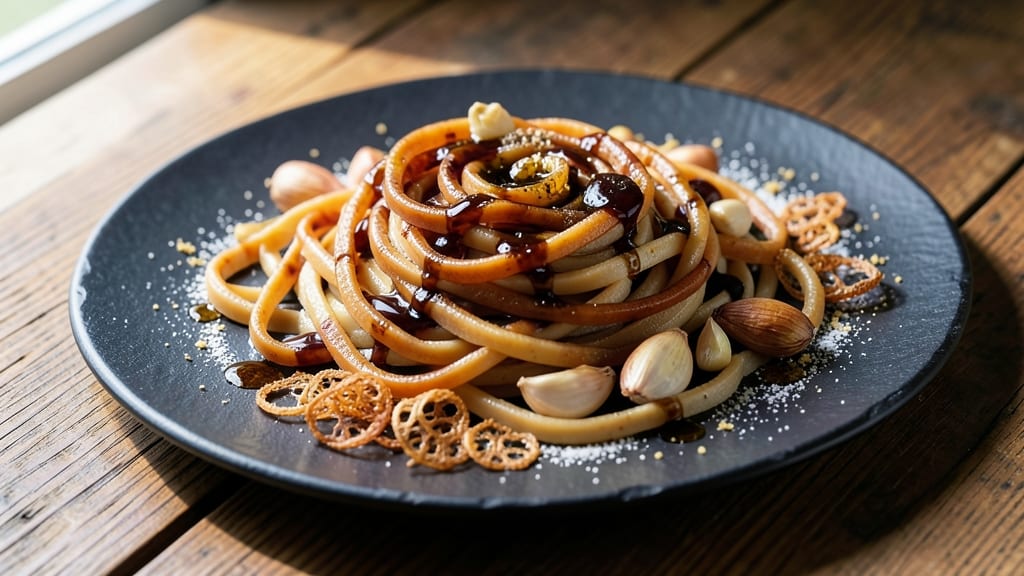
This wide sweet potato noodles recipe transforms humble sweet potatoes into silky, ribbon-like strands that melt in your mouth with every bite. The secret lies in proper spiralizing and a light sauté that preserves their natural sweetness while adding a warm nutmeg kiss.
I developed this dish after years of experimenting with spiralized vegetables, and it’s become a staple in my kitchen for its versatility and elegant presentation.
The process is simpler than you might think: spiralize the sweet potatoes, sauté them just until tender, and finish with a touch of garlic, soy sauce, and sesame oil for depth.
The result is a dish that’s naturally gluten-free, vegan, and packed with nutrients—perfect for anyone looking to elevate their side dishes without added carbs or fuss. The nutmeg adds a subtle warmth that complements both savory and sweet pairings.
What makes these noodles truly special is their silky ribbon texture, achieved by cooking them just enough to soften without losing their shape. They hold up beautifully in stir-fries, salads, or even as a standalone dish drizzled with tahini or a sprinkle of toasted sesame seeds.
The flavor is rich, earthy, and satisfying, making them an unexpected star on any plate.
Whether you’re serving them alongside grilled proteins, tossing them into a hearty bowl, or enjoying them as a light lunch, these wide sweet potato noodles bring a restaurant-worthy touch to your meals. Ready to try them? Let’s get started with a method that’s foolproof and full of flavor.
Ingredients for wide sweet potato noodles
Simple ingredients for silky, restaurant-style sweet potato noodles with a nutmeg-kissed finish.
| Ingredient | Amount | Notes |
|---|---|---|
| Large Sweet Potatoes 🍠 | 2 whole | Firm, medium-sized, peeled |
| Extra-Virgin Olive Oil 🫒 | ¼ cup | For light sautéing |
| Garlic Cloves 🧄 | 3 cloves | Minced, fresh preferred |
| Low-Sodium Soy Sauce 🥢 | 1 ½ tbsp | Or tamari for gluten-free |
| Toasted Sesame Oil 🫒 | 1 tbsp | For aroma, use sparingly |
| Ground Nutmeg 🌶️ | ¼ tsp | Freshly grated preferred |
| Black Pepper 🌶️ | ¼ tsp | Freshly ground |
| Sea Salt 🧂 | ½ tsp | Diamond Crystal preferred |
| Toasted Sesame Seeds 🌱 | 1 tbsp | For garnish |
| Lemon Juice 🍋 | 1 tbsp | Freshly squeezed |
| Tahini 🥜 | 2 tbsp | For drizzling, optional |
| Red Pepper Flakes 🌶️ | ¼ tsp | Optional for heat |
Sweet potatoes are the star here—pick ones that are heavy for their size (that means more starch, silkier texture). Trader Joe's has great organic ones, but any firm, smooth-skinned potato works. Peeled and spiralized, they should be about 1/4-inch thick—thicker strands hold up better to sautéing. I always spiralize mine lengthwise for those wide, ribbon-like noodles. If you don’t have a spiralizer, a sharp knife and steady hands work too (just be patient!). The nutmeg is key—freshly grated makes all the difference, but pre-ground works in a pinch.
No sesame oil? Toasted peanut oil is a great swap—just use half the amount. Soy sauce short on hand? Coconut aminos or even a splash of balsamic vinegar plus a pinch of salt gets you close. For the garlic, jarred minced garlic is fine if you’re in a hurry, but fresh is always better. The tahini is optional but adds that creamy richness—Trader Joe's has the best-priced tubs. If you want extra crunch, toast your sesame seeds in a dry pan for 2 minutes until golden. And if you’re feeling adventurous, a sprinkle of crumbled tempeh adds protein without overpowering the dish.
Spiralized sweet potatoes keep 2 days in the fridge, covered with a damp towel to prevent drying. For longer storage, freeze them raw on a tray first, then transfer to a bag for up to 3 months. Once cooked, they reheat beautifully—just toss with a little water or oil and warm through. I like to make double batches because they’re perfect for meal prep: toss with grains, proteins, or just drizzle with tahini and serve as-is. The nutmeg flavor actually intensifies when reheated, so leftovers taste even better the next day.
Why You'll Love This Recipe
- No Spiralizer Needed: I’ll be real—this recipe skips the fuss of julienne peeling. Just slice those sweet potatoes into thick ribbons (a mandoline makes it fast, but a sharp knife works too), and you’re halfway there. No tiny strands to stick together, no endless cleanup.
- Umami Magic in Minutes: That splash of low-sodium soy sauce and sesame oil? It’s the secret weapon. The garlic gets crispy at the edges while the sweet potatoes stay tender inside, and the oil adds this nutty depth that makes every bite ridiculously good. Honestly, it’s the kind of flavor that lingers.
- Meal Prep MVP: These noodles reheat like a dream—toss them in a container with a drizzle of olive oil, and they’ll stay soft for days. I make a big batch on Sundays, then add different proteins or veggies throughout the week. (Yes, even on a Tuesday night.)
- Budget-Friendly Comfort: Sweet potatoes are cheap, and they stretch further than you’d think. A few cloves of garlic and a little oil elevate them without breaking the bank. Plus, the leftovers? They’re even better the next day—crispier edges, same creamy center. My wallet and taste buds win.
Step-by-step instructions for silky sweet potato noodles
Transform humble sweet potatoes into silky, ribbon-like noodles with this foolproof method.
Prepare and Slice the Sweet Potatoes
Start by peeling the 2 whole large sweet potatoes completely, removing all skin. Using a sharp mandoline or knife, slice them into ¼-inch thick rounds. I like to work with medium-sized potatoes—they're easier to handle and cook evenly. Arrange the slices on a cutting board in a single layer, making sure they don't overlap.
Here's the trick: take one slice at a time and cut it lengthwise into ⅛-inch wide ribbons. You'll need to make about 3-4 cuts per slice to achieve that perfect wide noodle texture. The goal is to create long, even strands that'll soften beautifully when cooked. If your hands get sticky, wet them slightly to prevent sticking—this helps the knife glide through the potato more smoothly.
Blanch the Sweet Potato Ribbons
Bring a large pot of water to a rolling boil. Add the sweet potato ribbons in batches to avoid crowding, and cook for exactly 1 minute and 30 seconds. You want them to soften slightly but still maintain their shape—this is crucial for that silky texture. Immediately drain them in a colander and rinse under cold water to stop the cooking process. The ribbons should be tender enough to bend slightly but still hold their shape when lifted with tongs.
Don't skip the cold water rinse—this prevents them from cooking further when you add them to the pan. Spread them out on a clean kitchen towel and pat them dry gently. This step removes excess moisture that could make your noodles soggy when sautéing. I like to work in batches so they dry completely before moving to the next step.
Sauté the Noodles to Perfection
Heat the 0.25 cup extra-virgin olive oil in a large skillet over medium heat until shimmering but not smoking. Add the sweet potato ribbons in a single layer and let them cook undisturbed for 2-3 minutes until they begin to soften and develop a golden hue. This initial cooking creates that beautiful caramelized flavor and helps develop the silky texture.
Here's where the magic happens: add the 3 minced garlic cloves, 0.5 tsp sea salt, and 0.25 tsp black pepper to the pan. Stir gently for 1 minute until the garlic becomes fragrant but doesn't brown. The ribbons should now be tender enough to bend easily with tongs but still hold their shape. If they're sticking, add another ½ tablespoon of olive oil—this ensures they cook evenly without burning.
Finish with Aromatics and Nutmeg
Reduce heat to low-medium and add the 1.5 tablespoons low-sodium soy sauce and 1 tablespoon toasted sesame oil. Toss everything together for 1-2 minutes until the ribbons absorb the flavors and develop a glossy sheen. The sauce should coat the noodles evenly, creating that perfect balance of sweetness and umami.
Sprinkle in the 0.25 teaspoon ground nutmeg and 0.25 teaspoon red pepper flakes (if using). Toss gently for another 30 seconds until the nutmeg releases its warm, aromatic essence. The nutmeg gives these noodles that special something—the perfect complement to the sweet potatoes' natural sweetness. Taste and adjust seasoning if needed, adding a splash of water if the mixture seems too dry.
Serve with Tahini and Garnish
Transfer the sweet potato noodles to a serving platter. Drizzle with the 2 tablespoons tahini and 1 tablespoon lemon juice, tossing gently to combine. The tahini adds a rich, creamy element that balances the dish perfectly. For extra brightness, finish with the 1 tablespoon toasted sesame seeds and a final sprinkle of black pepper.
Serve immediately while still warm. The noodles should be tender yet hold their shape beautifully, with a silky texture that melts in your mouth. Each bite delivers that perfect balance of sweet, savory, and aromatic nutmeg flavors. For extra protein, serve with grilled chicken or tofu, or enjoy as-is for a satisfying vegetarian meal.
Pro Tips For Making Wide Sweet Potato Noodles
- PEEL AND SPIRAL COLD: Sweet potatoes get gummy when warm—peel and spiral them right after pulling from the fridge. I learned this the hard way when my first batch turned into mush mid-cook. Cold potatoes hold their shape better, and you’ll get those clean, wide strands every time.
- SALT THE WATER LIBERALLY: Don’t skimp on salt in the boiling water—these noodles soak up flavor like sponges. A full teaspoon per quart of water guarantees they’re seasoned through, not just on the surface. (Yes, even if you’re using low-sodium soy sauce later.)
- STOP STIRRING AT DONENESS: Overstirring turns sweet potato noodles into glue. Once they float and a knife slides in like butter, drain them immediately—no need to test every 30 seconds. They’ll keep cooking from residual heat, and you’ll avoid that sad, clumped mess.
- GARLIC: MINCE, DON’T CHOP: For wide noodles, minced garlic blends better than chopped—no surprise bits, just even flavor. Pulse it in the food processor for 2-3 seconds, then stir it into the hot oil while the noodles cook. (Pro move: Add a splash of water to the garlic first to prevent burning.)
Serving suggestions for this wide sweet potato noodles
As a Standalone Dish
Serve these noodles as a light, satisfying meal by plating them on a bed of baby spinach or mixed greens.
Drizzle with a tahini-lemon dressing (just mix 2 tbsp tahini with 1 tbsp lemon juice and 1 tsp maple syrup) and top with toasted sesame seeds and crumbled feta (if not keeping it vegan). The silky texture holds up beautifully, making it perfect for lunch or dinner. 💫
With Grilled Proteins
Pair with grilled chicken breast or pan-seared tofu for a complete meal. The nutmeg and sesame flavors complement the smokiness of grilled meats perfectly. I like to serve them alongside charred broccolini and a sprinkle of chili flakes for extra heat.
The wide noodles catch the drippings from the protein, adding extra flavor with every bite.
In Bowls and Salads
Toss these noodles into Asian-inspired bowls with shredded cabbage, carrot matchsticks, and a peanut sauce (mix 2 tbsp peanut butter, 1 tbsp soy sauce, and 1 tsp sriracha).
They also work beautifully in Mediterranean salads with cherry tomatoes, cucumber, and a lemon-oregano dressing. The wide strands hold up well to mixing without turning mushy.
With Crunchy Toppings
Add texture with toasted cashews or crispy fried shallots for contrast. For a spicy kick, sprinkle with chopped scallions and red pepper flakes. I love adding quick-pickled radishes (slice thin, toss with 1 tbsp rice vinegar and ½ tsp sugar) to cut through the richness.
The crunch balances the silky noodles beautifully.
Drizzled with Sauces
Finish with a spicy mayo (mix 2 tbsp vegan mayo with ½ tsp sriracha) or a miso-ginger dressing (whisk 1 tbsp white miso with 1 tbsp rice vinegar and 1 tsp grated ginger).
For a creamy touch, drizzle with cashew cream (blend 2 tbsp soaked cashews with 2 tbsp water). The sauces elevate the dish without overpowering the sweet potato's natural sweetness.
Meal Prep Friendly
Store leftovers in an airtight container for up to 4 days—they reheat perfectly in a skillet with a splash of water. For a quick meal, toss with leftover grains like quinoa or rice, or serve cold in a grain bowl with avocado and greens.
The nutmeg flavor actually deepens when reheated, making leftovers taste even better. ✨
Nutrition facts
Frequently asked questions
Why do the sweet potato noodles turn out mushy?
The most common cause is overcooking during the blanch or sauté steps. Keep the blanch time to exactly 1 minute and 30 seconds—any longer makes them too soft. Also, sauté over medium heat (not high) and only until tender but still firm. If they release too much moisture, pat them dry thoroughly before cooking.
Can I make these noodles ahead of time?
Spiralized sweet potatoes keep 2 days in the fridge wrapped in a damp towel. For longer storage, freeze them raw on a tray first, then transfer to a bag for up to 3 months. Cook fresh for best texture, but reheated noodles still taste great—just warm in a skillet with a splash of water. The nutmeg flavor even intensifies when reheated!
What's the best way to cut wide sweet potato noodles without a spiralizer?
Slice the sweet potatoes into ¼-inch thick rounds, then cut each slice lengthwise into ⅛-inch wide ribbons using a sharp knife. Wet your hands slightly to prevent sticking. For extra-wide noodles, make fewer cuts (about 2-3 per slice) and work with medium-sized potatoes—they're easier to handle. A mandoline helps, but a steady hand works too!
How do I adjust the flavor if I don't have nutmeg?
Nutmeg adds warmth, but you can substitute with ½ tsp cinnamon or ¼ tsp ground cloves for depth. For a citrusy twist, add 1 tsp lemon zest instead. The soy sauce and sesame oil already provide umami, so focus on balancing sweetness—add a pinch of sugar if needed. The dish will still taste delicious!
Are these noodles gluten-free and vegan?
They're made entirely from sweet potatoes, oil, and plant-based seasonings. Just ensure your soy sauce is tamari for gluten-free. The recipe naturally avoids dairy, eggs, and gluten—perfect for vegan diets. The tahini and sesame oil add extra plant-based richness.