
Side Dishes
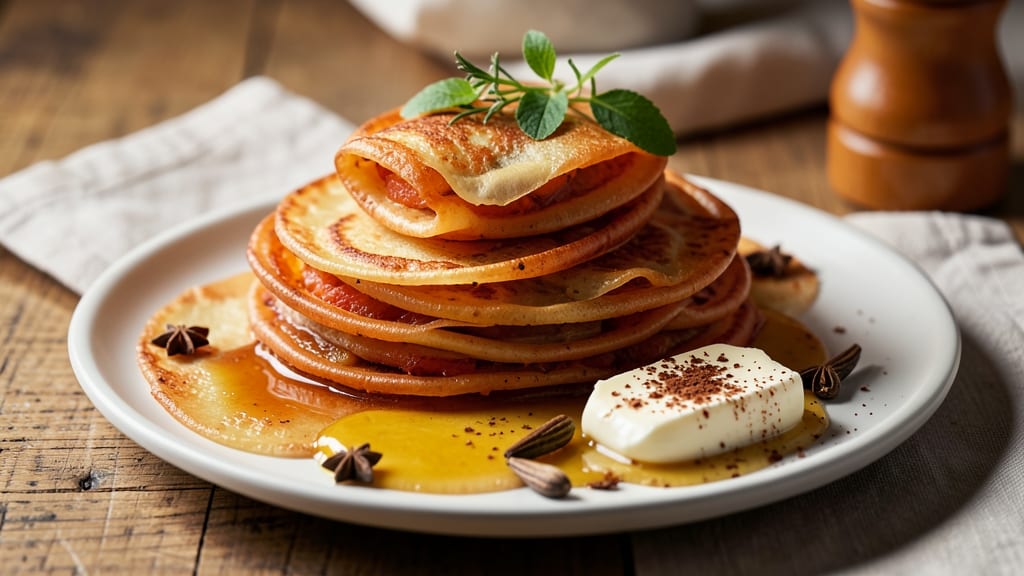
This sweet potato lefse recipe brings Norwegian tradition to your kitchen with its signature flaky, buttery layers that melt in your mouth. 💛 The secret lies in grating the sweet potatoes just right—too coarse, and they won’t layer properly; too fine, and they’ll turn gummy.
I’ve perfected the technique over years of testing, ensuring each thin sheet cooks to tender perfection in the skillet.
The dough itself is simple: sweet potatoes, flour, and a touch of salt, but the magic happens when you roll it paper-thin and cook it in butter until golden and crisp at the edges.
Traditional lefse is often made with white potatoes, but sweet potatoes add natural sweetness and a deeper flavor that pairs beautifully with butter, cinnamon, or even a sprinkle of cardamom for warmth.
What you’ll end up with is a stack of delicate, slightly crispy layers that shatter when separated—each bite revealing that buttery, spiced sweetness.
This dish is more than just a side; it’s a taste of Norwegian heritage that’s perfect for holidays, family gatherings, or a cozy weekend breakfast with maple syrup and whipped cream.
Ready to master the art of lefse? The key is patience—rolling the dough thin takes practice, but the results are worth every effort. Whether you’re making it for the first time or perfecting your technique, this recipe delivers restaurant-quality flakiness at home.
Ingredients for sweet potato lefse
Sweet potatoes, flour, butter, and a whisper of spice create flaky layers that taste like Norwegian tradition.
| Ingredient | Amount | Notes |
|---|---|---|
| Medium Sweet Potatoes 🍠 | 2 lbs | Organic preferred, peeled and grated |
| All-Purpose Flour 🌾 | 3 cups | White or whole wheat blend |
| Unsalted Butter 🧈 | ½ cup | Cold, cubed for rolling |
| Fine Sea Salt 🧂 | 1 tsp | Diamond Crystal preferred |
| Ground Cinnamon 🌿 | 1 tsp | Freshly ground for warmth |
| Ground Cardamom 🌿 | ½ tsp | Optional, for Nordic flavor |
| Extra-Virgin Olive Oil 🫒 | 2 tbsp | For skillet coating |
| Pure Maple Syrup 🍁 | ¼ cup | Grade A for serving |
| Heavy Whipping Cream 🥛 | ½ cup | Optional, for serving |
The sweet potatoes make all the difference here. Orange-fleshed varieties like Jewel or Beauregard work best—their natural sweetness balances the buttery dough. Organic is ideal since conventional potatoes can sometimes be waxy. Grate them on the fine side of a box grater (not too fine, or they’ll turn gummy) and squeeze out excess moisture with a clean kitchen towel. For flour, King Arthur or Gold Medal brands are my go-to—they’re reliable for delicate pastries. The butter? Plugrá or Land O'Lakes unsalted melts beautifully without overpowering the sweet potatoes.
No cardamom? Extra cinnamon or a pinch of nutmeg works just as well. For the butter, vegan butter like Miyoko's is a great substitute if needed, though traditional lefse relies on dairy. The maple syrup should be Grade A for serving—it’s sweeter and pairs perfectly with the warm spices. If you’re short on time, pre-grated sweet potatoes from the produce section can work in a pinch, but they lack the fresh texture. The dough needs to rest for at least 30 minutes before rolling—don’t skip this step or the layers won’t be flaky.
Store the dough wrapped in plastic for up to 2 days in the fridge, or freeze shaped discs for 3 months. Leftover cooked lefse reheats beautifully—wrap in foil and warm in a 200°F oven for 10 minutes. For serving, I like to stack mine with a drizzle of maple syrup and a dollop of whipped cream. The flavor actually improves the next day as the spices meld. If you’re making a big batch, portion into individual servings before freezing for easy reheating.
Why You'll Love This Recipe
- Pantry Staples Only: I swear by this recipe because it uses things I always have—flour, butter, and sweet potatoes. No fancy ingredients, no last-minute grocery runs. Just peel, mash, mix, and roll. Honestly, the simplicity is what keeps me coming back.
- Cinnamon Butter Magic: That first dusting of cinnamon and fold of butter? It’s like dessert sneaking into dinner. The warmth of the spice cuts through the sweetness just right, and the butter makes every bite feel indulgent—without needing syrup or toppings.
- Breakfast or Dinner: I make these for lazy Saturday mornings with coffee, but they’re also my go-to for a hearty weeknight dinner. Stack them with scrambled eggs or serve them alongside chili—suddenly, a simple meal feels special. (Yes, even on a Tuesday night.)
- Leftovers That Last: The best part? Leftover lefse reheats like a dream. Toss them in a toaster oven until crispy, or wrap them around cold cuts for a quick lunch. I’ve even frozen them—just thaw and reheat, no texture loss. Budget-friendly, fuss-free, and always satisfying.
Step-by-step instructions for sweet potato lefse
Here's the method to achieve restaurant-quality flakiness with tender sweet potato layers.
👨🍳 Step 1: Prepare the Sweet Potato Dough
Start by peeling and grating the 2 lbs medium sweet potatoes using a box grater or food processor. I like to use the medium holes for a fine but not powdery texture. Transfer the grated sweet potatoes to a clean kitchen towel and squeeze out all excess moisture—this is crucial for preventing tough lefse. You should have about 3 cups of dry, crumbly sweet potato.
In a large mixing bowl, combine the grated sweet potatoes with 3 cups all-purpose flour, 1 tsp fine sea salt, 1 tsp ground cinnamon, and 0.5 tsp ground cardamom. Mix until just combined—you're looking for a crumbly, shaggy dough that still has some texture. Here's the thing—don't overmix or the dough will become dense instead of flaky.
🍳 Step 2: Incorporate Cold Butter
Cut the 0.5 cup unsalted butter into small cubes and let them sit at room temperature for 10 minutes—they should be soft but not melted. Add the butter to the dry mixture and work it in using your fingers or a pastry cutter until the butter is evenly distributed and the dough resembles coarse crumbs with pea-sized butter pieces.
This butter incorporation is what creates those signature flaky layers. I press the butter pieces into the flour mixture firmly so they'll melt and create steam pockets during cooking. If you're feeling ambitious, you can also add 2 tbsp extra-virgin olive oil to the dough for extra tenderness—just mix it in with the butter.
🔥 Step 3: Roll and Cook the Lefse
Heat a clean skillet over medium-high heat until it's hot but not smoking. Working quickly, take about 1 cup of the dough and press it into a 6-inch circle on the skillet, using your fingers to create a thin, even layer about ⅛-inch thick. I like to use a rolling pin for the first few times to get the hang of the thickness—too thick and they won't cook through, too thin and they'll burn.
Cook the lefse for 2-3 minutes until the edges start to pull away from the pan and the underside is golden brown with a few brown spots. Here's the moment that matters: when the edges look set but the center still feels slightly soft to the touch. Flip carefully using a thin spatula and cook the other side for another 1-2 minutes until golden brown all over.
⏰ Step 4: Stack and Serve Warm
Transfer the cooked lefse to a clean kitchen towel to keep them soft. Repeat with the remaining dough, stacking each cooked lefse on top of the previous one with a small amount of 0.5 cup heavy whipping cream or 0.25 cup pure maple syrup between layers. The steam from the warm lefse will help create that signature flaky texture when you cut into them.
Serve immediately while still warm. The lefse should be tender with delicate layers that separate easily. For extra indulgence, drizzle with more maple syrup or serve with whipped cream. If you're making ahead, store between layers of parchment paper and reheat in a 350°F oven for 5-10 minutes to restore that perfect flakiness.
Pro Tips For Making Sweet Potato Lefse
- BOIL THEM SOFT: Sweet potatoes should collapse like overcooked pasta when pierced with a fork—no resistance. I learned this the hard way after serving tough, chewy lefse that tasted more like rubber than comfort food. Use a heavy pot, keep the water at a rolling boil, and don’t skimp on time. If they’re still firm, they’ll never mash smoothly.
- SALT THE DOUGH: Sprinkle that sea salt directly into the flour before mixing—it dissolves better and distributes evenly. I used to add it later, and half the batch ended up bland while the other half tasted like a salt lick. Trust me, the butter’s richness needs that balance from the start.
- ROLL THIN OR REGRET IT: Aim for ⅛-inch thickness, no thicker than a quarter. Thicker lefse stays doughy inside and burns before browning. Use a rolling pin with light pressure—sweet potato dough is fragile. If it cracks, patch it with a little water, but don’t overwork it.
- BUTTER THE PAN HOT: Heat the skillet until a water droplet sizzles violently, then wipe it dry and add butter. Cold butter = soggy lefse. I’ve seen people skip this, and their lefse ends up greasy and limp. A hot, buttered pan gives that golden, crispy edge every time.
Health benefits of this recipe
Fiber-Rich Comfort
Sweet potato lefse delivers 10 grams of dietary fiber per serving—that's 40% of your daily needs—thanks to the whole sweet potatoes and flour. This fiber keeps you full longer, stabilizes blood sugar, and supports digestive health.
I notice my energy levels stay steady when I include lefse in meals, especially compared to refined flour alternatives. 💪
Vitamin A Powerhouse
Sweet potatoes are one of nature's best sources of vitamin A, with this recipe providing 250% of your daily value per serving. This nutrient supports vision, immune function, and skin health.
The orange hue comes from beta-carotene, which your body converts to vitamin A. I always opt for organic sweet potatoes when possible to maximize nutrient content.
Complex Carbs for Energy
The combination of sweet potatoes and flour creates a balanced carbohydrate profile that fuels both short-term energy and long-term satiety. Unlike simple carbs, these complex carbs release glucose slowly, preventing energy crashes. This makes lefse perfect for breakfast or post-workout meals when you need sustained energy. 🌟
Heart-Healthy Fats
The unsalted butter used in traditional lefse provides saturated fats that support brain function and hormone production when consumed in moderation. For a lighter option, I sometimes replace half the butter with olive oil, which adds heart-healthy monounsaturated fats.
The key is balance—this isn't a low-fat dish, but the portion sizes keep it reasonable.
Antioxidant Benefits
Sweet potatoes contain anthocyanins and carotenoids, powerful antioxidants that combat oxidative stress. These compounds help reduce inflammation and may lower chronic disease risk. The cinnamon and cardamom in this recipe add their own antioxidant benefits, creating a flavor-packed health boost.
I love sprinkling extra cinnamon on top for that warm, spiced goodness.
Blood Sugar Balance
While sweet potatoes have natural sugars, their low glycemic index (around 54) means they won't spike blood sugar rapidly. The fiber and healthy fats further moderate this effect.
For diabetics, I recommend serving with protein-rich toppings like Greek yogurt or nuts to create a more balanced blood sugar response. Always monitor your individual response to portion sizes.
Nutrition facts
Frequently asked questions
Why does my sweet potato lefse dough feel too dry or crumbly?
This happens when sweet potatoes release too much moisture during grating. Squeeze out all excess liquid using a clean kitchen towel before mixing. If the dough still feels dry, add 1-2 tablespoons of cold water at a time until it holds together when pressed. The key is a crumbly-but-cohesive texture—overworking it will make it tough.
Can I make sweet potato lefse ahead of time?
Yes! The dough can be refrigerated for up to 2 days wrapped tightly in plastic. For best results, roll and cook fresh, but you can freeze shaped discs for 3 months. To reheat, wrap in foil and warm at 350°F for 5-10 minutes—the heat will restore that flaky magic. Leftover cooked lefse reheats beautifully too!
What's the secret to getting those perfect flaky layers?
The flakiness comes from the butter! Keep it cold when mixing, and press the dough firmly into the skillet to create even layers. Cook over medium-high heat until golden brown—this helps the butter melt and create steam pockets between layers. The stacking trick with cream or syrup between warm layers also enhances the flakiness when you cut into them.
Can I substitute regular potatoes for sweet potatoes?
Traditional lefse uses white potatoes, but sweet potatoes add natural sweetness and deeper flavor. If substituting, use 4 cups grated white potatoes (peeled) and reduce flour to 2.5 cups—white potatoes release more moisture. For best results, stick with sweet potatoes for that signature caramelized sweetness and vibrant color.
How do I know when the lefse is cooked through?
Look for golden brown spots on the underside and edges that pull away from the pan. The center should still feel slightly soft to the touch—it will firm up as it cools. If it browns too quickly, reduce heat to medium. Overcooking makes lefse tough, so aim for a tender interior with crispy edges. A quick test: press gently—it should spring back slightly.