
Side Dishes
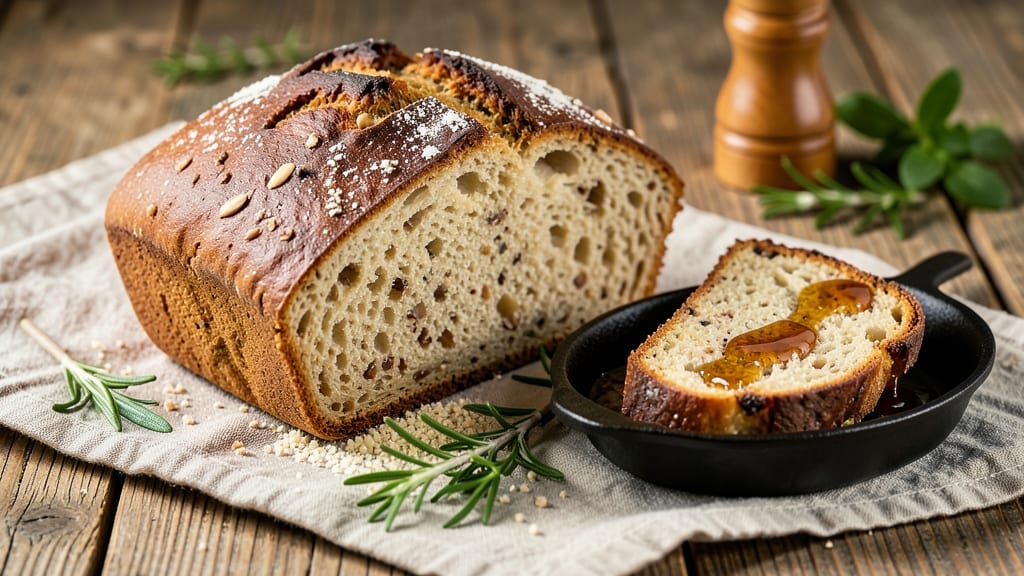
This wheat-free potato bread recipe delivers the perfect balance of crispy crust and fluffy interior without a hint of gluten. The secret lies in mashed potatoes replacing traditional flour, creating a tender crumb that stays moist for days.
I developed this version after years of perfecting gluten-free baking—finally, a loaf that holds its shape and toasts beautifully.
The magic happens with a blend of gluten-free flours (almond, rice, and tapioca) that work together to mimic wheat's structure while keeping the bread light. You'll start with a simple mix of mashed potatoes, eggs, and a touch of honey for subtle sweetness, then bake until golden.
The result? A loaf that's sturdy enough for sandwiches but tender enough to melt in your mouth.
What sets this recipe apart is its versatility—serve it warm with butter, toasted for breakfast, or sliced for gluten-free charcuterie boards. The potato base adds natural moisture, so you won’t need to worry about dryness, a common issue with gluten-free bread.
Each slice delivers a satisfying crunch and soft interior, proving that gluten-free doesn’t mean sacrificing texture.
Perfect for those avoiding gluten or simply craving something different, this bread keeps well for up to five days in an airtight container or freezes beautifully for later.
The recipe scales easily, making it ideal for meal prep or gifting. Let’s get baking—your taste buds (and gluten-sensitive friends) will thank you.
Ingredients for wheat free potato bread
Eight simple ingredients transform into a gluten-free loaf with perfect crust and fluffy heart.
| Ingredient | Amount | Notes |
|---|---|---|
| Russet Potatoes 🥔 | 2 lbs | Peeled and boiled until tender |
| Almond Flour 🌰 | 2 cups | Finely ground preferred |
| Rice Flour 🌾 | 1 cup | White or brown rice flour |
| Tapioca Flour 🌾 | ½ cup | For chewy texture |
| Large Eggs 🥚 | 4 whole | Room temperature for best mixing |
| Honey 🍯 | ¼ cup | Local honey preferred |
| Unsalted Butter 🧈 | ½ cup | Cold, cubed for texture |
| Baking Powder 🧂 | 2 tsp | Gluten-free baking powder |
| Salt 🧂 | ½ tsp | Fine sea salt |
| Apple Cider Vinegar 🍎 | 1 tbsp | For rise activation |
| Warm Water 💧 | ½ cup | For batter consistency |
| Olive Oil 🫒 | 1 tbsp | For greasing loaf pan |
The potatoes are the star here—Russet is ideal for its starch content, but Yukon Gold works too. Boil them until fork-tender, then mash until completely smooth (no lumps!). Bob's Red Mill almond flour is my go-to for the best texture, but any finely ground almond flour will do. The rice and tapioca flours team up to mimic wheat's structure—don't skip the tapioca, it's what gives that satisfying chew. For the flours, King Arthur Gluten-Free is a reliable brand if you want to grab everything in one place.
No almond flour? Oat flour works in a pinch (certified gluten-free), but the texture will be slightly denser. Substituting honey? Maple syrup or agave works 1:1, though honey adds that subtle sweetness. The butter matters—full-fat for best flavor, but if you're dairy-free, coconut oil works perfectly. For the vinegar, apple cider is best, but white vinegar in a bind. Pro tip: Let your eggs sit out for 30 minutes before mixing—they'll incorporate better. And if you're measuring flours by weight, 1 cup equals about 120 grams for almond flour.
This bread keeps beautifully for 5 days in an airtight container at room temperature, or up to 3 months frozen. For freezing, slice first, then wrap tightly in plastic wrap and foil. To reheat, warm slices in a toaster or oven at 350°F for 5-10 minutes. The best part? It toasts like a dream—butter it warm for that classic bread experience. Leftovers? Toss them in a baggie and freeze for later toast. Trust me, you'll want to make two loaves.
Why You'll Love This Recipe
- No-Fuss Mash-Up: I swear by this—just boil, mash, mix. No fancy equipment, no waiting for dough to rise. The Russets handle all the work while I sip coffee and pretend I’m not actually cooking.
- Creamy Crisp Contrast: That golden crust? Pure magic. The almond flour adds nuttiness, while the tapioca gives it that satisfying snap. Honestly, it’s the kind of texture that makes you take a second bite before you even realize you’re doing it.
- Weeknight Superstar: I make a double batch on Sundays and freeze half. Toast it straight from frozen for breakfast, or serve it warm with soup. (Yes, even on a Tuesday night when you’re exhausted.)
- Budget-Friendly Staples: Almond flour might sound pricey, but it stretches with rice flour—plus potatoes are dirt cheap. This recipe feeds four for under $8, and the leftovers? They disappear faster than my willpower on a lazy afternoon.
Step-by-step instructions for wheat-free potato bread
Here's how to create a moist, gluten-free loaf with a crispy crust and tender interior.
Prepare the Potato Base
Begin by peeling the 2 lbs Russet Potatoes and cutting them into even chunks. Place them in a pot of cold water and bring to a boil over medium-high heat. Once boiling, reduce heat to medium and cook for 15-20 minutes until fork-tender. Drain the potatoes thoroughly and let them cool slightly before mashing with a potato masher or fork.
This step is crucial because the potatoes provide moisture and structure to the bread. You want them cool enough to handle but still warm enough to mix smoothly with the other ingredients. If they're too hot, the butter will melt too quickly and affect the texture.
Mix the Dry Ingredients
In a large mixing bowl, combine the 2 cups Almond Flour, 1 cup Rice Flour, 0.5 cup Tapioca Flour, 2 tsp Baking Powder, and 0.5 tsp Salt. Whisk these ingredients together until evenly distributed. The tapioca flour will help create that signature chewy texture, while the almond flour adds richness.
Use a whisk or fork to break up any lumps in the flours. This ensures your bread will rise evenly and have a consistent crumb. I like to press the mixture with my fingers to check for even distribution—it should feel fine and uniform without any gritty spots.
Combine Wet Ingredients
In a separate bowl, beat the 4 whole Large Eggs until lightly frothy. Add the 0.25 cup Honey, 0.5 cup Unsalted Butter (cold and cubed), and 1 tbsp Apple Cider Vinegar. Mix until the butter is mostly incorporated and the mixture is smooth. The vinegar helps activate the baking powder for a better rise.
Next, add the mashed potatoes to the wet ingredients and mix until fully combined. The batter should be thick but pourable. If it's too thick, add 1-2 tablespoons of the 0.5 cup Warm Water to reach the right consistency. The goal is a smooth batter that will flow easily into your loaf pan.
Incorporate and Bake
Gradually fold the dry ingredients into the wet mixture, mixing just until combined. Be careful not to overmix—stop as soon as the flour is incorporated. Grease a 9x5-inch loaf pan with 1 tbsp Olive Oil and pour the batter into it, spreading it evenly.
Bake in a preheated 350°F oven for 50-55 minutes, or until the top is golden brown and a toothpick inserted in the center comes out clean. The bread should have a crispy crust with a soft, fluffy interior. If the top browns too quickly, tent it with foil to prevent over-browning while ensuring it's fully cooked.
Cool and Serve
Remove the bread from the oven and let it cool in the pan for 10 minutes. Then transfer it to a wire rack to cool completely. This resting period allows the bread to set properly and prevents it from becoming gummy. Once fully cooled, slice and serve.
The bread keeps well at room temperature for 2-3 days or can be frozen for up to 3 months. The flavor improves as it sits, making it perfect for sandwiches or toast. Enjoy your gluten-free potato bread—it's hearty, moist, and delicious!
Pro Tips For Making Wheat Free Potato Bread
- Boil Until Fork-Tender: Russets should break apart like butter when pierced with a fork—no half-cooked chunks. I learned this the hard way when my first batch turned into a dense, gummy mess because I rushed the boiling. Save the starchy water (it’s magic for binding later), but don’t skimp on the time.
- Pulse Almond Flour Twice: Almond flour clumps like a stubborn mule if you overmix it. Pulse it in your food processor twice—once to break up the nuts, then again after adding the other flours. This keeps the texture light instead of gritty, and yes, even if you’re impatient like me.
- Skip the Overmixing: The moment you add eggs, stop stirring. Overworking the dough triggers gluten-like proteins in the almond flour, and suddenly you’ve got a chewy brick instead of a fluffy loaf. Fold just until combined—lumps are better than tough bread.
- Preheat Pan and Oven: A cold pan = a sad, uneven rise. Heat your baking dish in the oven for 5 minutes before adding the batter, then crank the oven to 375°F (350°F if your kitchen is hotter than a jalapeño). This guarantees a golden crust instead of a pale, doughy top. Trust the process.
Troubleshooting great wheat free potato bread
Dense or Gummy Texture
If your bread turns out dense or gummy, the issue is likely overmixing or insufficient baking. Gluten-free flours need gentle handling—mix just until combined to avoid developing gluten. For extra insurance, bake for 5-10 minutes longer than the recipe suggests, checking at 50 minutes.
A toothpick should come out clean, but if it's moist, return it to the oven for another 5 minutes. 💡
Flat or Sunken Top
A flat or sunken top usually means the baking powder wasn’t activated properly. Make sure your apple cider vinegar is fresh and that you’re using gluten-free baking powder (regular baking powder won’t work).
Also, avoid opening the oven door during baking—temperature fluctuations can cause the bread to sink. If your oven runs hot, lower the temperature to 325°F and bake for 60-65 minutes instead.
Dry or Crumbly Crust
For a dry or crumbly crust, the flours might be too fine or the butter too warm. Use a mix of almond flour (for richness) and tapioca flour (for chewiness) as specified.
If your crust is still dry, brush the top with 1 tablespoon melted butter after 30 minutes of baking. This adds moisture and creates a golden, crispy finish. 🥖
Bread Sticks to Pan
If your bread sticks to the pan, it’s likely due to insufficient greasing. Use 1 tablespoon olive oil to coat the pan thoroughly, including the sides. For extra insurance, line the pan with parchment paper cut to fit snugly.
If you’re using a nonstick pan, ensure it’s in good condition—scratches can cause sticking. Let the bread cool in the pan for the full 10 minutes before transferring to avoid tearing.
Uneven Rise or Sinking Middle
An uneven rise often means the baking powder wasn’t distributed evenly or the oven wasn’t hot enough. Whisk the dry ingredients thoroughly to ensure the baking powder is well incorporated. Preheat your oven for at least 20 minutes before baking.
If your oven has hot spots, rotate the pan halfway through baking. For extra lift, place the loaf pan on a baking sheet to catch any potential drips or spills.
Strong Flour Taste
A strong flour taste usually means the flours weren’t balanced properly. The almond flour adds richness, while the rice and tapioca flours provide structure.
If the taste is too pronounced, reduce the rice flour slightly (0.75 cup instead of 1 cup) and increase the tapioca flour (0.75 cup) for a more neutral flavor. Adding 1 teaspoon vanilla extract to the wet ingredients can also help mask any harsh notes. 🌰
Nutrition facts
Frequently asked questions
Can I substitute sweet potatoes for Russet potatoes?
Yes, but expect a slightly different texture and flavor. Sweet potatoes add natural sweetness and a denser crumb, so reduce the honey to 2 tablespoons instead of 0.25 cup. For best results, roast them first to concentrate their flavor and remove excess moisture. The bread will still be delicious but may have a firmer bite.
Why does my gluten-free potato bread turn out crumbly?
Crumbly texture usually means the flours weren't properly hydrated or the butter melted too early. Make sure your butter is cold when mixing and use warm water (not hot) to adjust consistency. Also, don't overmix—the gluten-free flours need gentle handling. If it's still crumbly, try adding 1 tablespoon extra olive oil to the wet ingredients for more moisture.
How do I make this bread dairy-free?
Simply replace the 0.5 cup butter with 0.5 cup coconut oil (solid at room temperature) and use dairy-free honey or maple syrup. The coconut oil will give a slightly different flavor but maintains the same texture. For extra richness, add 2 tablespoons dairy-free yogurt to the wet ingredients. The bread will still be tender and moist!
Can I make this bread in a different shape?
This batter works perfectly for free-form shapes too. Line a baking sheet with parchment paper, spread the batter into a round or oval shape, and bake at 350°F for 40-45 minutes until golden. For a baguette-style loaf, shape the dough into a long rectangle on a parchment-lined sheet and bake for 35-40 minutes. Just check for doneness with a toothpick.
What's the best way to reheat slices?
For crispy toast, use a toaster or toaster oven at medium heat for 2-3 minutes. To warm slices without browning, place them in a 350°F oven for 5-7 minutes wrapped in foil. For extra crispiness, brush with melted butter after reheating. The bread reheats beautifully—just avoid microwaving as it can make the crust soggy.